Two Selves
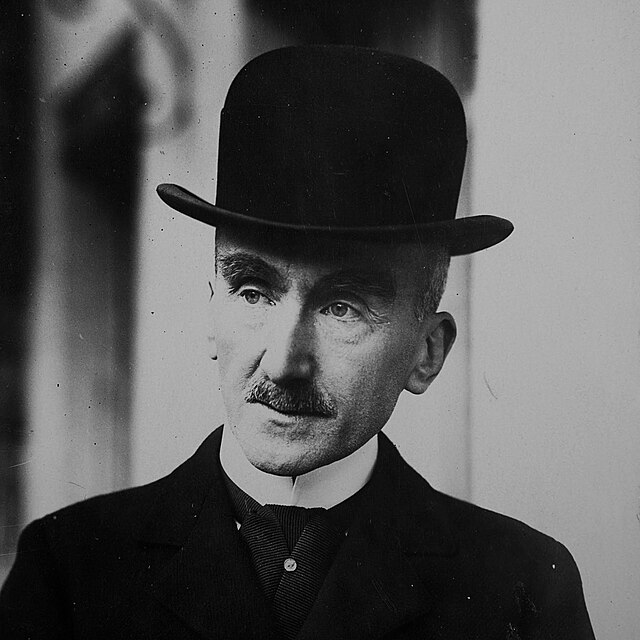
Beneath the surface self — the crust of clean-cut, labelled states we share with others through language — lies a deeper self whose states interpenetrate in pure duration. Most of our actions are performed by the surface self, and to these the associationist and determinist descriptions apply. But they are, Bergson says, the substratum of freedom, not its exercise.
The Free Act
A genuinely free act is rare. It occurs when the whole personality, not a detached fragment, is the author of the deed — when the act expresses the entire self and its whole past.
It is the whole soul, in fact, which gives rise to the free decision: and the act will be so much the freer the more the dynamic series with which it is connected tends to be the fundamental self.
Why the Debate Is Confused
Determinist and libertarian argue past each other, Bergson holds, because both treat the deliberating self as though its options were laid out in space like paths from a crossroads. But that picture spatializes a process that is pure duration; it substitutes a simultaneity for a succession and then asks whether the outcome was necessitated. Freedom cannot be proved because the very act of stating the problem in spatial terms has already dissolved it — freedom is lived, not demonstrated, and the free act carries its justification in the fact that the whole self performed it.
The theory of the two selves and the free act is the argument of Chapter III and the Conclusion of Time and Free Will.
Related Concepts