God's Love and the Ultimate End
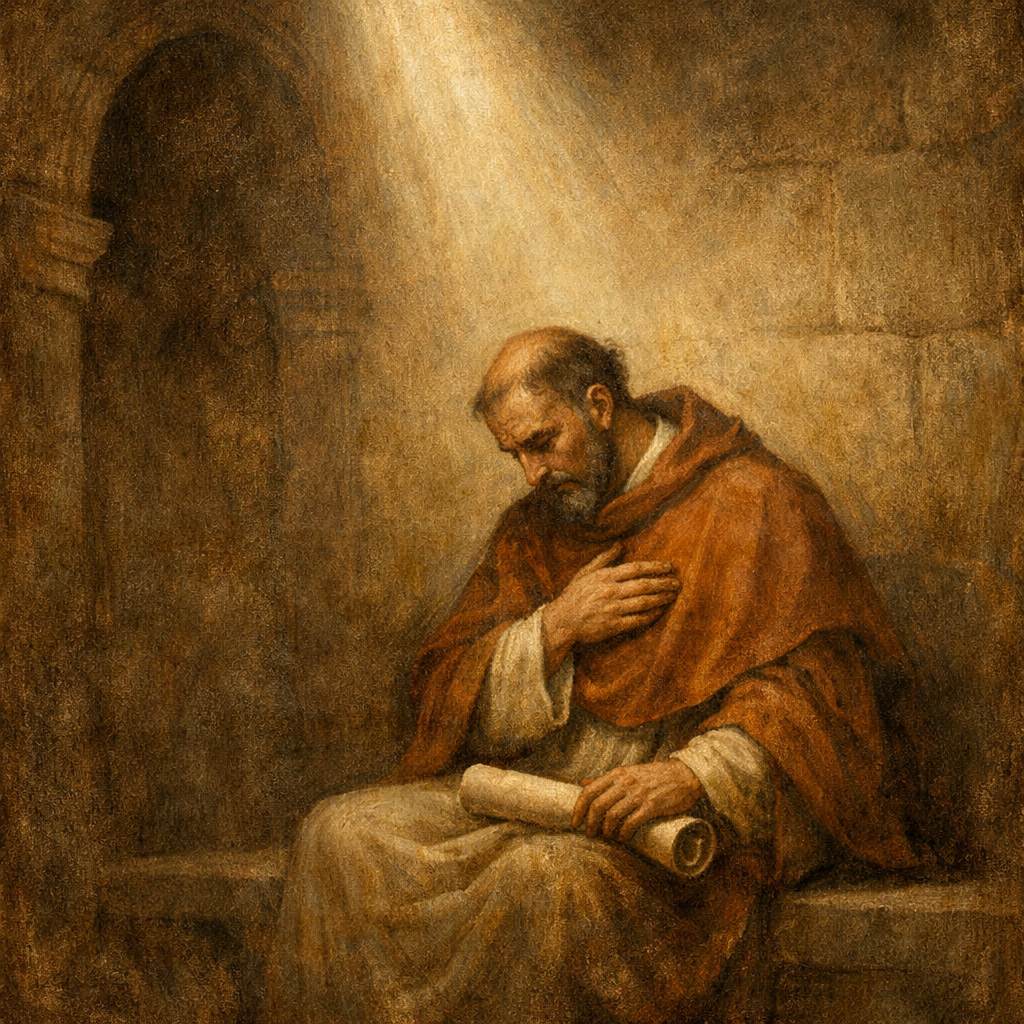
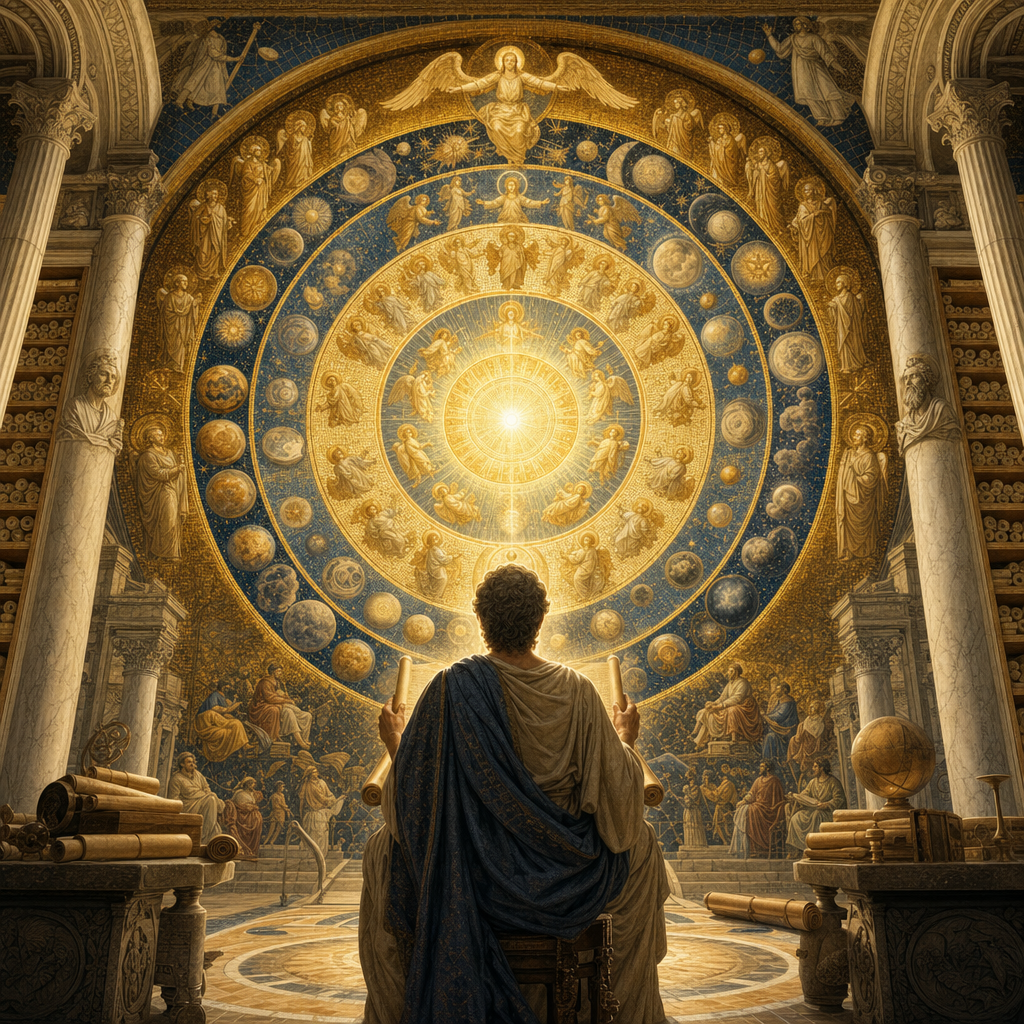
For Origen, God is infinite goodness and infinite love. If even one rational creature were finally and permanently excluded from God's presence, this would represent a limit on divine love — a love that had, in the end, failed to reach its object. Origen's logic is relentless: God cannot be defeated; God wills the good of every creature God has made; therefore every creature will, in the end, be restored. The fire of God's love is also the fire of purification: what looks like punishment is, on Origen's reading, therapeutic — designed not to inflict pain but to heal and transform the soul until it is capable of receiving God.
Freedom and the Risk of Restoration
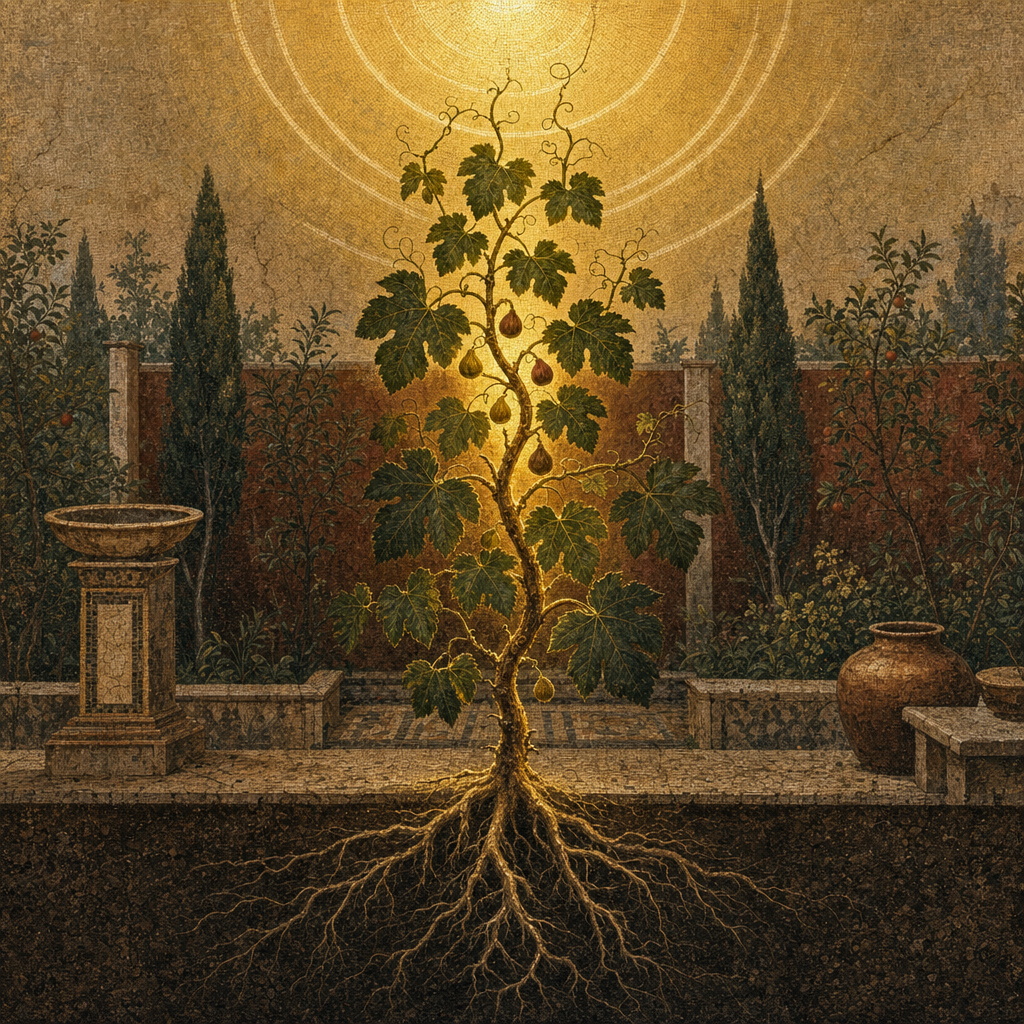
Origen's account of restoration does not abolish freedom. Each rational creature is free, and free creatures can fall — have fallen, repeatedly, through cosmic cycles of declension and ascent. The question Origen faces is how God can guarantee the final restoration of free creatures without overriding their freedom. His answer is that divine education — paideia — will, over an infinite span of time, bring every rational creature to the point where it freely chooses the good. Not coerced but persuaded, not forced but drawn, every soul will eventually exhaust its capacity for rebellion and discover that what it has always sought was God.
Condemnation and Influence
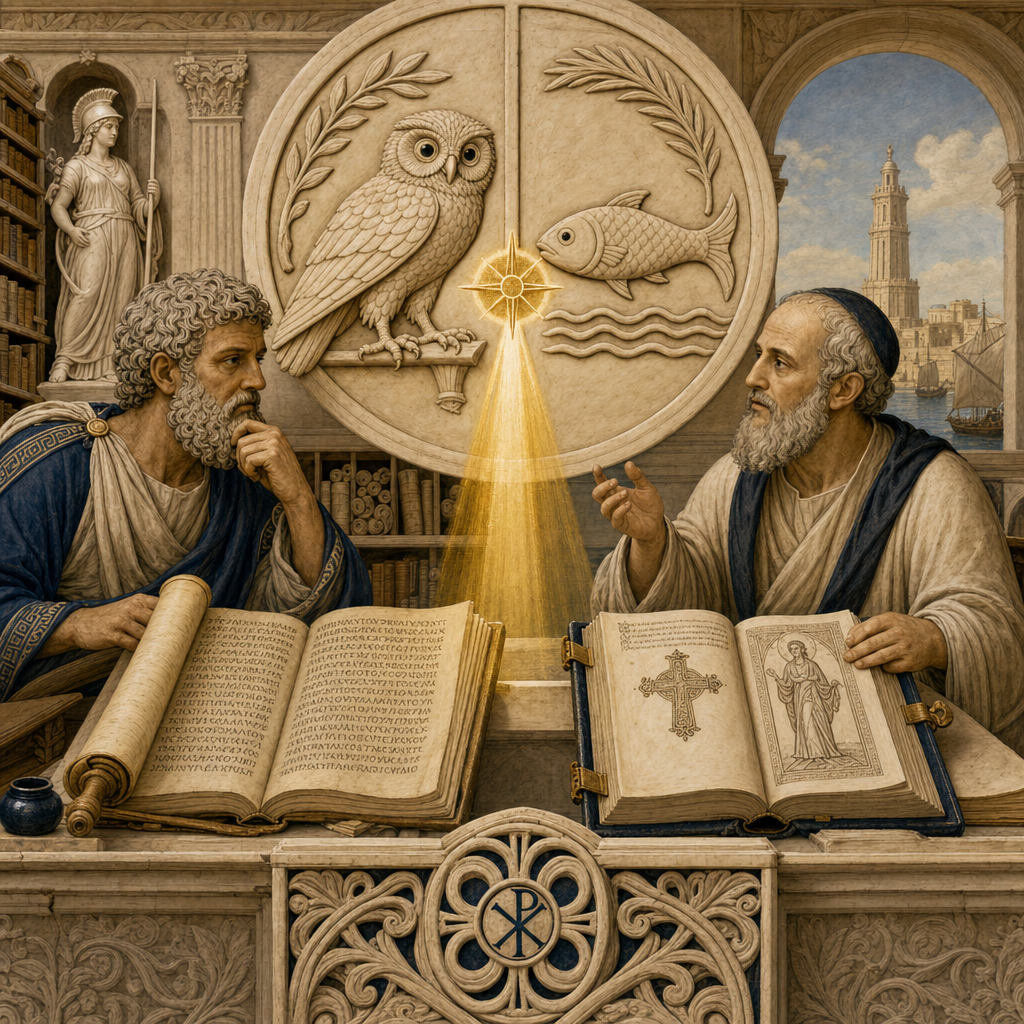
Apokatastasis was condemned as heresy by the Fifth Ecumenical Council in 553 CE. The objections are serious: it appears to undercut the gravity of moral choice, to make hell a temporary rehabilitation centre, and to promise salvation to the demonic. Origen's defenders argue that his position is more nuanced — that the restoration occurs through processes that take the reality of freedom seriously, and that the condemnation may have targeted later Origenism rather than Origen himself. Whatever its orthodox status, the doctrine exercised enormous influence: on Gregory of Nyssa, who developed his own version of universal restoration; on modern theologians like Hans Urs von Balthasar; and on the broader tradition of hopeful eschatology.
Apokatastasis is discussed throughout On First Principles, especially in Book I (chapters 6 and 8) and Book III. The Greek term appears in Acts 3:21 ("times of restoration of all things"). Origen's application of it to the universal salvation of all rational beings, including Satan, made it the most controversial element of his theology.
Related Concepts