The Three Senses of Scripture
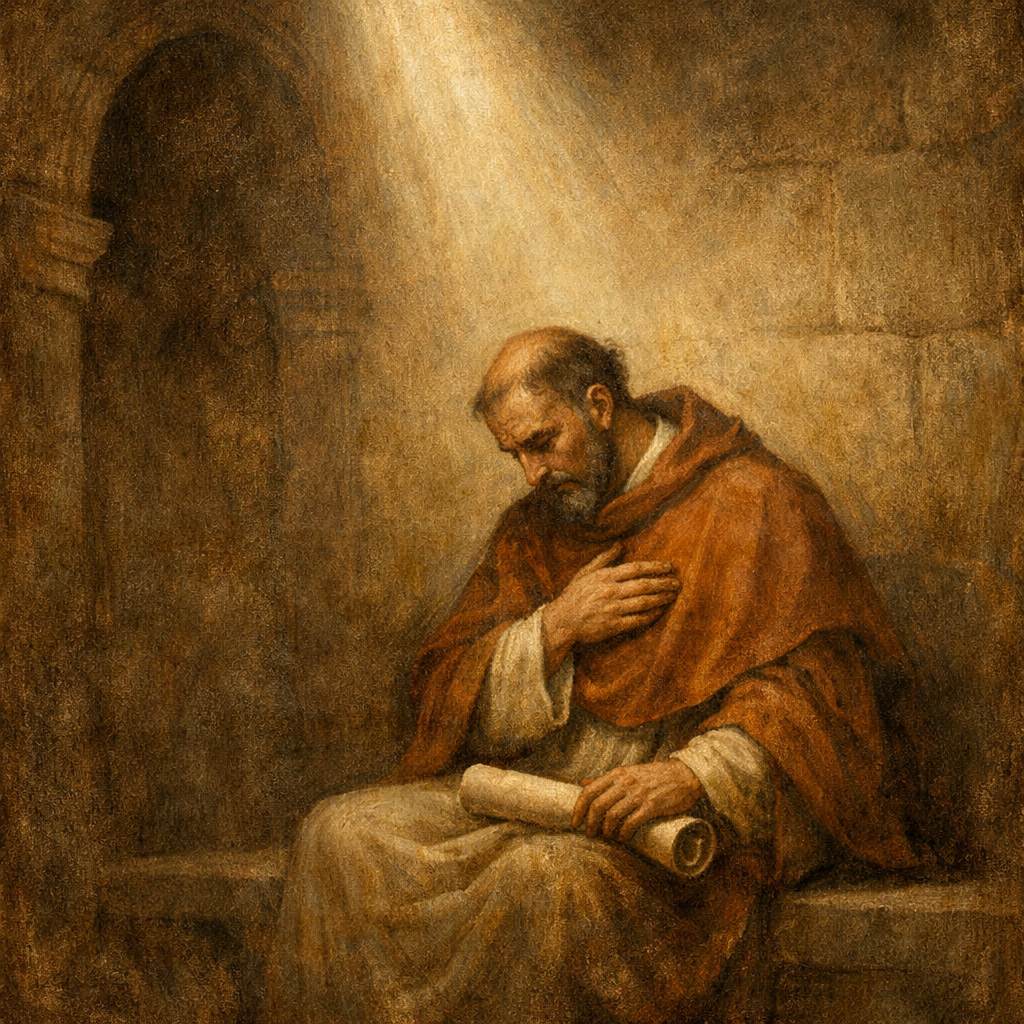
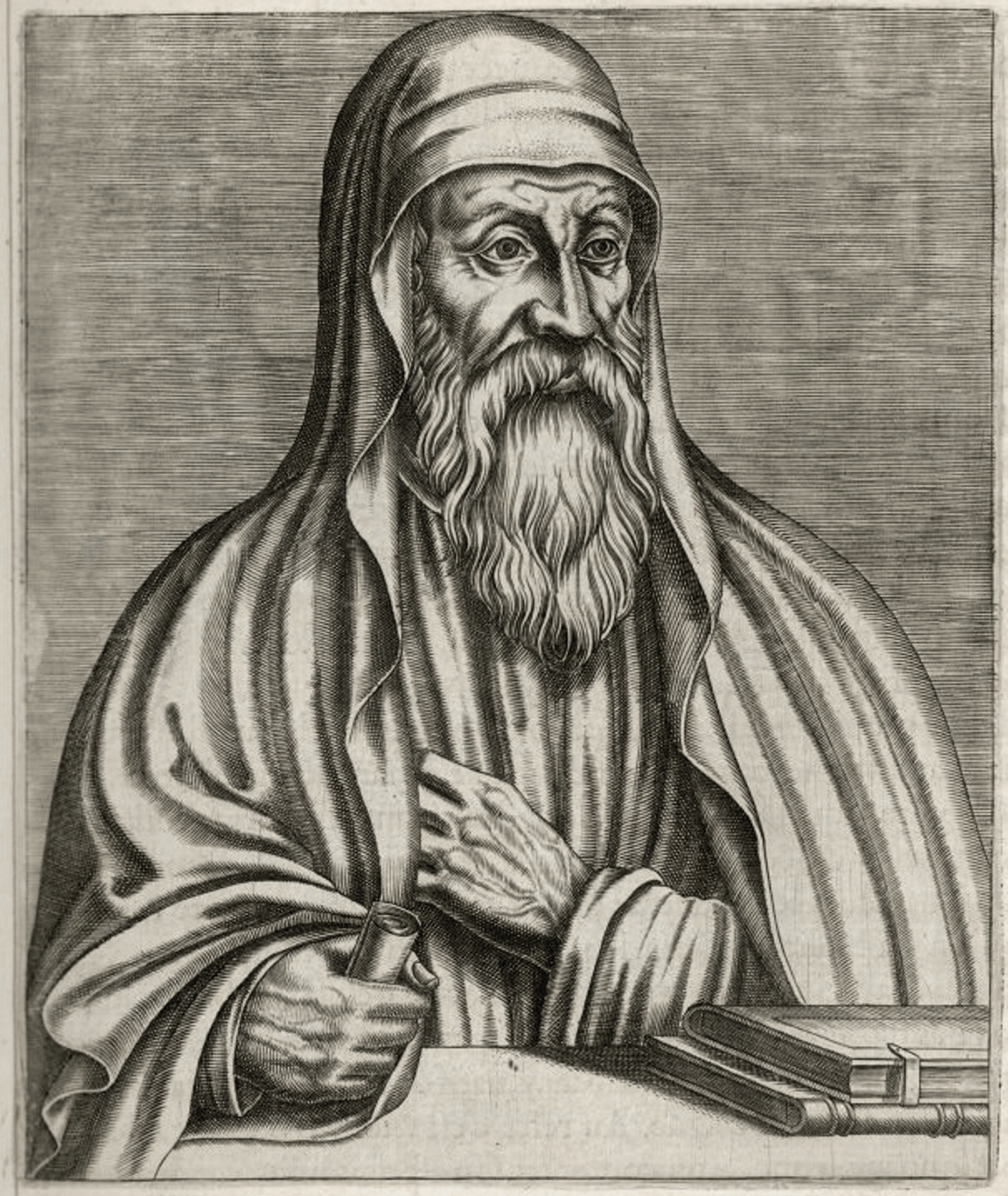
Origen develops his theory of scriptural interpretation most fully in On First Principles Book IV and in the introductions to his commentaries. Just as human beings are body, soul, and spirit, scripture has a corresponding threefold structure. The somatic or literal reading serves the simple believer who needs concrete narrative and precept. The psychic or moral reading extracts the ethical content applicable to the soul's governance. The pneumatic or allegorical reading penetrates to the theological and cosmic truth that the text is ultimately communicating. Not every passage has all three senses, and the literal sense of some passages may be deliberately impossible or absurd — planted there by the divine author to signal that literal reading is insufficient.
The Divine Pedagogy of Scripture
The diversity of scriptural modes is, for Origen, itself providential. God has accommodated the divine message to the capacity of different readers at different stages of development. The narrative stories that seem most literally straightforward are, at the deeper level, the most profound vehicles of divine truth; the passages that seem most obscure or offensive to reason are often the most spiritually rich. Scripture's surface is not a barrier to be overcome but a progressive accommodation: it meets the reader where they are and draws them toward deeper understanding through engagement with its difficulties.
Against Literal-Minded Critics
In Contra Celsum, Origen deploys allegorical reading as a defensive weapon against Celsus's charge that Christianity is credulous and irrational. Celsus had mocked the anthropomorphic God of the Old Testament, the crude cosmology of Genesis, and the miraculous narratives of the New Testament. Origen's response is that Celsus has made the same mistake as those simple Christians who read scripture only literally: he has failed to notice that the sacred text operates at multiple levels, and that the philosophically sophisticated reader finds in its apparent absurdities the most refined theological truth. The proper criticism of scripture is not dismissal but the patient work of allegorical penetration.
Origen's theory of scriptural interpretation is developed in On First Principles Book IV and applied in his voluminous commentaries and homilies on nearly every book of the Bible. His method drew on Philo of Alexandria's Jewish allegorical exegesis and on Stoic and Platonic traditions of allegorical reading. His influence on Jerome, Augustine, and the entire medieval tradition of spiritual exegesis (the "four senses" of scripture) was foundational.
Related Concepts