God Has a Past
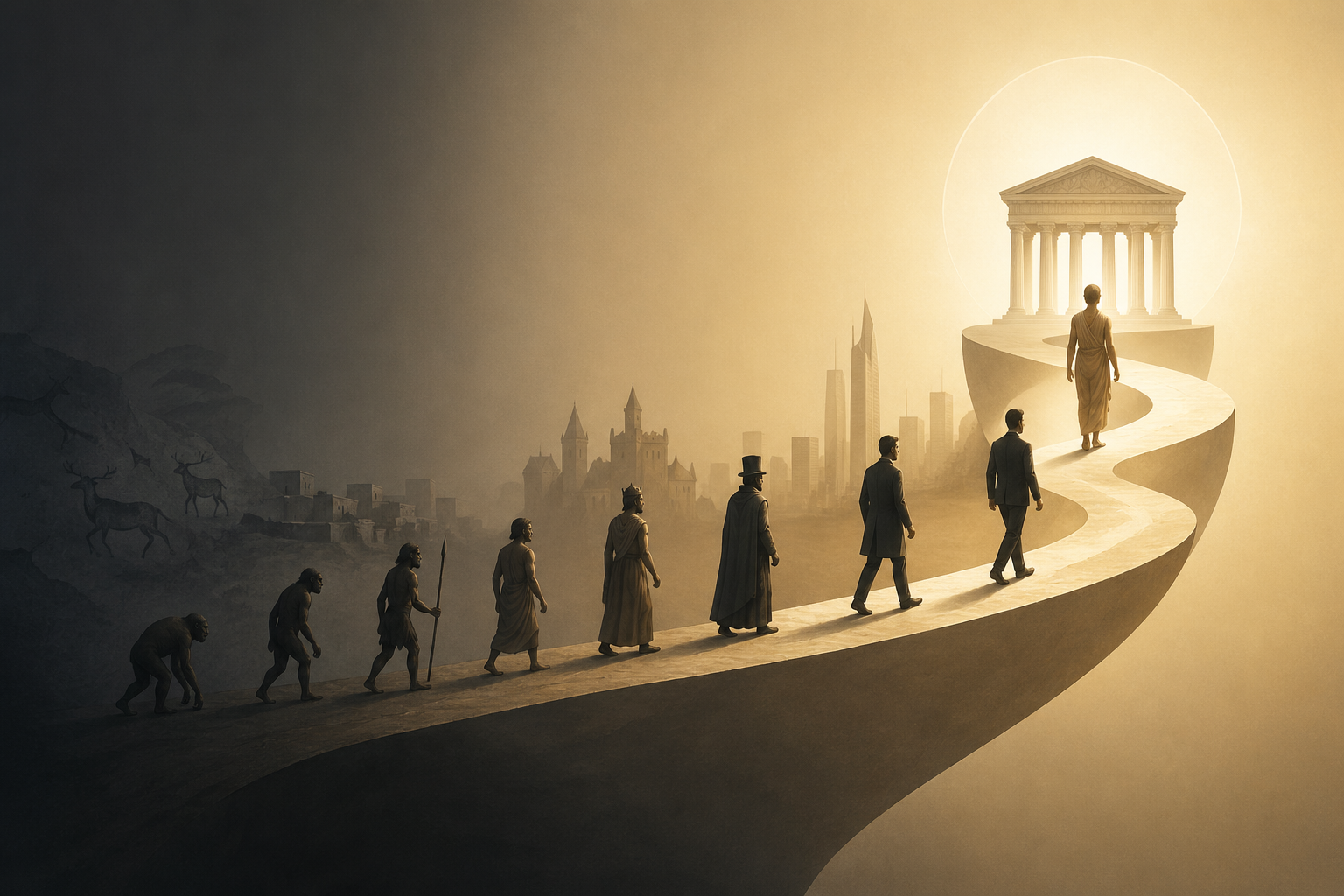
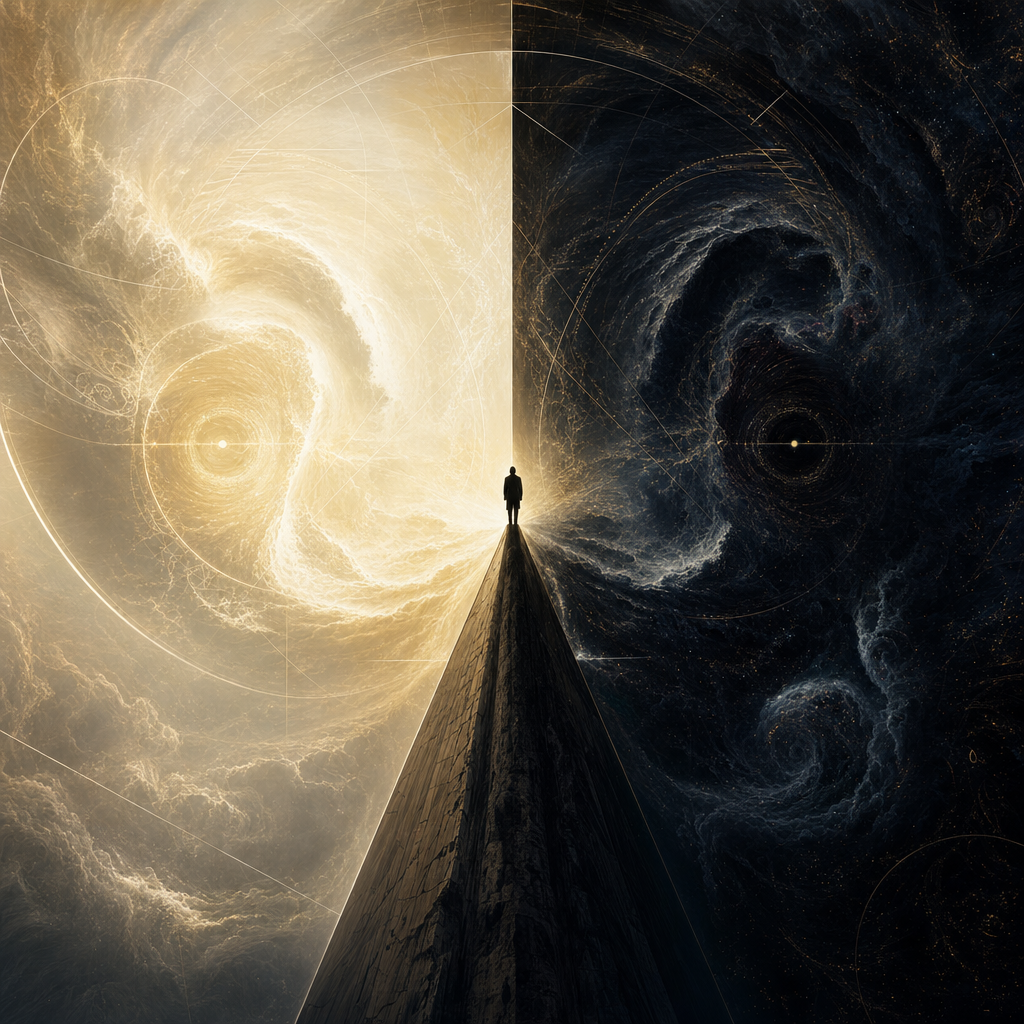
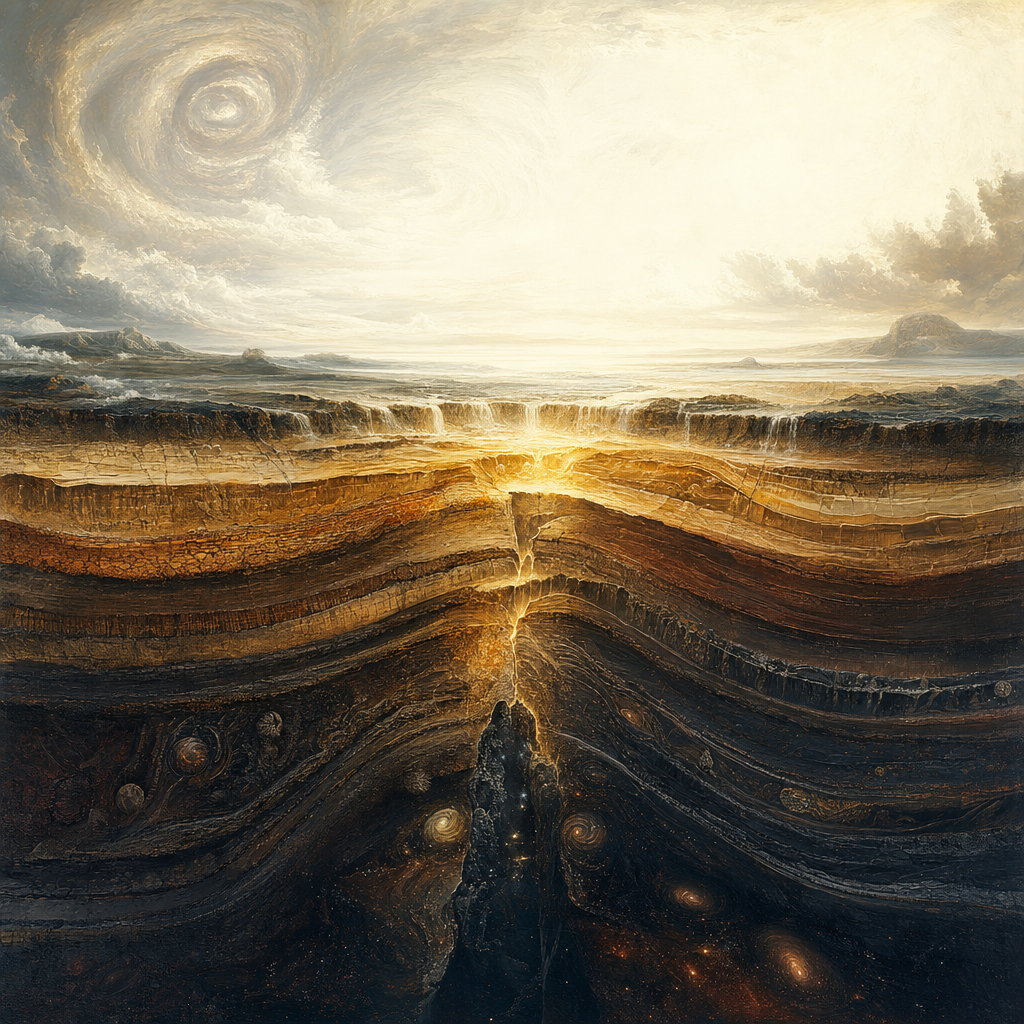
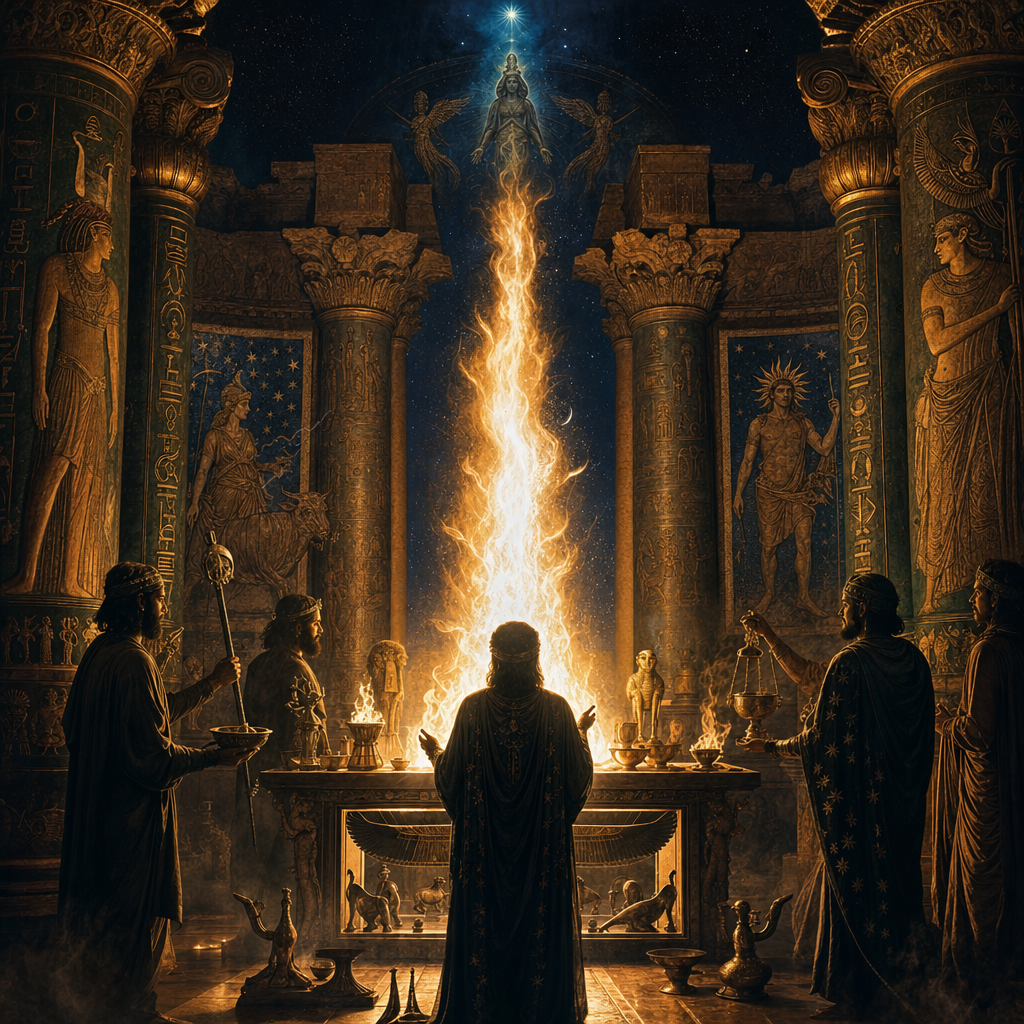
Traditional theology conceives God as eternal and immutable — the One who simply is, without before or after, beginning or development. Schelling proposes a radical alternative: God has a past, a present, and a future; the divine life is genuinely temporal. The past of God is the age of darkness and self-contraction — the Godhead not yet self-disclosed, enclosed within itself, the dark ground prior to the emergence of love and light. This is not a time before creation in the sense of a datable period; it is a structural "before" within the divine life itself.
Contraction, Crisis, and Disclosure
Schelling narrates the divine life as a drama of three ages. In the first age, God contracts into pure selfhood, concentrating all potency within an absolute night of being. This contraction cannot remain static; it generates an inner crisis, a tension that Schelling describes in terms of a divine longing or nostalgia — the Sehnsucht — for self-disclosure. In the second age, out of this crisis, the logos — the principle of light and understanding — erupts and confronts the dark ground. The world of creation is born from this confrontation. The third age, which Schelling could never complete to his satisfaction, is the eschatological fulfilment in which both ages are reconciled and held together in the divine life.
Process Theology's Ancestor
The Ages of the World anticipates process theology by a century. Whitehead's God has two natures — primordial (eternal) and consequent (temporal, affected by the world) — which correspond roughly to Schelling's dark ground and luminous existence. More directly, the work influenced Hegel's critics, the Russian Orthodox theologians of the early twentieth century (Bulgakov, Berdyaev), and the German speculative theology of the mid-twentieth century. Its central claim — that God is genuinely temporal, affected by what happens in the world, and not yet fully what God will become — remains controversial but generative.
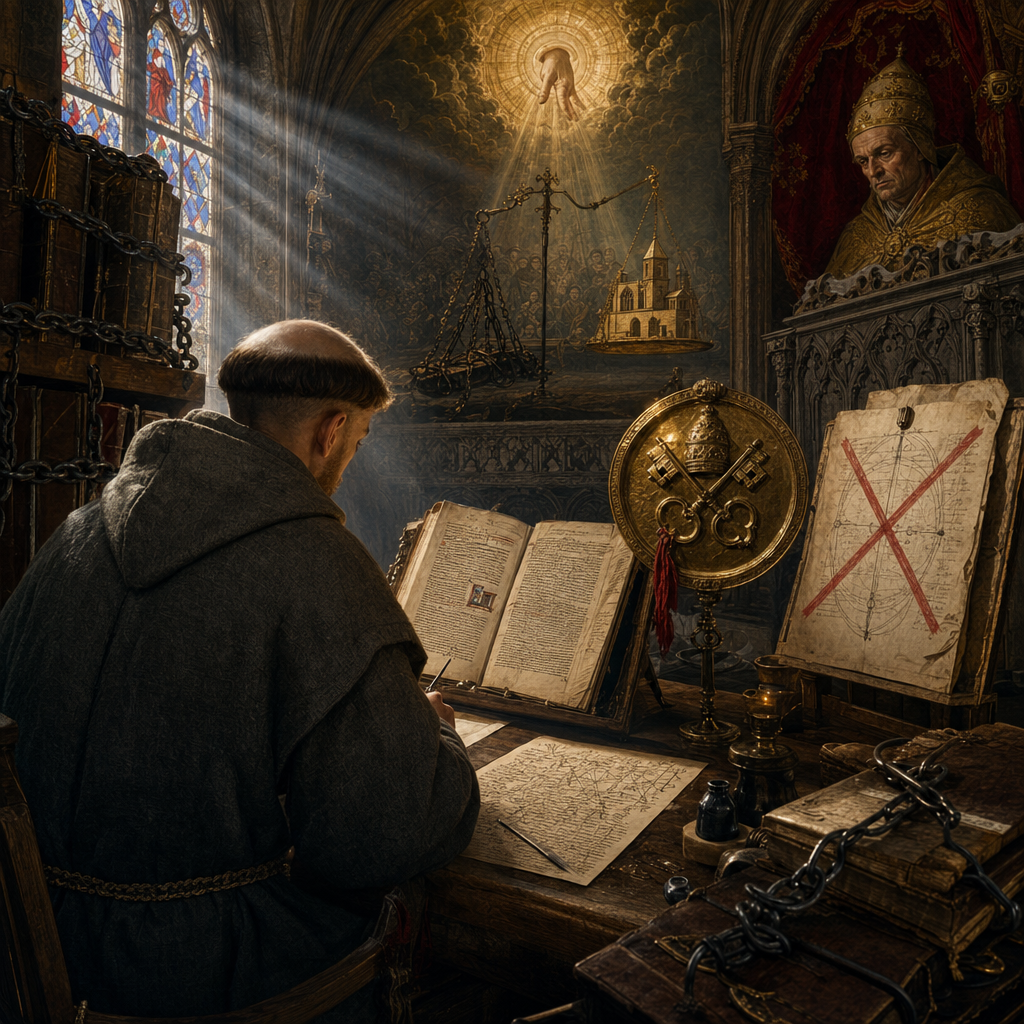
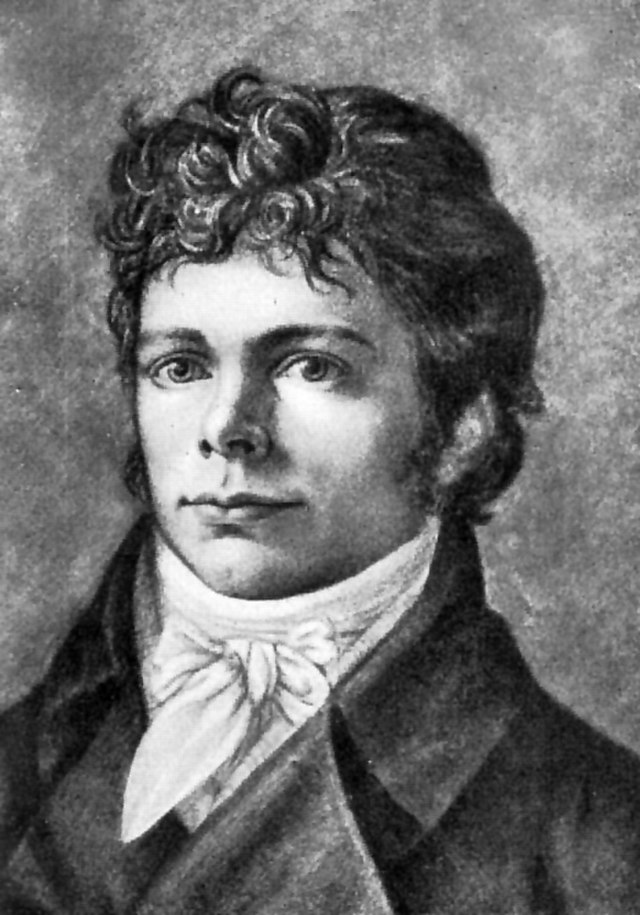
The Ages of the World exists in three successive drafts (1811, 1813, c. 1815), all unpublished by Schelling. They were published posthumously in the nineteenth century and reflect his sustained but unresolved struggle to write a positive philosophy of divine history.
Related Concepts