The Bourgeoisie and Its Contradictions
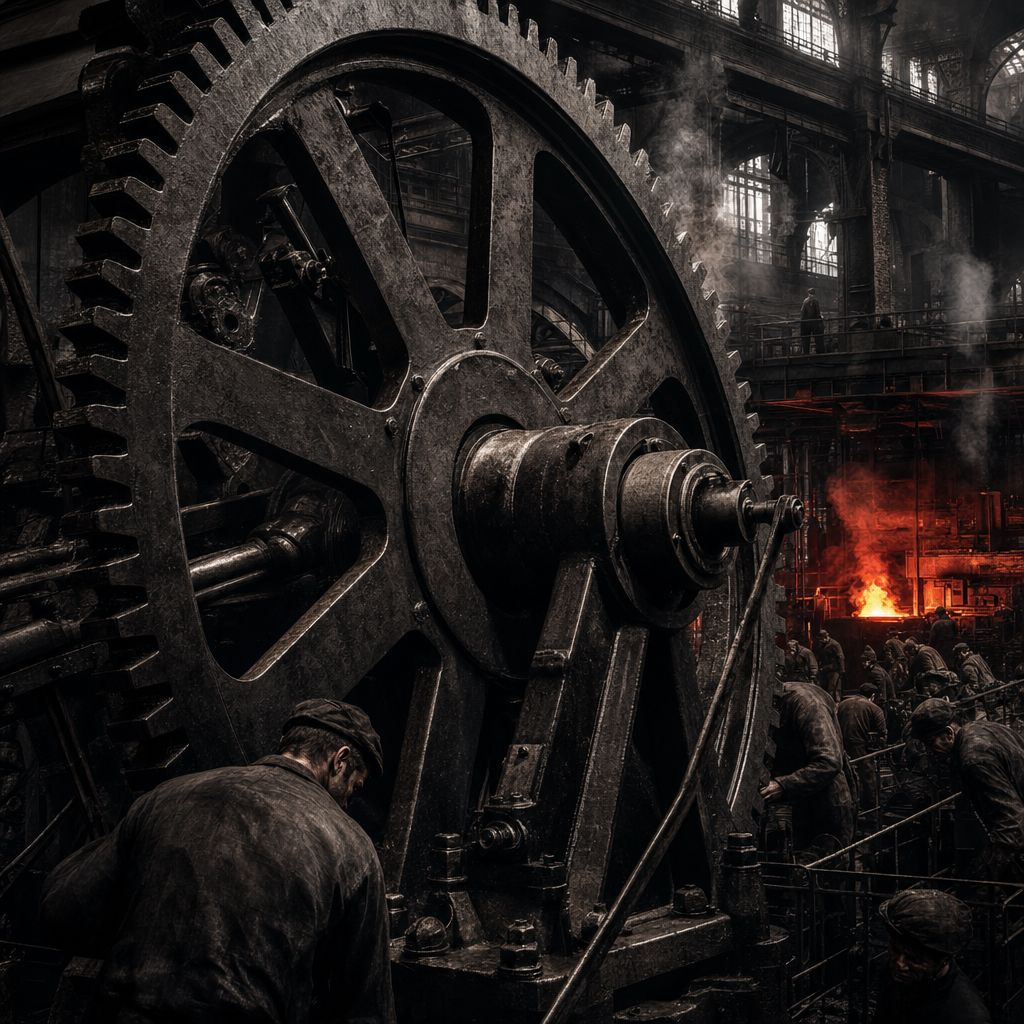
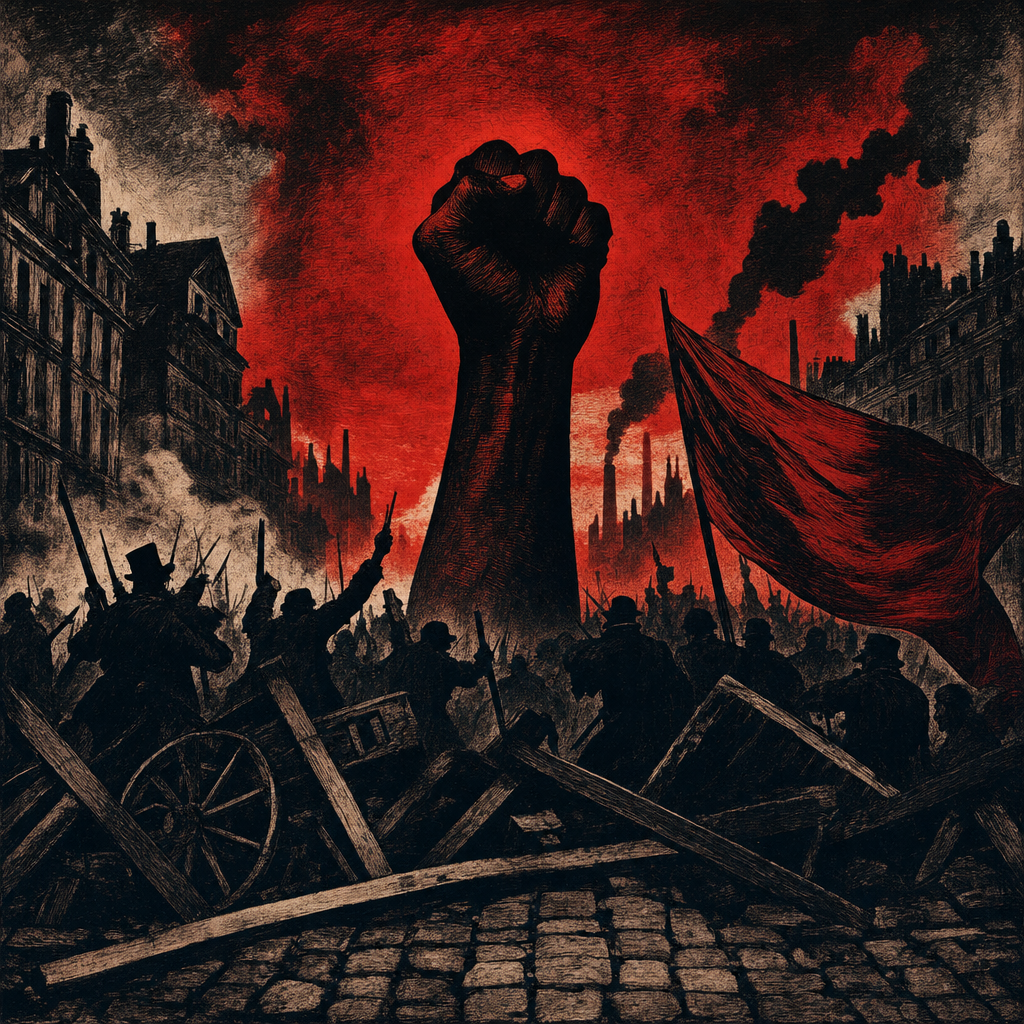
The Manifesto's account of the bourgeoisie is, in certain passages, almost admiring: the bourgeoisie has played "a most revolutionary part." It has "pitilessly torn asunder the motley feudal ties that bound man to his 'natural superiors'" and left "no other nexus between man and man than naked self-interest, than callous 'cash payment'." It has produced the forces of production in a century that "all preceding generations together" could not have matched. But this creative destruction carries its own contradiction: the bourgeoisie has called into existence the class that will bury it. Every advance in capitalism increases the size, organisation, and consciousness of the proletariat.
The Role of the Communist Party
The Communists, Marx argues, have no interests separate from the interests of the proletariat as a whole. Their specific contribution is theoretical: they understand the line of march and the conditions under which proletarian emancipation is possible, where other working-class formations may be confused about one or the other. The Communists therefore work within every working-class movement while pushing consistently toward the common goal: the overthrow of bourgeois supremacy and the conquest of political power by the proletariat. The Communist Party is not a vanguard that acts on behalf of the class but its most conscious element, advancing its interests by advancing its understanding.
What Communism Abolishes
The Manifesto's most provocative claim is that communism abolishes not property as such but bourgeois property — the form of property that is based on the exploitation of the many by the few. The objection that this would abolish personal property, individual freedom, or the family Marx dismisses by pointing out that these institutions already exist only for the bourgeoisie: for the proletarian, the family is already destroyed by factory labour; individual freedom in bourgeois society means freedom of capital. What communism abolishes is not the worker's ability to own their own coat but the capitalist's ability to own the means of production — and with it, the power to set others to work for their benefit.
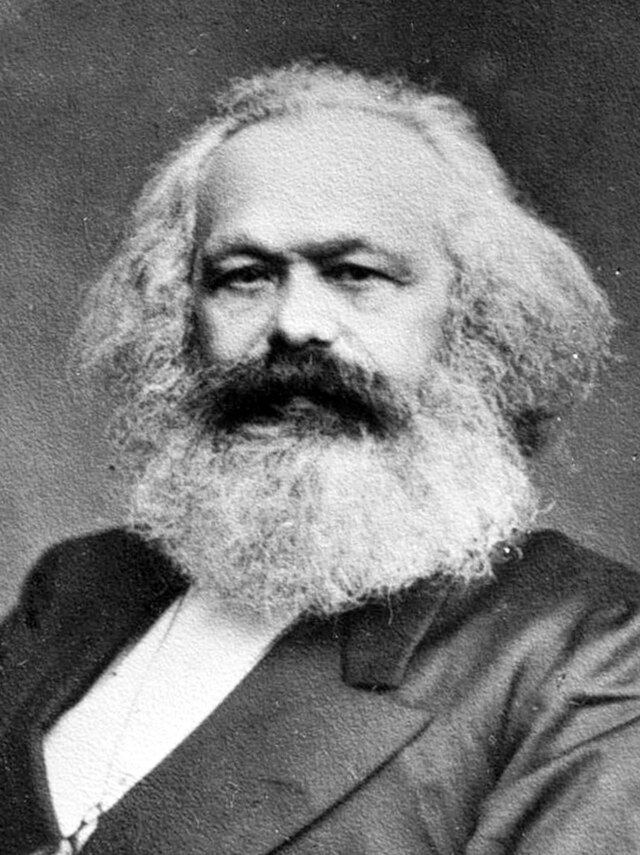
The Communist Manifesto was written by Marx and Engels in late 1847 and early 1848, commissioned by the Communist League. The phrase "dictatorship of the proletariat" — meaning the political rule of the working class during the transition to communism — appears not in the Manifesto itself but in Marx's later writings, including the Critique of the Gotha Programme (1875).
Related Concepts