The Two Heavenly Forces
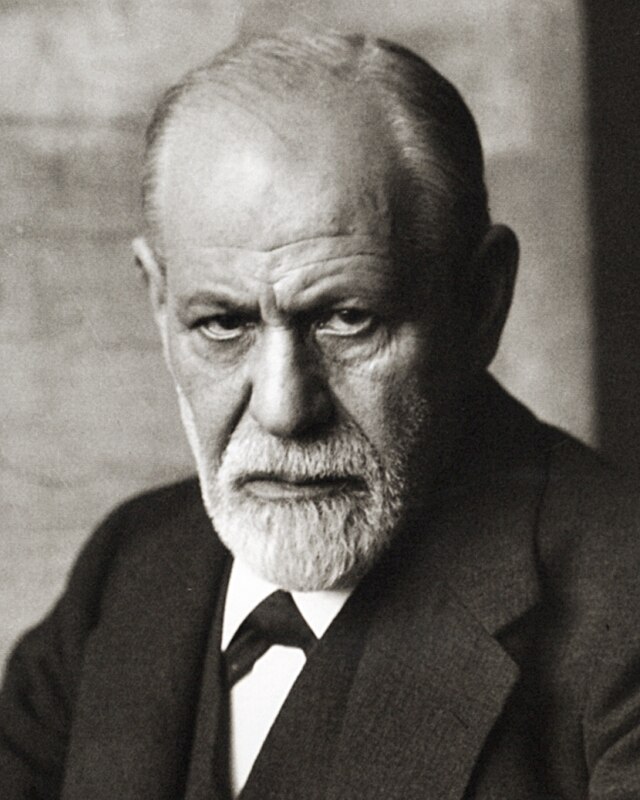
Freud's final synthesis is deliberately mythological. Eros and Thanatos — Life and Death — are not metaphors for him but genuine instinctual forces with biological foundations. Eros binds: it creates love, family, community, civilization. The death instinct unbinds: it tends toward aggression, dissolution, the return to the inorganic. Civilization is the arena of their combat, and the individual human being is both the battlefield and the prize.
The fateful question of the human species seems to me to be whether and to what extent the cultural process developed in it will succeed in mastering the derangements of communal life caused by the human instinct of aggression and self-destruction.
The Open Question
Writing in 1930 — as fascism rose across Europe and the memory of the Great War was still fresh — Freud refuses the consolations of progress. Civilization is not self-evidently winning. The development of weapons capable of mass destruction, the tendency of nations to deploy aggression against each other through war, the chronic guilt and discontent that advanced civilization produces in its members: all of this speaks to the genuine power of the death instinct.
But Freud's closing line points toward hope without asserting it: "And now it is to be expected that the other of the two heavenly forces, eternal Eros, will put forth his strength so as to maintain himself alongside of his equally immortal adversary." The word "expected" carries all the ambivalence of the book — it is a hope, not a prediction, and it is addressed to a force that is eternal but not omnipotent. Whether Eros wins is the fateful question that Freud does not answer, because history has not yet answered it.
The final chapter of Civilization and Its Discontents was written in 1929 and published in 1930. Freud added a final sentence about the destructive potential of modern technology when revising for the 1931 edition — a prescient addition given what followed.
Related Concepts