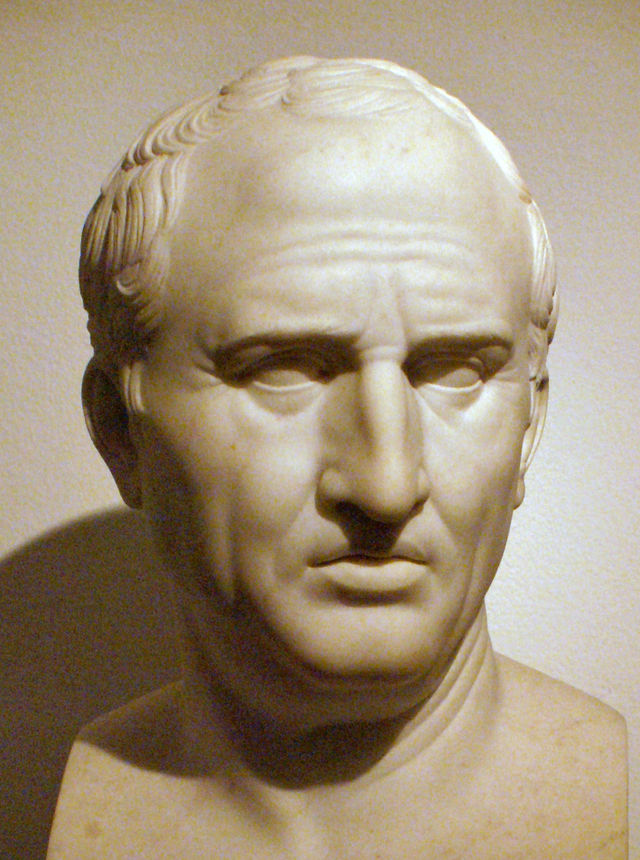
The Platonic Argument
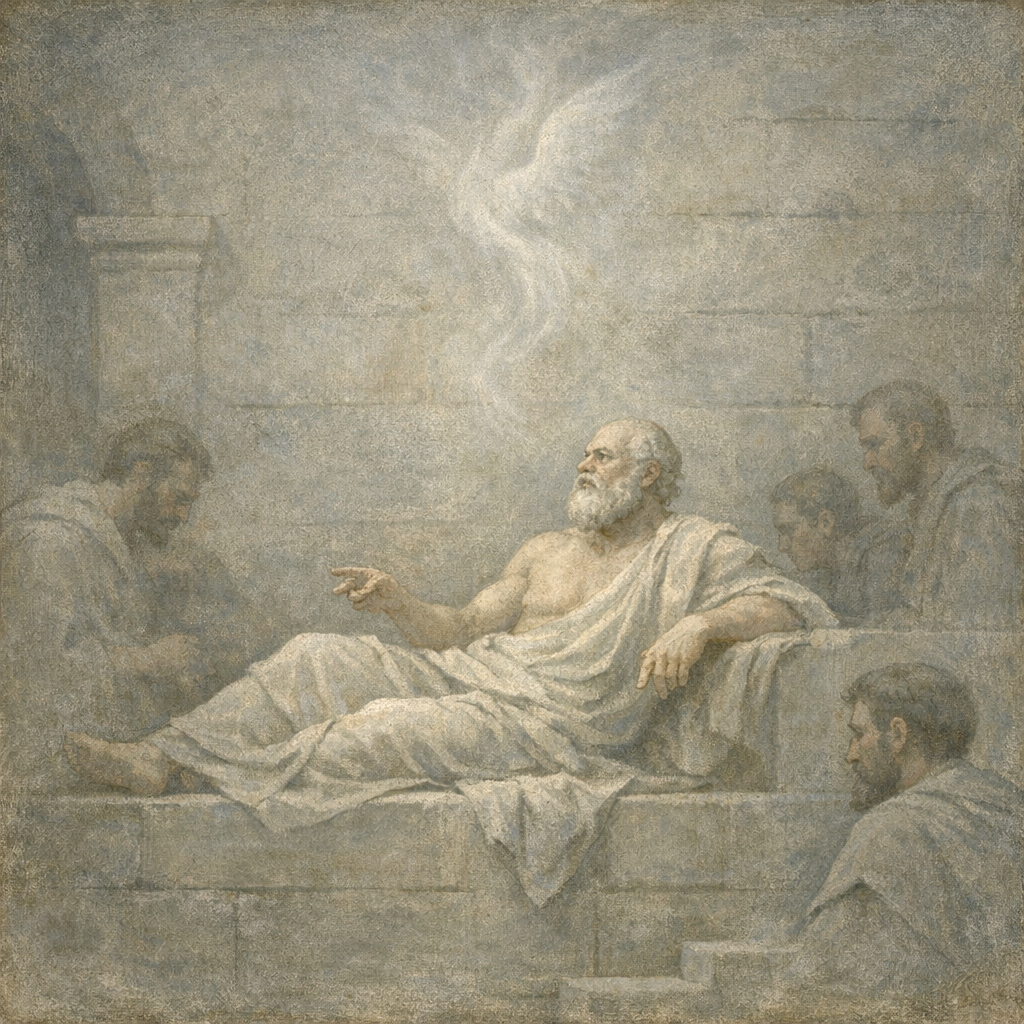
Cicero surveys the Platonic arguments for the immortality of the soul: the argument from the soul's self-motion (only the self-moving is eternal), the argument from the soul's kinship with the eternal Forms (the soul knows timeless truths and so cannot be fully mortal), and the argument from the recollection of pre-natal knowledge. If the soul is immortal, then death is not annihilation but liberation — the soul passes from the prison of the body to a state of pure intellectual contemplation, finally able to know the eternal truths it could only glimpse through the fog of embodied existence. Death is something to be welcomed, not feared.
The Epicurean Argument
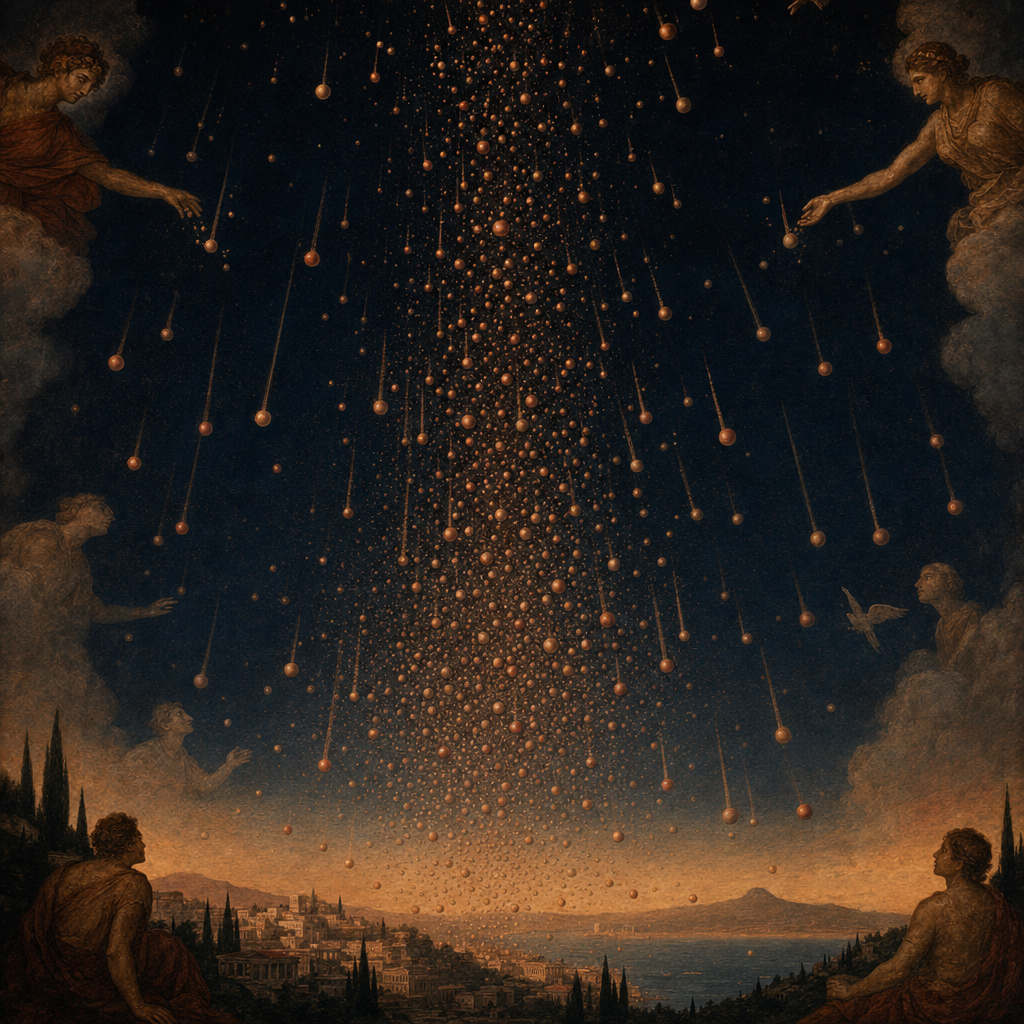
Even if the soul does not survive death — if Epicurus is right that death is simply the dissolution of the atoms that constitute us — the Epicurean conclusion follows: death is nothing to us. Harm requires a subject who can be harmed; once we are dead, there is no subject to be harmed by non-existence. The fear of death is therefore always a fear of something that will not, when it arrives, be experienced as bad by anyone. Cicero accepts this argument as a second line of defence — even if the immortality arguments fail, the rationalist case against fearing death holds.
Against Common Opinion
Cicero is aware that both arguments cut against common opinion and require sustained philosophical effort to internalise. The mere intellectual acceptance that death is not harmful does not automatically extinguish grief and fear; the philosophical therapy the Tusculans offer is precisely the sustained practice of holding these arguments in mind, applying them to one's own situation, and allowing them over time to reshape one's emotional responses. Philosophy is not a one-time insight but a daily exercise — and the cultivation of equanimity in the face of death is one of its highest achievements.
The argument of Tusculan Disputations I draws heavily on Plato's Phaedo, which Cicero had translated into Latin (the translation is lost). The Epicurean argument is the "no subject" argument, later made famous by Epicurus's own formulation: "Death is nothing to us: when we are, death has not come; when death has come, we are not."
Related Concepts