Iphigenia at Aulis
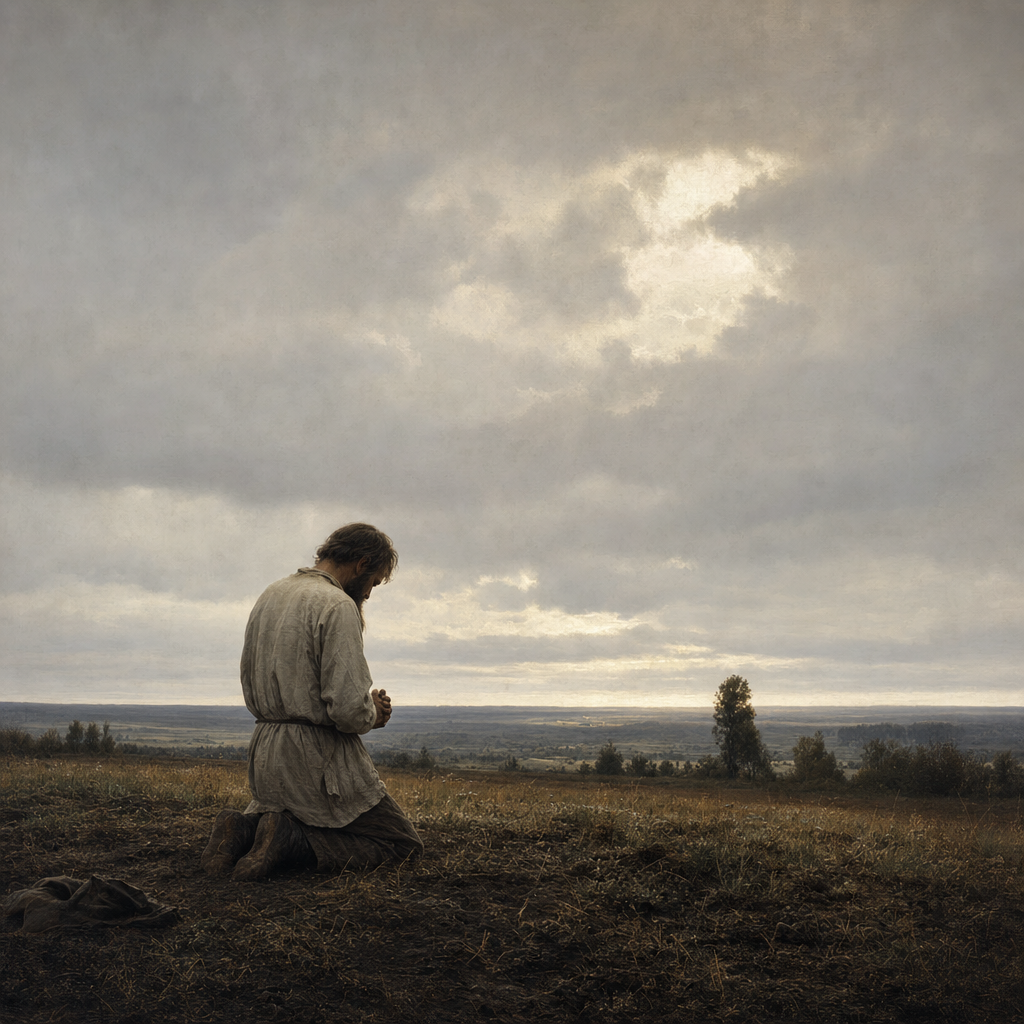
Book I opens with a startling move: before laying out any physics, Lucretius proves his point about religion with a story. At Aulis, the Greek fleet lay becalmed on its way to Troy. The priests declared that Agamemnon must sacrifice his daughter Iphigenia to appease the goddess Diana and win fair winds. He did. Lucretius dwells on the detail: the girl at the altar, the concealed knife, her father's face, the people weeping. The scene is designed to make the reader feel the horror of what religion, taken as literal divine command, can justify. The indictment is then delivered in five words.
Such are the crimes to which Religion leads.
The True Source of Fear
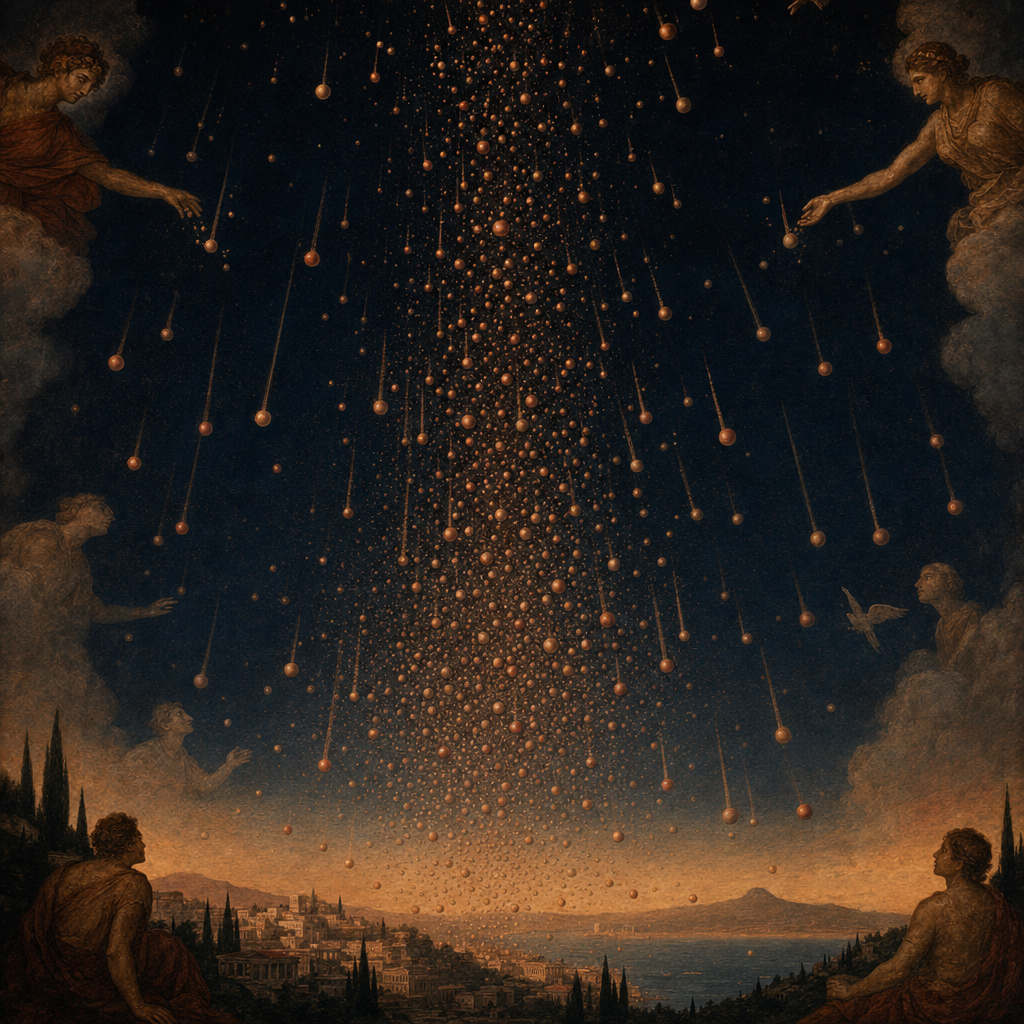
Lucretius's deeper argument is psychological. Men project gods onto the universe because they see events they cannot explain — storms, earthquakes, plagues, eclipses — and assume a will behind them. This projection is not harmless ignorance; it generates dread, guilt, and the readiness to do terrible things to placate imagined powers. The cure is philosophy: once you understand that thunder is atoms in motion, not Jupiter's wrath, the terror dissolves. Nature replaces the gods not as an object of worship but as a transparent and lawful system in which the philosopher can move without fear.
The Epicurean gods are not abolished but re-imagined. They live in perfect ataraxia — tranquil detachment — and serve in the poem as models of the life philosophy aims at. They are untouched by anxiety, uninterested in human affairs, and precisely because they do not intervene, they cannot be appeased, angered, or supplicated. This is a theology of radical non-interference, designed to strip away every motive for sacrifice, prayer, or priestly submission.
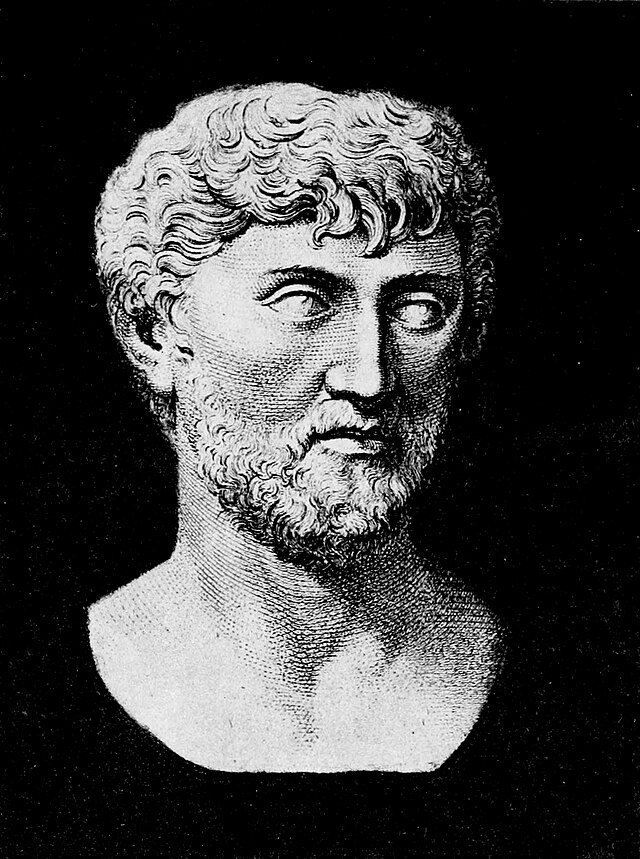
The Iphigenia episode and the argument against religio appear in Book I of De Rerum Natura. Lucretius's critique of religion was scandalous in antiquity and became a touchstone for Enlightenment anti-clericalism; Voltaire and Diderot both cited it approvingly.
Related Concepts