The Guide of Life
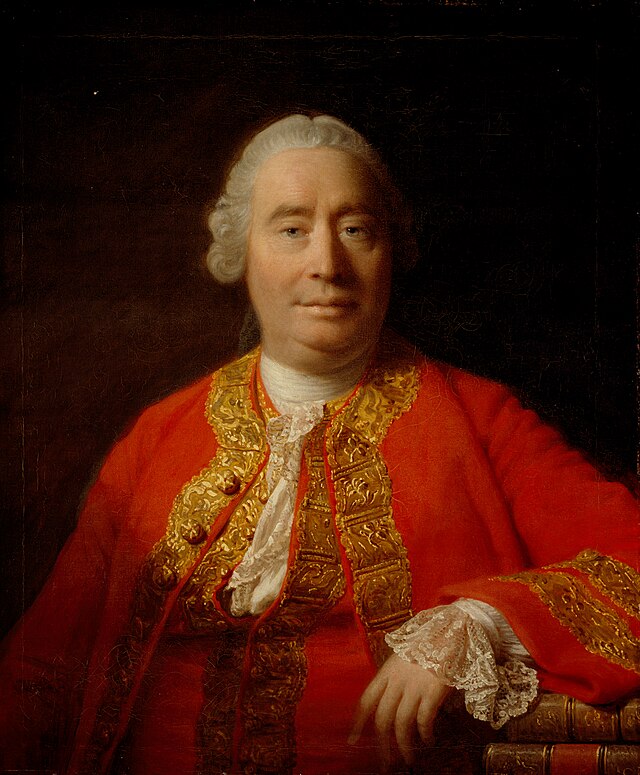
When the mind moves from observing fire to expecting heat, it is not following a logical inference. It is obeying a habit built up by repeated experience. Custom is "the great guide of human life" — not because it is rational, but because it works. Without it we could not function: we could not eat, plan, love, or act. It is nature's provision for beings whose reason alone cannot carry them.
Custom, then, is the great guide of human life. It is that principle
alone which renders our experience useful to us, and makes us expect,
for the future, a similar train of events with those which have appeared
in the past.
A Naturalistic Turn
This is Hume's naturalistic turn. Rather than asking what justifies our inductive practices from the outside, he asks what causes them — and finds the answer in the psychology of habit, not the logic of inference. We are not rational animals who have chosen to trust custom; we are habitual animals who cannot help but do so. Reason is not the captain; it is the passenger.
What This Means
The conclusion is both humbling and liberating. It is humbling because our most fundamental cognitive practices — expecting causes, trusting memory, predicting the future — rest on psychological conditioning rather than rational foundations. It is liberating because it means the sceptic's demand for a rational justification of induction is not a challenge we need to meet. Nature has settled the question for us, whether we like it or not.
Section V of the Enquiry is titled "Sceptical Solution of These Doubts." The sceptical solution does not answer the sceptic but sidesteps him: we cannot justify induction rationally, but we cannot stop doing it either.
Related Concepts