The Search for Necessary Connection
We believe that the cause necessitates the effect — that fire must heat, that impact must move. But when we look for the impression from which the idea of necessary connection derives, we find nothing in any single instance of causation. We observe two events in constant conjunction, and we observe that one is prior to the other in time and contiguous in space. But we do not observe any force, power, or connection between them. The "must" of causation is not found in the objects themselves.
Constant Conjunction and Custom
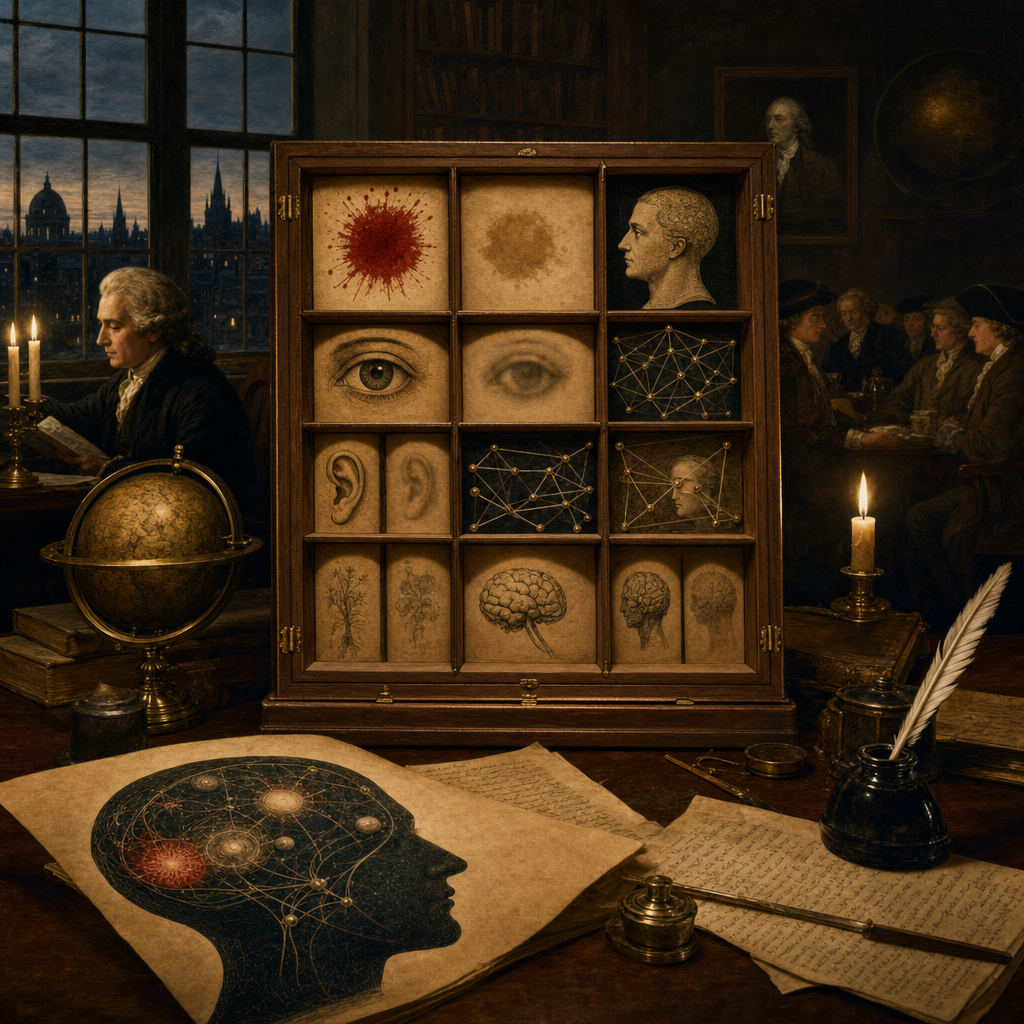
What repeated experience of constant conjunction does produce is a habit in the mind: after many observations of A followed by B, the mind comes to expect B upon perceiving A, and to feel a determination to make the transition from A to B. This felt determination — this internal impression of the mind — is the only impression from which the idea of necessary connection can be derived. Necessary connection is not in the world but in us: it is the mind's projection of its own associative habit onto the external relation of the two events.
The Problem of Induction
The full significance of Hume's analysis is the problem of induction: we cannot rationally justify the inference from "A has always been followed by B in the past" to "A will always be followed by B in the future." Any such justification would itself presuppose the uniformity of nature — that the future will resemble the past — which is exactly what needs to be established. There is no non-circular rational argument for the reliability of inductive inference. What drives us to make these inferences is not reason but custom and habit: the same associative mechanism that generates the idea of necessary connection.
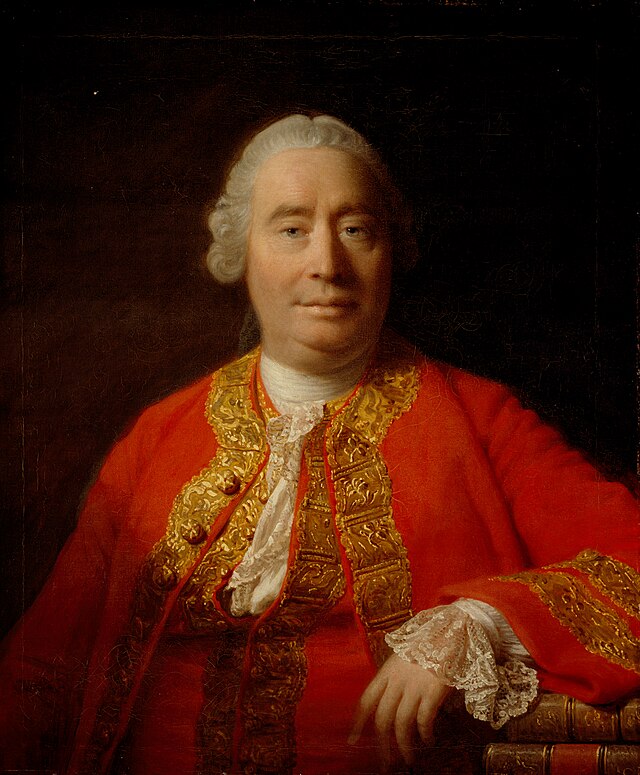
Hume's analysis of causation runs through much of Book I of the Treatise and is also presented, in more accessible form, in Section IV of the Enquiry Concerning Human Understanding. Kant described reading Hume on causation as waking him from his "dogmatic slumber" and provoking the entire critical philosophy.
Related Concepts