AristotleRhetoric
Rhetoric

Rhetoric

Aristotle
c. 350 BC

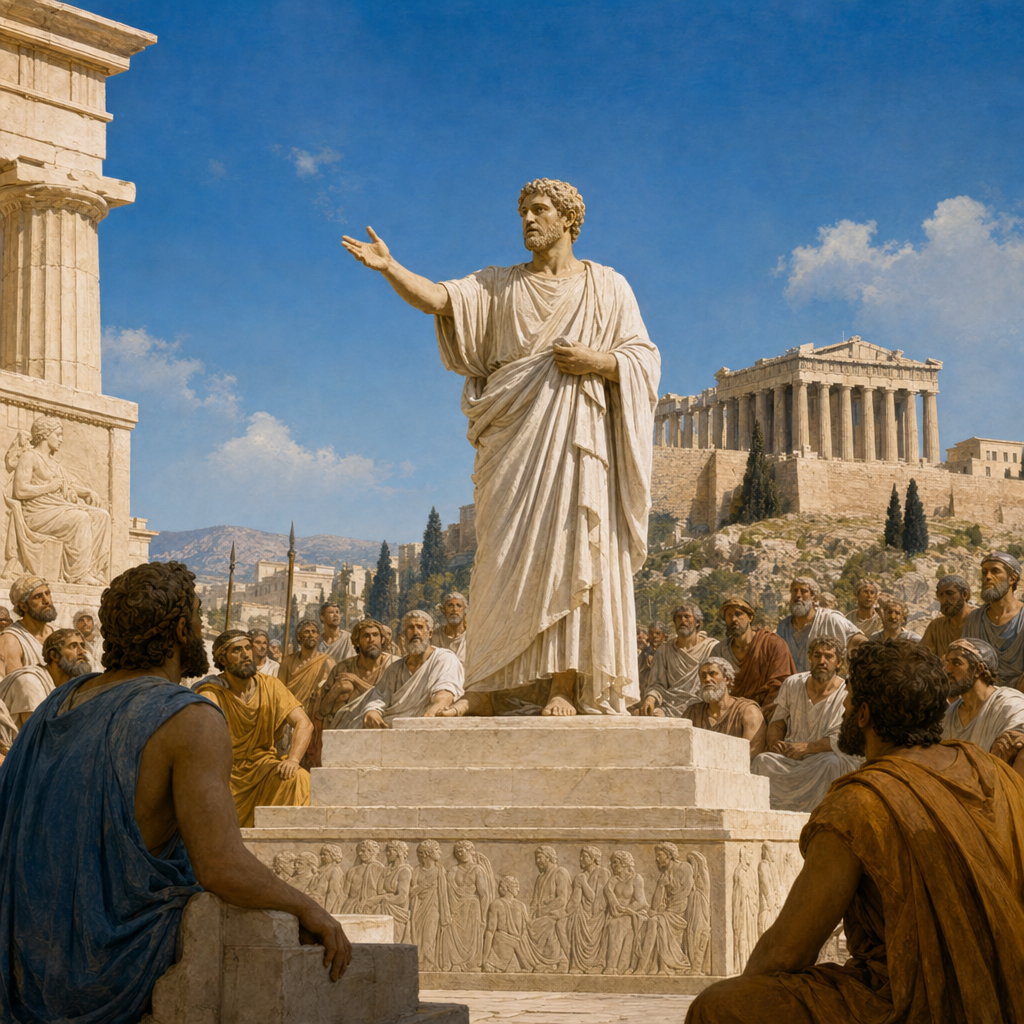
The Rhetoric is Aristotle's comprehensive account of the art of persuasion — the capacity to discover in any given case the available means of persuading. Against Plato's suspicion of rhetoric as mere flattery, Aristotle establishes it as a legitimate and teachable art with its own rational structure. He identifies three modes of persuasion — ethos (the speaker's character), pathos (the audience's emotion), and logos (the argument itself) — and introduces the enthymeme as the rhetorical equivalent of the syllogism. The work ranges across logic, ethics, psychology, and politics, making it the foundational text for the Western tradition of oratory, argumentation, and communication theory.

Buy on Amazon →
LogicPolitical Philosophy
Concepts
2
The Enthymeme
Logic
0 views
4m
Full text not available
This work isn't available to read here. You can find it at your local library or purchase a copy below.

As an Amazon Associate we earn from qualifying purchases.

Buy on Amazon
More by Aristotle
φ
Select a book or concept to begin
Philosophi