The Administered World
The "wrong life" is not a defect of individual moral character but a structural condition of late capitalist society. The administered world — the name Adorno gives to the society of the culture industry, bureaucratic organisation, and commodity exchange — colonises not just the economy and the state but the innermost life of its subjects: their desires, their relationships, their self-understanding. To attempt to live rightly within such a world is to use materials that are already corrupted; the very impulses and concepts one would use to construct a good life are products of the wrong life.
Critique of Moral Philosophy
Minima Moralia is in part a sustained critique of moral philosophy's characteristic move: abstracting from the social conditions of life to identify universal principles. Kant's autonomy of the rational will, Aristotle's virtuous character, Mill's greatest happiness — all of these presuppose subjects who can, in principle, realise these ideals within their existing social world. Adorno's point is that the world itself makes this presupposition false: the conditions of late modernity systematically deform the subjects who inhabit them, making genuine autonomy, genuine virtue, and genuine happiness structurally impossible.
The Role of Critique
The impossibility of right life in the wrong world does not lead Adorno to moral silence. What remains is critique: the relentless exposure of the gap between the good life that is promised and the damaged life that is delivered. This critique is not optimistic — it does not promise that naming the wrong will lead to its correction — but it is not merely negative either. In articulating what wrong life is, it preserves the concept of the right life as a possibility that remains unfulfilled, a standard against which the existing order is found wanting.
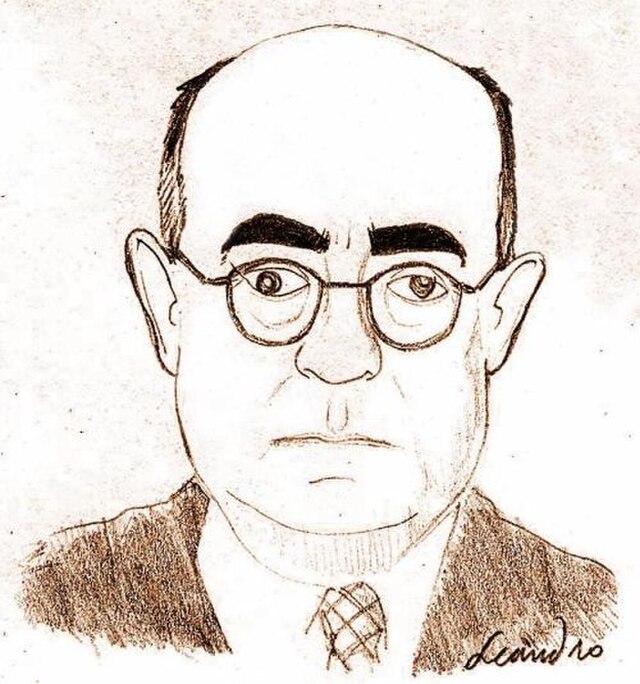
The aphorism "Wrong life cannot be lived rightly" (Es gibt kein richtiges Leben im falschen) appears in §18 of Minima Moralia (1951), in a reflection on the morality of the private sphere. It has been widely translated and is one of the most cited sentences in critical theory.
Related Concepts