The Categorical Imperative
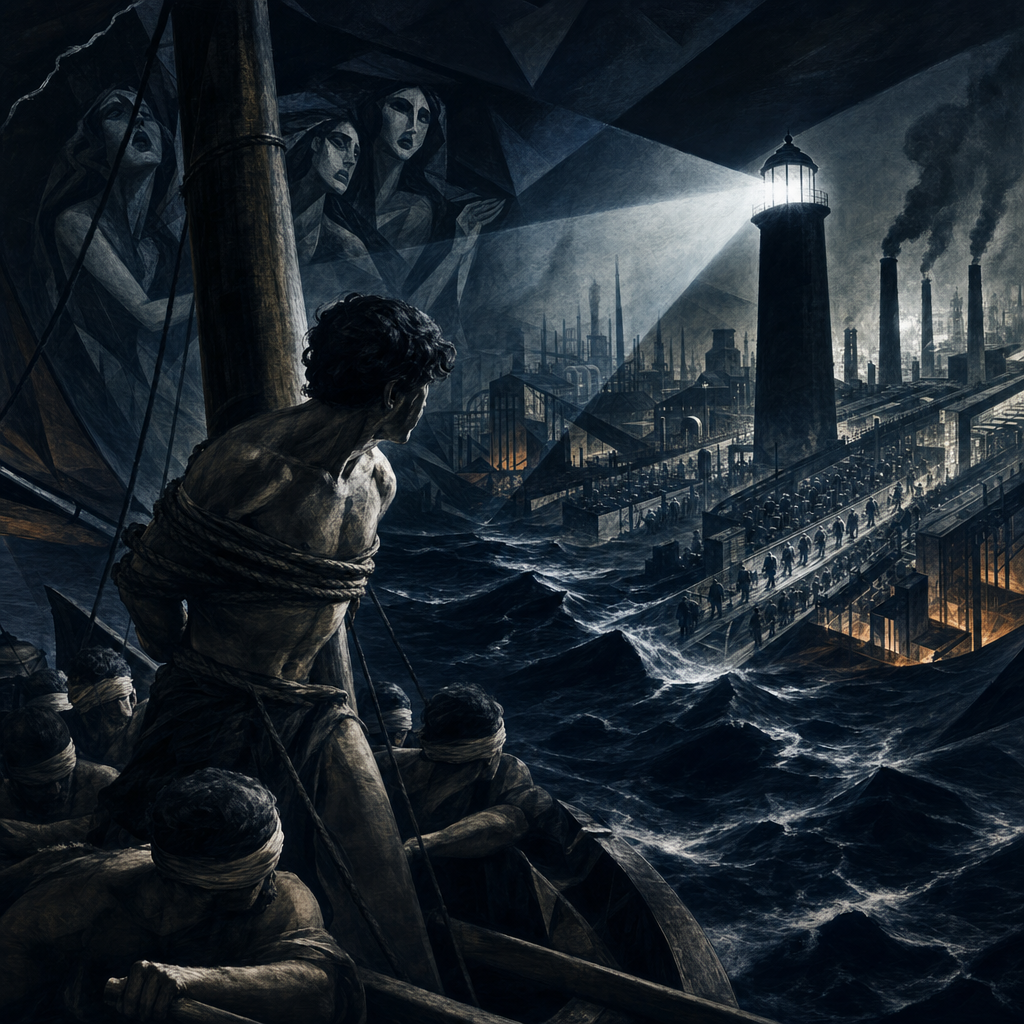
Adorno reformulates Kant's categorical imperative in the light of Auschwitz: "A new categorical imperative has been imposed by Hitler upon unfree mankind: to arrange their thoughts and actions so that Auschwitz will not repeat itself, so that nothing similar will happen." This is not a philosophical derivation but a moral demand that precedes philosophy — the bedrock minimum that thought must accept before it can begin. It does not ground morality in the autonomy of rational subjects; it grounds it in the prohibition of a concrete, determinate horror.
The Impossibility of Poetry
Adorno's notorious statement — "to write poetry after Auschwitz is barbaric" — is often misread as a prohibition on art. His point is subtler: art that makes Auschwitz aesthetically pleasing, that resolves the horror into beautiful form, that consoles rather than disturbs, is indeed barbaric. But the alternative is not silence. Art after Auschwitz must carry the unresolved weight of what happened — must find forms that refuse consolation and insist on the rupture, without either aestheticising suffering or lapsing into mere illustration of atrocity.
Guilt and Survival
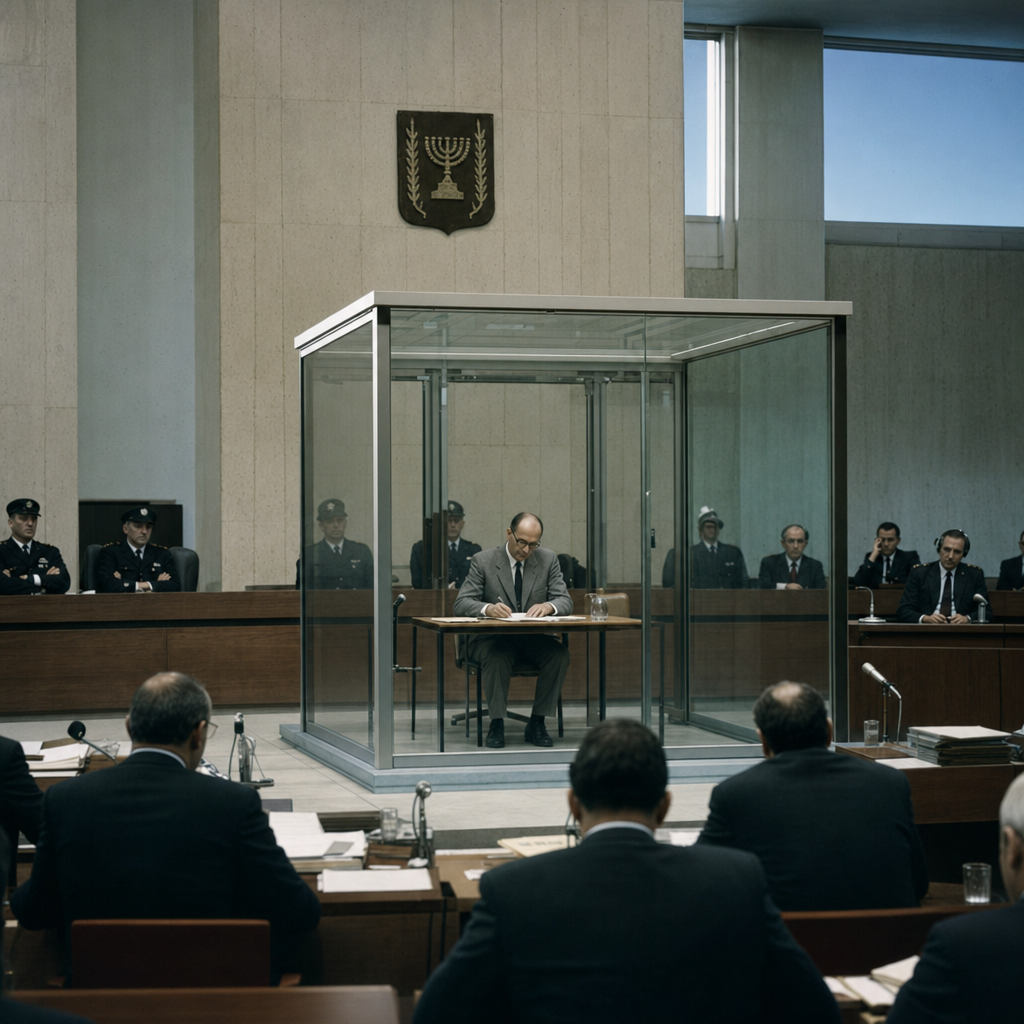
Adorno writes, with characteristic honesty, of his own guilt at having survived: "Perennial suffering has as much right to expression as a tortured man has to scream; hence it may have been wrong to say that after Auschwitz you could no longer write poems. But it is not wrong to raise the less cultural question whether after Auschwitz you can go on living." The meditation on Auschwitz is not external to Negative Dialectics but its existential ground — the event that makes the demand for non-identical thinking not merely theoretical but morally urgent.
The meditations on Auschwitz appear in the final section of Negative Dialectics (1966), "Meditations on Metaphysics." The statement on poetry and barbarism first appeared in an essay of 1949 and was famously revised and qualified by Adorno in a 1962 essay, "Commitment."
Related Concepts