From Metaphysics to Natural Science
Schopenhauer's move in this book is bold: to take the findings of physiology, comparative anatomy, botany, and physical astronomy and show that they are best interpreted as confirmations of his voluntarist metaphysics. The physiologists who study the body's mechanisms without asking what drives them, the botanists who describe plant behaviour without acknowledging the will that animates it — they are all studying the will under its phenomenal aspect, without recognising what they are doing. Schopenhauer offers to name what natural science can describe but not explain: the inner nature that is everywhere present and everywhere driving.
Gravity, Magnetism, and the Will
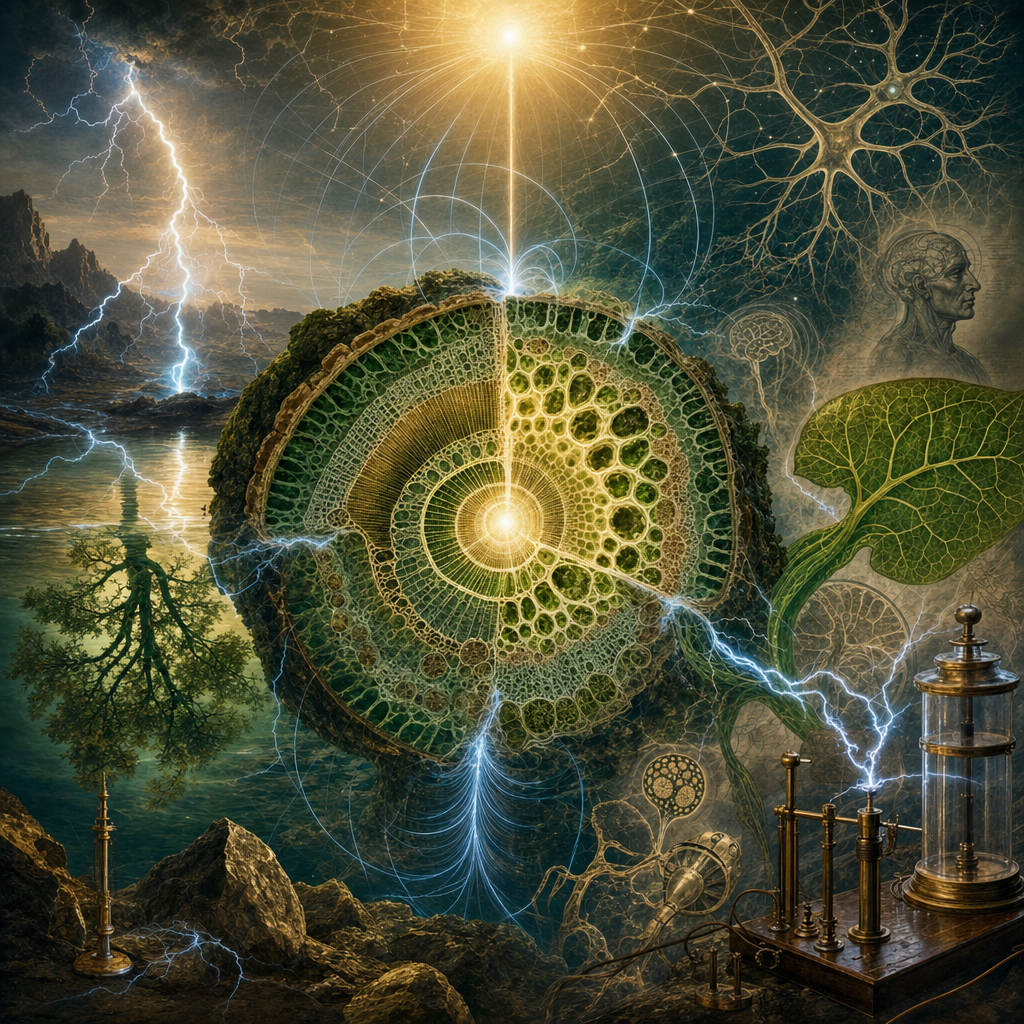
Physical forces — gravity, magnetism, electricity — are not mere mathematical abstractions; they are expressions of the will at its most elementary level. Gravity's insatiable tendency toward concentration, the magnet's orientation along field lines, the crystal's drive toward its own regular form — all exhibit the fundamental character of will: purposive striving that is not accompanied by consciousness or cognition. The difference between these forces and human desire is not one of kind but of degree of objectification, of how transparently and complexly the will has expressed itself in the given phenomenon.
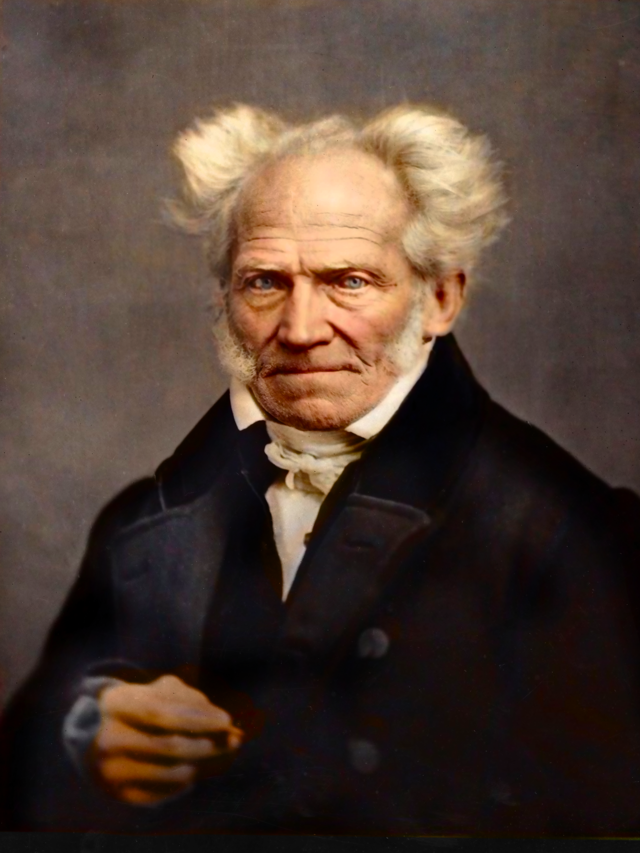
On the Will in Nature was first published in 1836. Schopenhauer revised it for the 1854 edition and regarded it as an important supplement to his main work, particularly for readers trained in the natural sciences who might be more persuaded by empirical evidence than by purely philosophical argument.
Related Concepts