Phenomena and Noumena
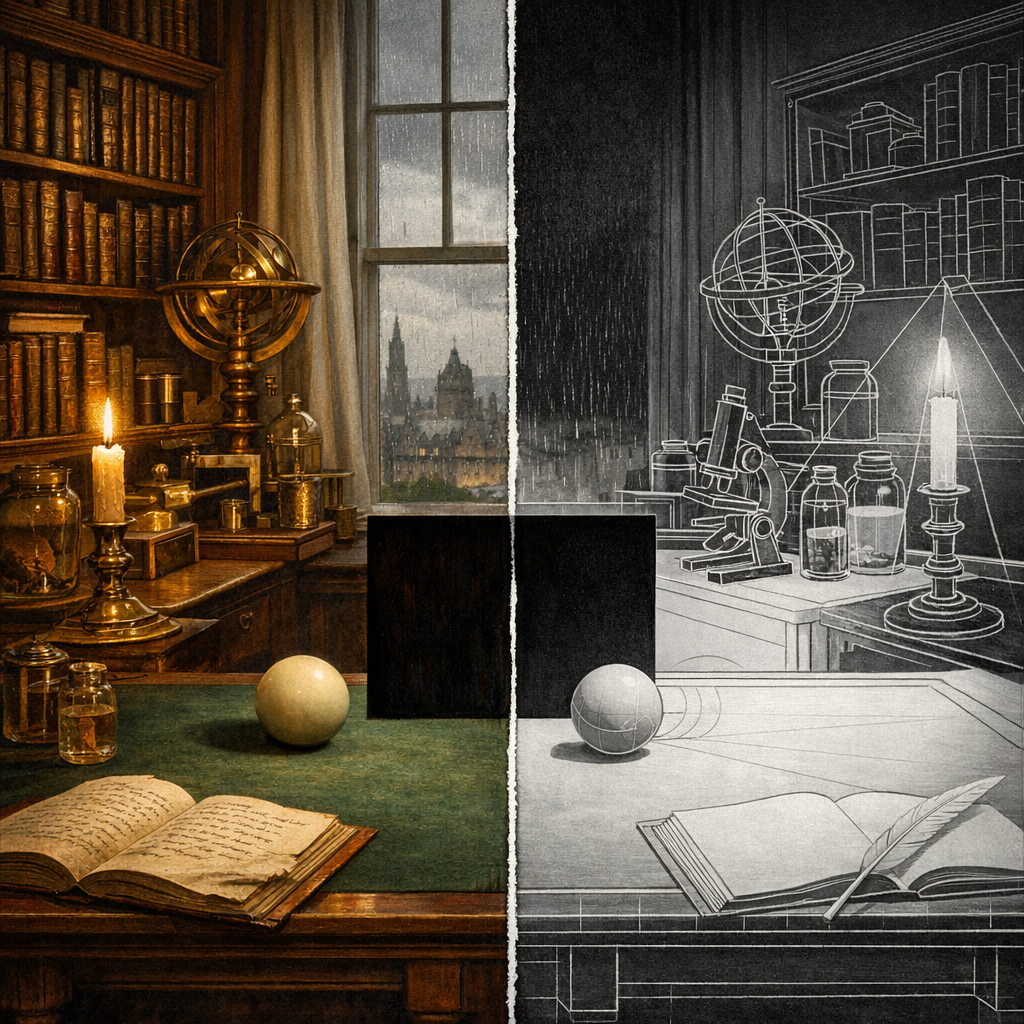
Kant distinguishes sharply between phenomena — things as they appear to us — and noumena — things as they are in themselves. We have genuine knowledge only of phenomena, which are constituted by the forms of sensibility and the categories of understanding. The noumenal world is not contradictory or mythical; it simply lies beyond the reach of any possible experience and therefore beyond the reach of any theoretical knowledge.
Space and Time as Forms of Intuition
The Prolegomena argues that space is the form of outer intuition and time the form of inner intuition. These are not properties of things themselves but conditions under which anything can appear to us. This explains how geometry and arithmetic can be both necessary (since they derive from the pure forms of intuition) and applicable to experience (since all experience is given through these forms).
The Copernican Turn
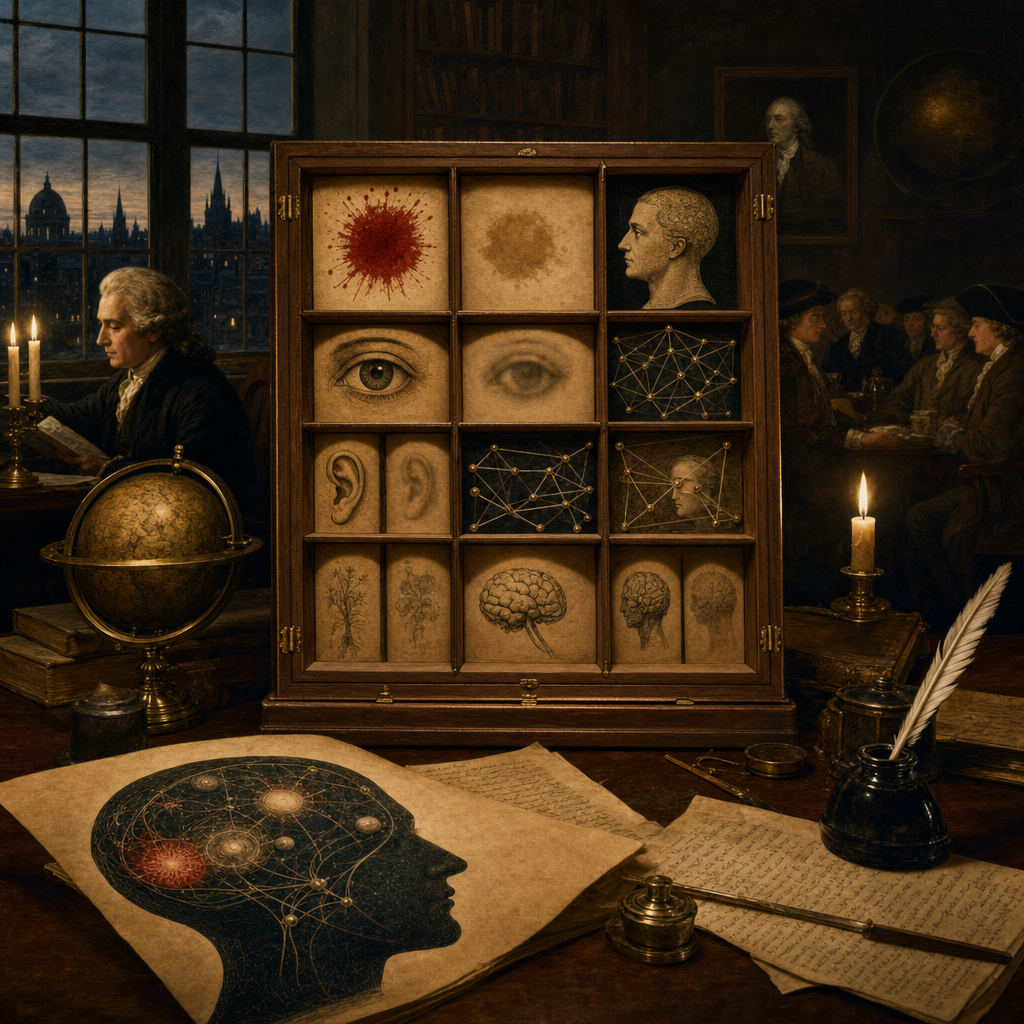
Kant compares his discovery to Copernicus's revolution: rather than asking how the mind conforms to objects, he asks how objects conform to the mind. Experience is not the passive reception of a ready-made world but the active construction of experience under the conditions imposed by sensibility and understanding. This 'Copernican turn' reframes the entire tradition of epistemology.
Transcendental idealism is summarised in the General Remark following the Prolegomena's first part and elaborated throughout the Critique of Pure Reason.
Related Concepts