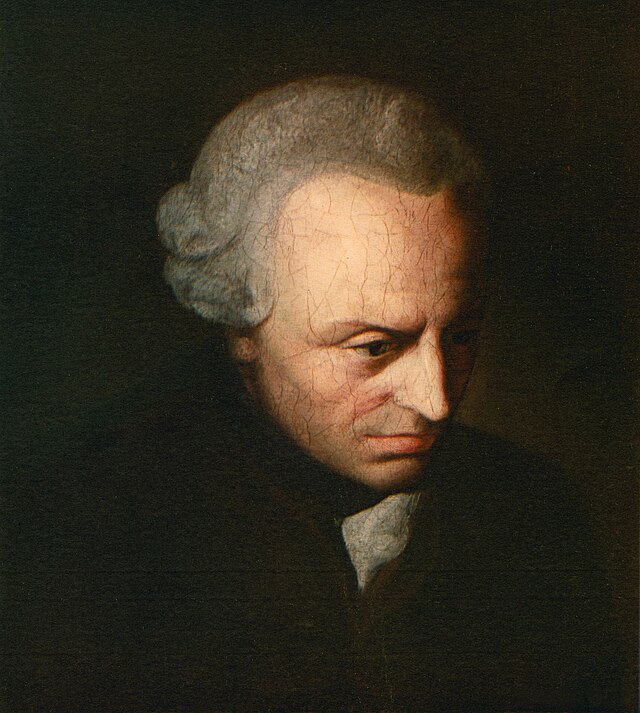
Analytic and Synthetic Judgments
An analytic judgment merely unpacks what is already contained in a concept: 'All bachelors are unmarried' tells us nothing new. A synthetic judgment adds something beyond the concept: 'The cat is on the mat' connects two things that are not logically related by definition. Most empirical knowledge is synthetic — it extends our understanding of the world.
The A Priori Puzzle
A priori knowledge is knowledge independent of experience — necessary and universal. Mathematics and the principles of physics seem to be both a priori (not derived from observation) and synthetic (genuinely informative). How is this possible? This is Kant's guiding question. If all a priori knowledge were analytic, it would be sterile. If all synthetic knowledge were empirical, it would lack necessity. Mathematics and physics show that neither option exhausts the possibilities.
Transcendental Investigation as the Answer
Kant's answer is that the mind actively structures experience through pure intuitions (space and time) and pure concepts (categories). Mathematical truths hold because space and time are the forms of our intuition; the laws of physics hold because the categories are the conditions under which any experience is possible at all. Synthetic a priori knowledge is possible because the knowing mind contributes structure to experience.
The question of synthetic a priori judgments is posed in the Preamble of the Prolegomena and answered throughout its three parts.
Related Concepts