From False Goods to the True
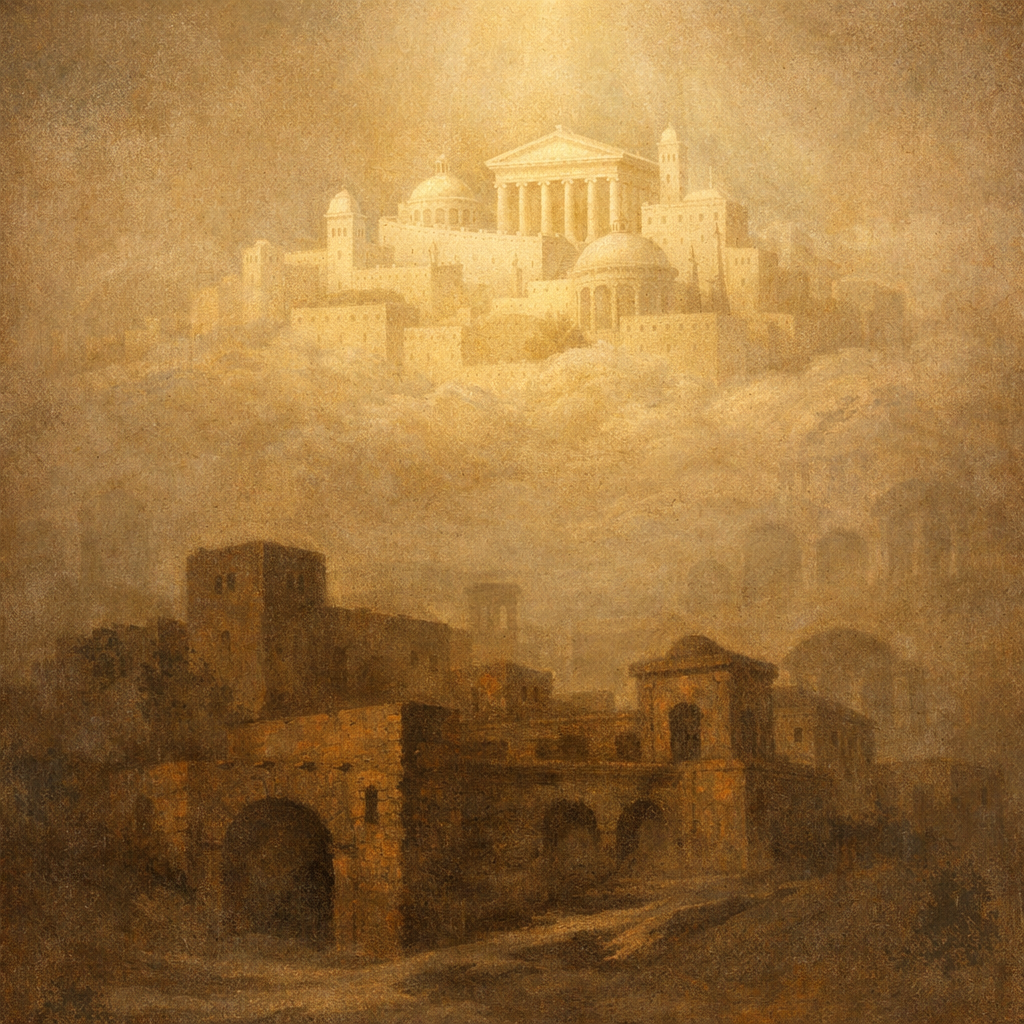
Book III opens with Boethius still wounded but now curious. Philosophy has expelled the bitterest grief; now she turns to doctrine. She moves systematically through the apparent goods—wealth, rank, power, fame, pleasure—and shows that each fails: they are limited, dependent on circumstance, unable to deliver the contentment they promise, and often harmful to those who possess them. Whatever the true good is, it must be the opposite of all this.
The argument then turns constructive. If the true good exists (and Philosophy argues it must), it must be complete, self-sufficient, and the source of all lesser goods. Contentment, power, reverence, renown, and joy are all pursued as goods; therefore the true good must contain all of them. These goods cannot be combined by any earthly thing, but they can be unified in a single principle. Philosophy calls this principle 'perfect happiness,' and then makes her key identification.
From all which it is transparently clear that the essence of absolute good and of happiness is one and the same.
God as Happiness
Having established that the highest good and perfect happiness are identical, Philosophy then completes the syllogism: God is the highest good (a claim from the Platonic tradition that Boethius takes as established). Therefore God is perfect happiness. And since the happy person participates in happiness, the happy person participates in the divine. This is a philosophical restatement of a deeply religious intuition—but Boethius reaches it by argument alone, without appealing to scripture or revelation.
The Inner Turn
The practical implication is significant: if the highest good is God, and God is not a gift of Fortune, then happiness is not something that can be taken away. The person who orients themselves toward God rather than Fortune's wheel is not vulnerable to Fortune's turning. This is not stoic resignation but an active reorientation—a turn inward and upward, toward the good that is always available to the rational soul.
The proof that absolute good and happiness are identical appears in Book III, prose section X. The Platonic background is the Form of the Good from the Republic; the Augustinian background is the restless heart of the Confessions.
Related Concepts