The Simultaneous Breakthrough
In China, Confucius, Laozi, and the Hundred Schools flourished. In India, the Upanishads were composed and the Buddha and Mahavira taught. In Iran, Zoroaster proclaimed his vision of cosmic moral struggle. In Palestine, the Hebrew prophets — Elijah, Isaiah, Jeremiah — transformed Israelite religion. In Greece, Homer, the Presocratics, Socrates, Plato, and Thucydides were active. These developments were independent of each other — there is no evidence of significant contact — yet they share remarkable structural features: reflection on the human condition as a whole, critique of unreflective tradition, the emergence of individual spiritual responsibility, and the articulation of universal ethical principles.
What Changed
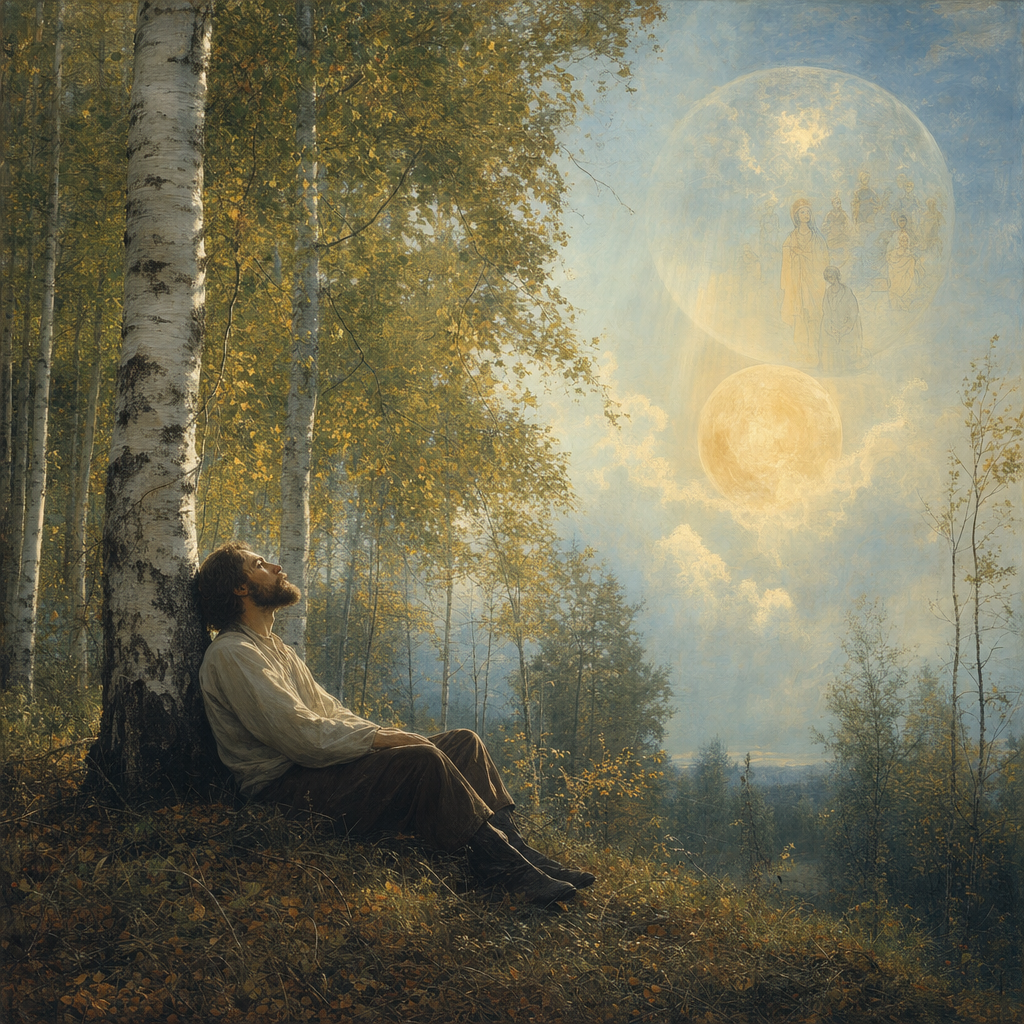
Before the Axial Age, great civilisations had flourished — Egypt, Mesopotamia, the Indus Valley — but within the framework of mythological worldviews that took the cosmic and social order as given. The Axial breakthrough was the emergence of reflective consciousness: the individual stepping back from tradition and myth to ask why, to examine the foundations of custom, to hold her own existence up to scrutiny. The philosopher, the prophet, and the sage all emerge at this moment — human types that did not exist before and that cannot be uninvented.
The Axial Age and the Present
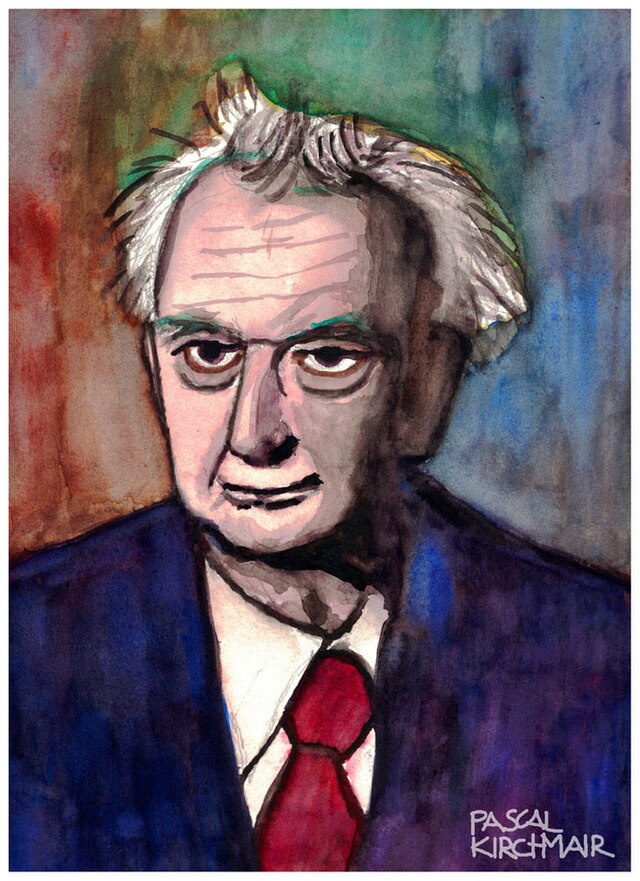
Jaspers uses the Axial Age as a standard by which to measure modernity and to ask whether a second Axial breakthrough is possible. Modern science and technology have transformed the material conditions of human life far more radically than anything in the first Axial Age — but at the cost of a spiritual hollowing-out. The challenge of the present is to achieve a second Axial breakthrough: a new mode of spiritual and philosophical reflection adequate to the planetary scale and existential stakes of modern life, able to draw on all the traditions of the first Axis rather than just one.
The Axial Age concept was introduced in The Origin and Goal of History (1949) and has been enormously influential in comparative religion, philosophy of history, and cultural sociology. The concept has been developed by scholars including Robert Bellah, S.N. Eisenstadt, and Karen Armstrong.
Related Concepts