Three Kinds of Poverty
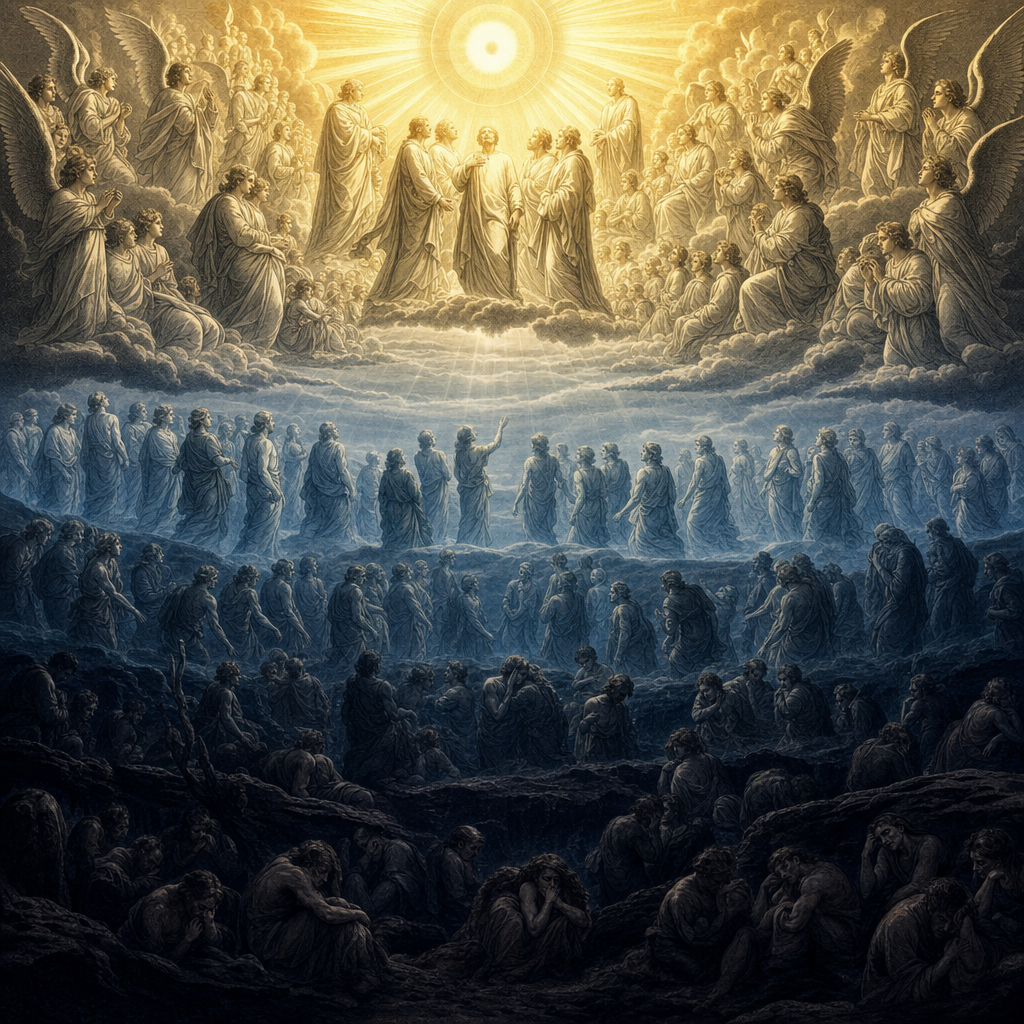
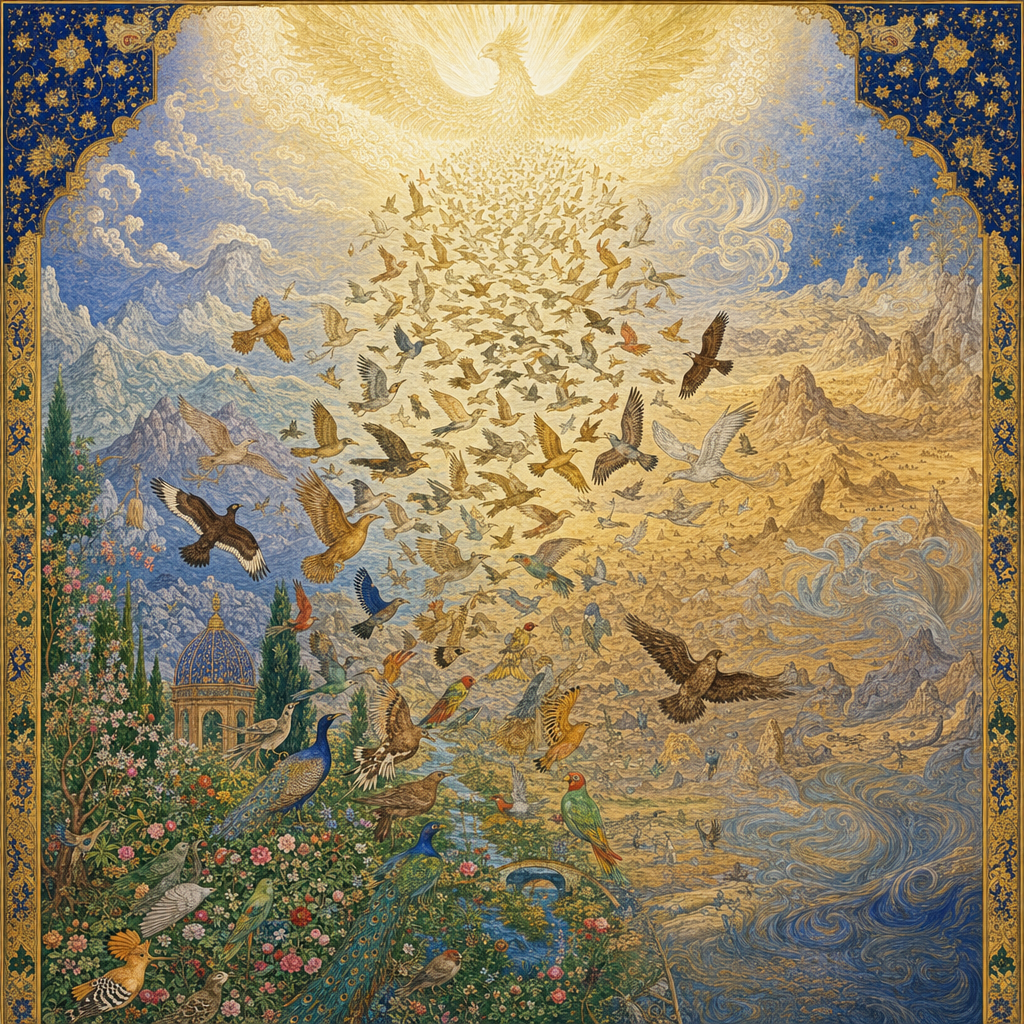
Eckhart distinguishes poverty of goods, poverty of will, and poverty of spirit. The first is commendable but external; the second is deeper but still a spiritual achievement the self can take credit for. The third is the most complete: wanting nothing, not even union with God; knowing nothing, not even that one is united with God; having nothing, not even the place in the soul where God can dwell. At this point, the self that wanted things has dissolved, and what remains is pure receptivity.
God Must Act
The metaphysical consequence is astonishing: a soul in complete poverty compels God. Because God's nature is to give himself to whatever can receive him, and because total poverty is total receptivity, God has no choice but to act in the poor soul. Eckhart puts this in deliberately provocative terms: God is more in need of us than we are in need of God, because God needs a place in which to pour out his goodness, and the poor soul provides that place.
Before Creation
The deepest poverty takes the soul back before its own creation: "When I stood in my first cause, I had no God." In the ground, before the differentiation of Creator and creature, there was simply being — undivided, uncreated, without the distinction between the giver and the recipient of grace. Poverty of spirit is the recovery of this primordial state: not as a regression but as the fullest realisation of what the soul always essentially was.
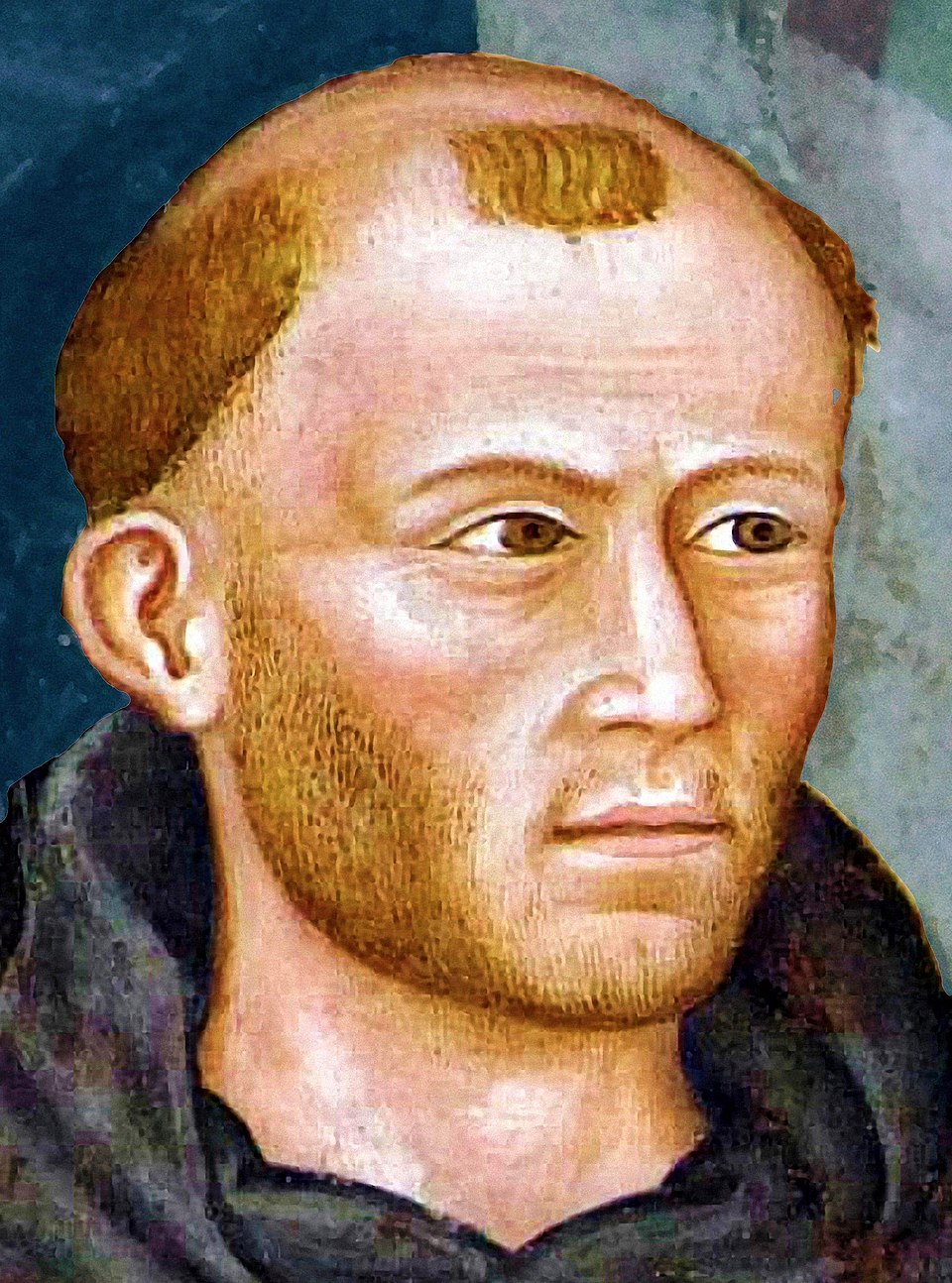
Sermon 52 (Beati pauperes spiritu) is among Eckhart's most studied and controversial texts. The claims that the soul had no God in its first cause and that God needs us as we need God were among the articles cited in the papal condemnation.
Related Concepts