The Split Self
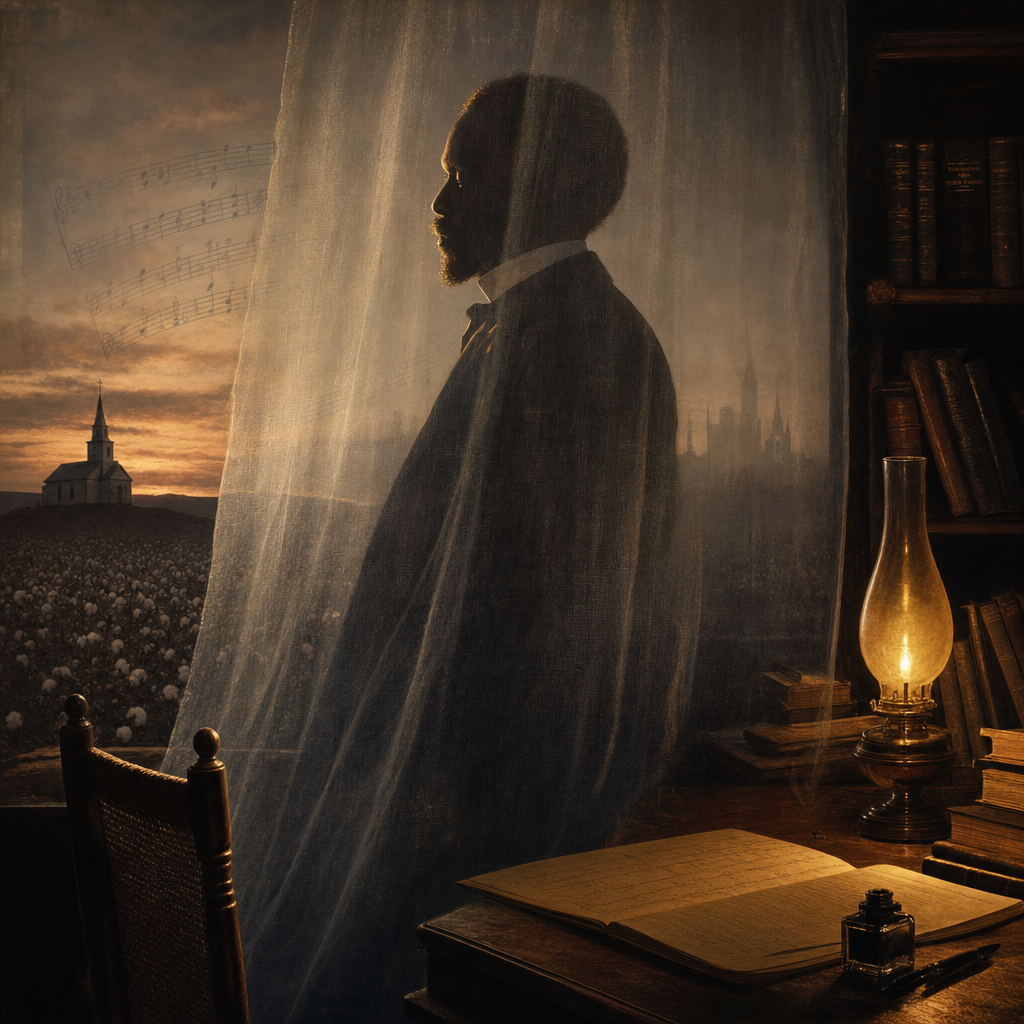
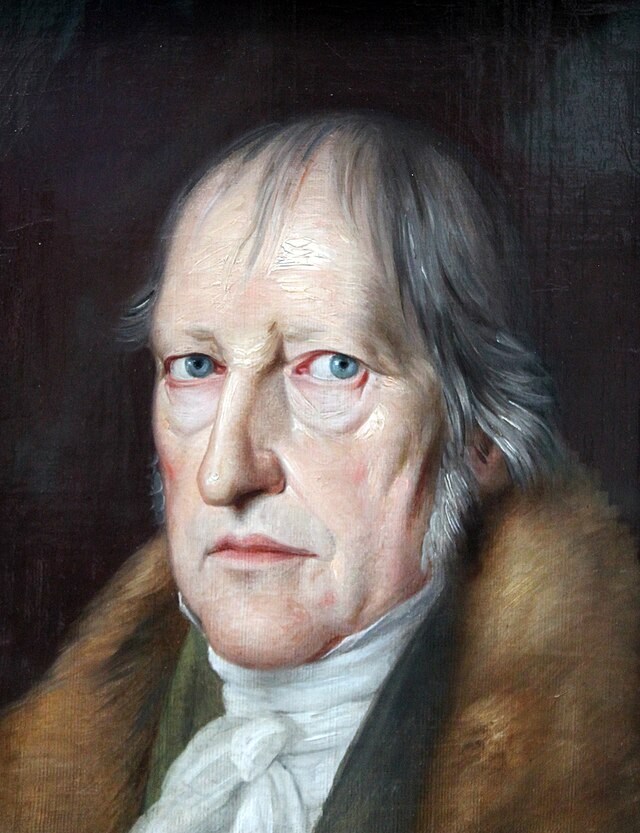
After the stoic and sceptic attempts to achieve freedom by withdrawing from the world, consciousness discovers that it cannot simply think its way to unity. It is divided between two poles: the unchangeable (God, the eternal, the absolute) and the changeable (its own finite, embodied, particular existence). The unhappy consciousness identifies itself with the changeable but longs to belong to the unchangeable. It regards itself as fallen, inadequate, unworthy — and the gap between what it is and what it seeks is experienced as pain.
Medieval Religion
Hegel has in mind a specific historical form: medieval Christian piety. The devout soul mortifies the flesh, performs rituals, undertakes pilgrimages — all in an attempt to bridge the gap between its sinful particularity and the holy universal it worships. But every achievement only deepens the division. When the priest mediates between the soul and God, the soul experiences its own unworthiness more acutely. When it performs ascetic self-denial, the very act of denying the body confirms that the body is the problem — and thus reaffirms the split.
The Philosophical Diagnosis
For Hegel, the unhappy consciousness is not simply wrong — it has a real insight: consciousness genuinely is divided, and the longing for unity is genuine. What is wrong is the assumption that the unchangeable is utterly other, located in a transcendent beyond. The movement of the Phenomenology will eventually show that Spirit is the unity of the finite and infinite — not a harmony discovered by finding God elsewhere, but one achieved when consciousness recognises itself in the apparently alien absolute. The unhappy consciousness is a necessary stage in this journey.
Kierkegaard's concept of despair in The Sickness Unto Death is a direct response to the unhappy consciousness, though Kierkegaard refuses Hegel's resolution. For Kierkegaard, the movement is not toward philosophical self-recognition but toward the existential leap of faith — a move Hegel would regard as a failure of nerve before the demand of genuine conceptual thinking.
Related Concepts