The Function of Doctrine
Doctrines are not arbitrary impositions. They arise as attempts to articulate the meaning of religious experience in conceptually precise terms — to say what the experience discloses about God, the soul, and the universe. Good doctrine is responsive to experience and is revised as experience deepens. It provides a vocabulary that enables individuals to locate their own experiences within a shared framework, and it guards against the distortions and illusions to which uninterpreted experience is prone.
When Dogma Becomes Obstruction
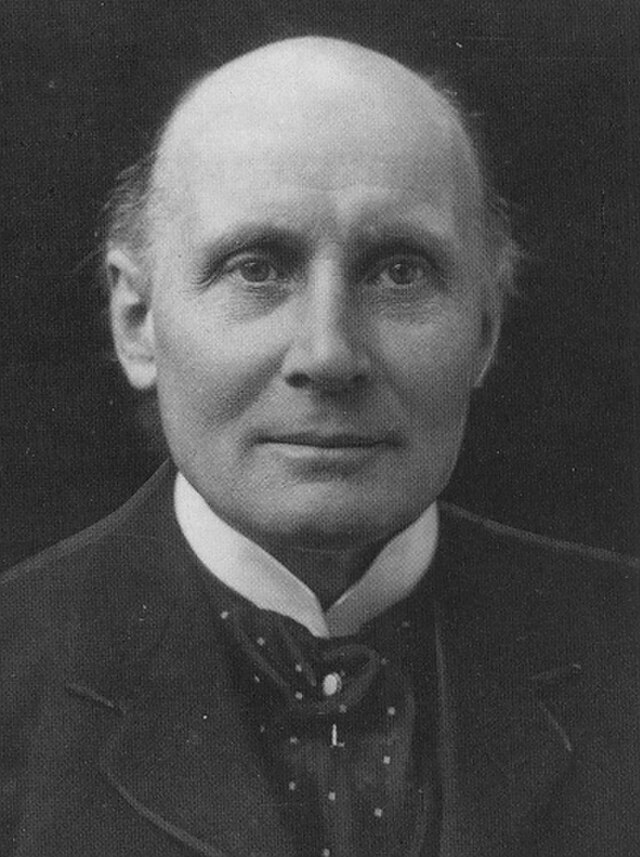
The pathology of dogmatism arises when the conceptual formulation is identified with the reality it was meant to capture. When a doctrine is treated as self-certifying and beyond revision — when the question "but is it true?" is ruled inadmissible — the living encounter that generated it is effectively suppressed. Whitehead sees this as a perennial religious temptation: the institution that originated to preserve and transmit an experience becomes the structure that prevents direct access to what the experience was about.
Religion as Self-Correcting
Whitehead's prescription is that religion should take the same attitude toward its own formulations that science takes toward its theories: hold them provisionally, submit them to the test of further experience, and be willing to revise them when they fail. This is not scepticism about religious reality but confidence in it — confidence that the reality is robust enough to survive honest inquiry. A religion afraid of rigorous examination is one that has quietly ceased to believe its own claims.
Religion in the Making was delivered as four Lowell Lectures in 1926, before a largely Christian audience. Whitehead's call for doctrinal revision was characteristically calm and generous rather than polemical, reflecting his view that the history of religion shows genuine — if slow and painful — moral and intellectual progress.
Related Concepts