Two Levels of Order
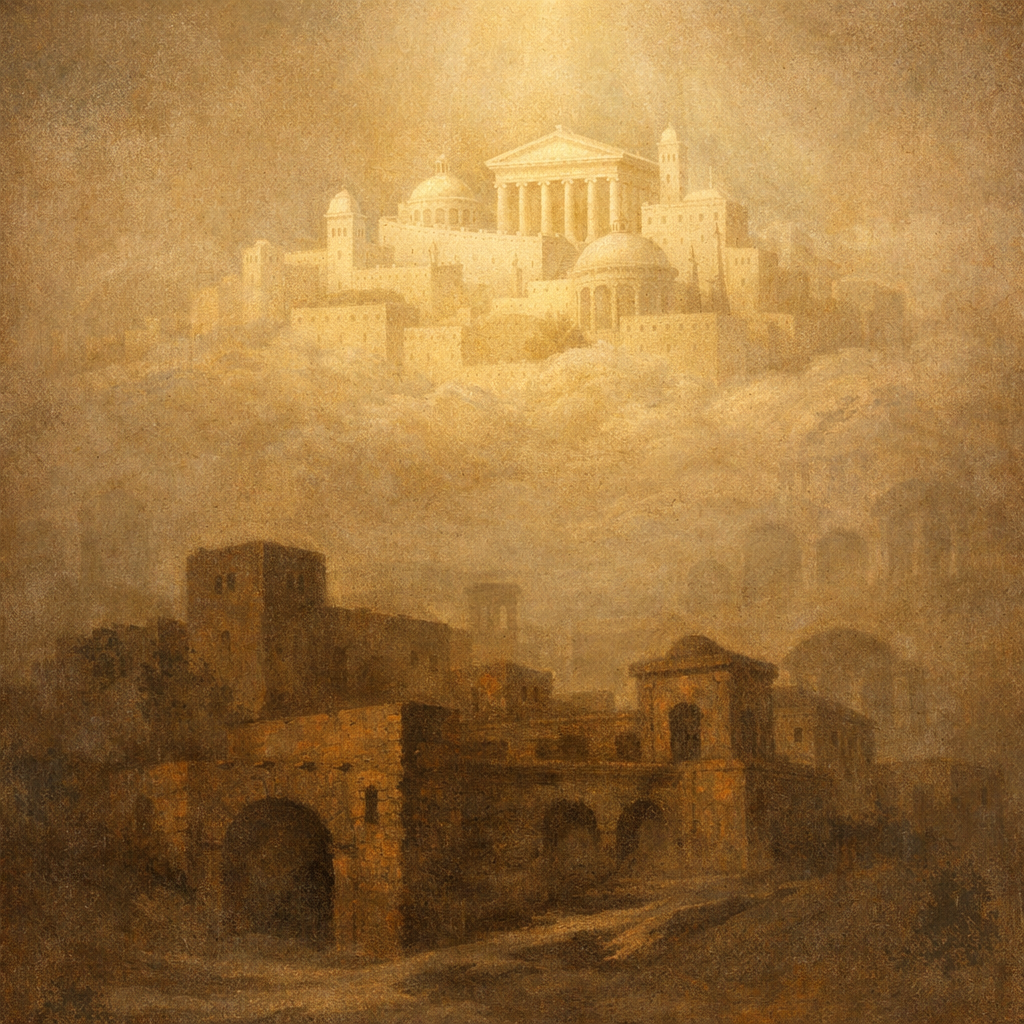
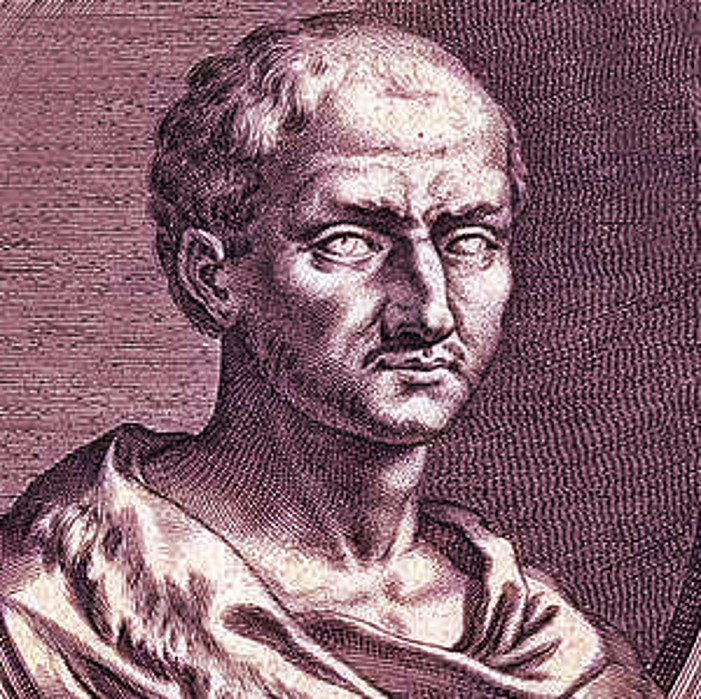
In Book IV, after Boethius has expressed bewilderment that wicked people seem to prosper while the good suffer, Philosophy introduces the distinction between Providence and Fate. These are not two separate powers but two aspects of a single divine governance, seen from different vantage points. From eternity, all things are ordered perfectly. From within time, the order is visible only in fragments.
Providence is the Divine reason itself, seated in the Supreme Being, which disposes all things; fate is the disposition inherent in all things which move, through which providence joins all things in their proper order.
The View from Eternity
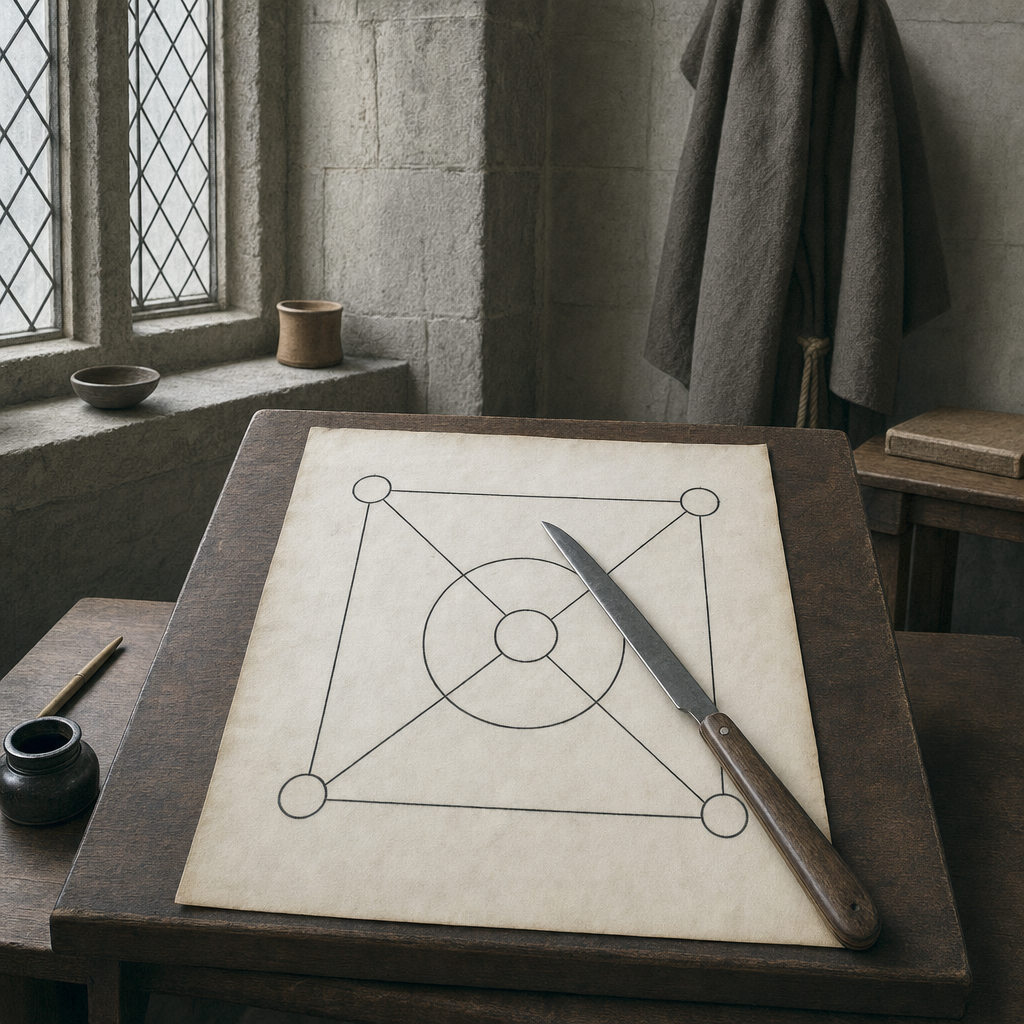
Providence embraces all things simultaneously—past, present, and future—in a single cognition. Fate is Providence's unfolding: the same plan distributed across the sequence of time, acting on individual things through secondary causes (heavenly motions, the influence of spirits, human reason and will). The further a thing is from the divine centre, the more it seems to be governed by chance and contingency. The closer it is—through reason and virtue—the more it participates directly in Providence and the less it is subject to mere Fate.
The suffering of the good and the success of the wicked, viewed from within time, looks like disorder. But Philosophy argues that every event in the temporal order has a reason within the eternal order, even if that reason is not visible to us. Adversity strengthens the virtuous; prosperity reveals the corrupt. What appears unjust from inside history is part of a justice that only the eternal perspective can survey.
The Practical Consolation
For Boethius in his cell, this is not an abstract metaphysical argument but a direct response to his situation. He is not suffering because the world is unjust but because his position in time and circumstance makes the justice invisible. Philosophy is not asking him to accept injustice but to relocate his perspective—to see his misfortune as a piece of a larger order, one that his reason can trace even if it cannot see the whole.
The distinction between Providence and Fate is developed in Book IV, prose section VI. It became a central concept in medieval theology, influencing Thomas Aquinas's treatment of divine government in the Summa Theologiae.
Related Concepts