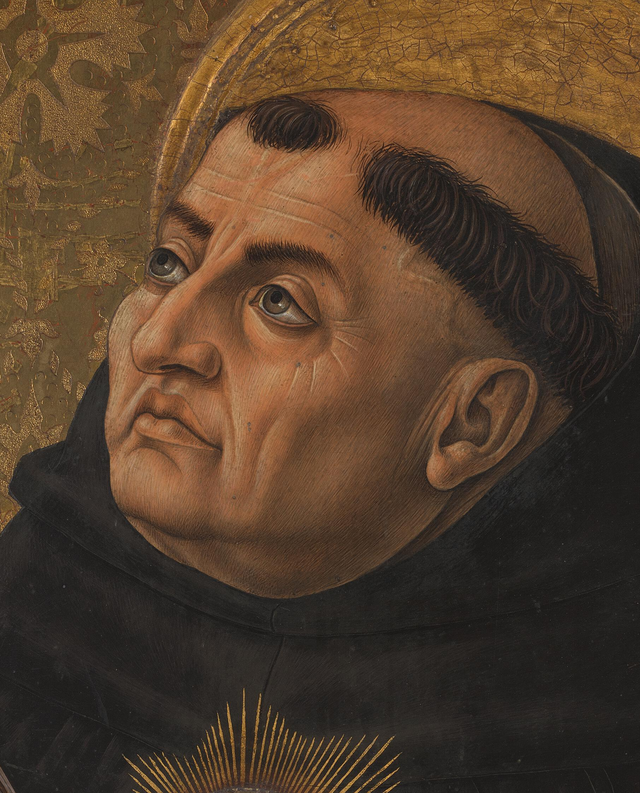
The Will as Self-Moving
The will, for Aquinas, is the appetite of a rational being — the power to tend toward goods as apprehended by reason. Unlike natural appetites that are determined by their objects (fire always tends upward, stones always fall), the rational will is undetermined with respect to particular goods: it can pursue or refuse any finite good, because the intellect can always consider whether this good is truly and finally satisfying. Only the beatific vision — the direct knowledge of God as the complete good — would necessitate the will's assent. With respect to everything else, the will is free.
God Causes Freedom Itself
Aquinas's reconciliation of providence and freedom rests on a crucial distinction: God does not cause free acts the way a second cause compels a first cause to act. As the first cause of being itself, God causes the will to exist, to act, and to act freely — God works within the will, not against it. The will's freedom is itself a gift of providence, not a limitation on it. Just as God causes fire to burn by giving fire its nature, God causes the will to choose freely by giving the will its nature as a self-moving power oriented toward the good.
Responsibility and Sin
If God moves the will to act, can human beings be held responsible for sin? Aquinas insists they can: sin is a deficiency in the will's act, and deficiency is not something God causes. Just as a lame man's limp is caused by the man's lameness and not by the power that moves him to walk, the moral disorder in a sinful act is traceable to the will's failure — its turning from the order of reason — and not to the divine movement that sustains the act's being. The being of the sinful act comes from God; the disorder that makes it sinful comes from the created will.
Disputed Questions on Truth, Question 24, is the fullest early treatment of free will in Aquinas. The mature position is stated in Summa Theologiae I Q.83 (on free will) and I–II QQ.9–10 (on the will and its movements).
Related Concepts