The Uncomfortable Neighbour
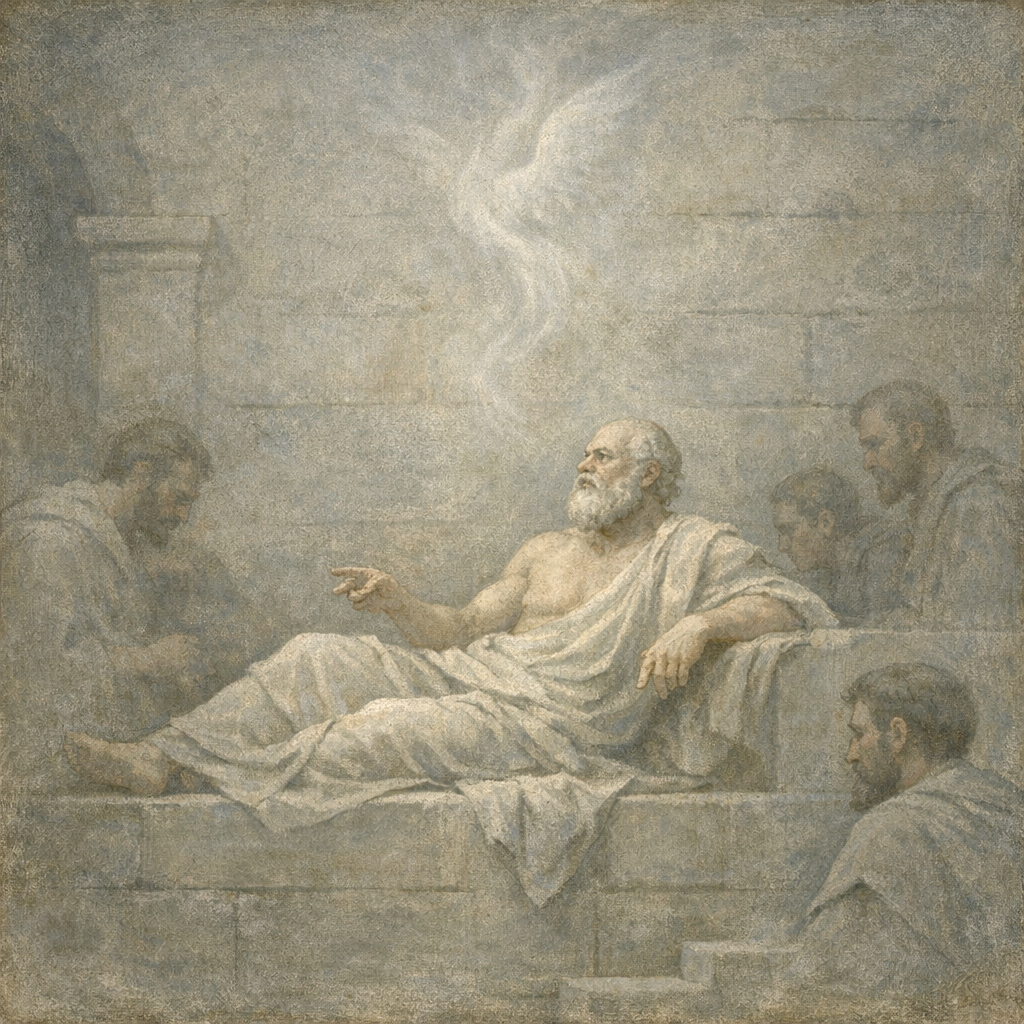
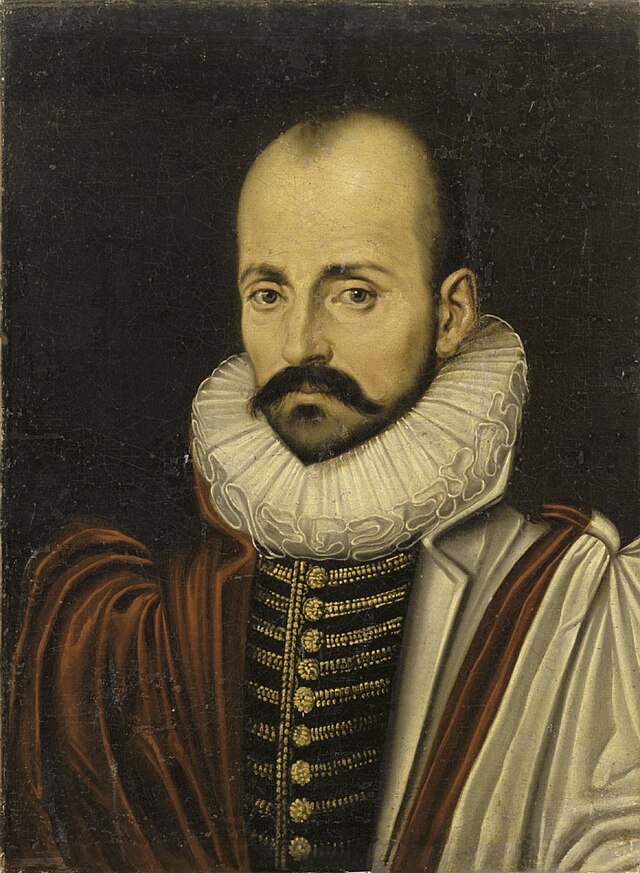
Most people banish the thought of death entirely — they gallop and dance, writes Montaigne, and not a word of death. Yet this evasion extracts a hidden price. Every joy is shadowed by the knowledge that it ends; every plan is hostage to the moment we have not prepared for. The man who refuses to think about dying does not escape it; he simply arrives at it bewildered and unprepared.
Montaigne proposes the opposite remedy: let us have death not only in our imaginations, but in our mouths and before our eyes. By keeping the image of death familiar — as a dinner guest, as a topic of conversation, as a constant companion — we rob it of the terror that comes from strangeness. What we rehearse, we can endure.
Liberty Through Acceptance
Where death waits for us is uncertain; let us look for him everywhere. The premeditation of death is the premeditation of liberty; he who has learned to die has unlearned to serve.
This is the essay's central inversion: death is not the enemy of life but its liberator. The person who has come to terms with mortality can no longer be coerced by threats, bought by promises of longer life, or enslaved by fear of loss. Montaigne draws a direct line from philosophical acceptance of death to practical freedom in the world.
Nature as Teacher
Montaigne ends by letting Nature speak directly: Go out of this world as you entered into it. Death is not a rupture but a return — our brief individuality borrowed from the same cycle that will claim us back. The philosopher's task is not to defeat death but to understand it clearly enough that it no longer governs us through fear.
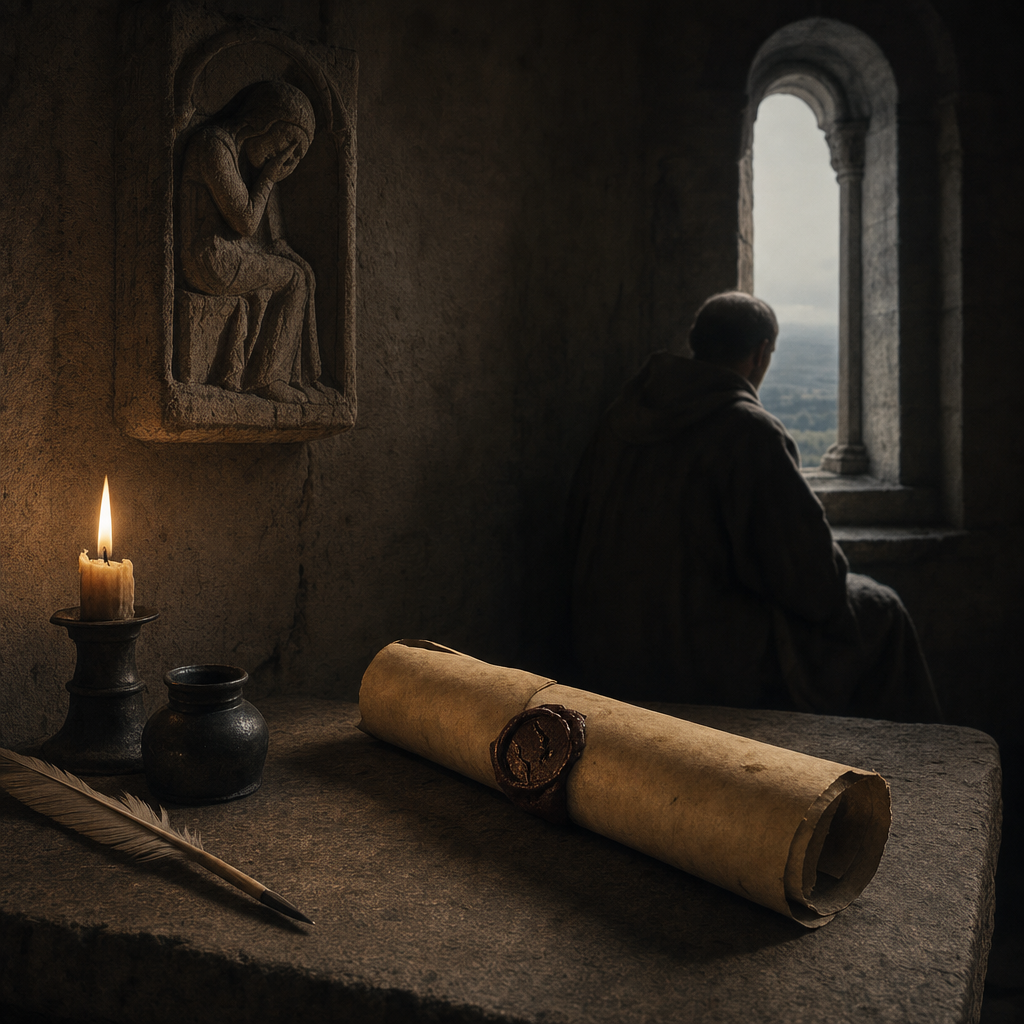
From Book I, Chapter XIX of the Essays (Cotton translation, 1685–6, revised Hazlitt). Montaigne's argument here draws heavily on the Stoic and Epicurean traditions, particularly Seneca's Letters and Lucretius's On the Nature of Things.
Related Concepts