Rights Without Law Are Fiction
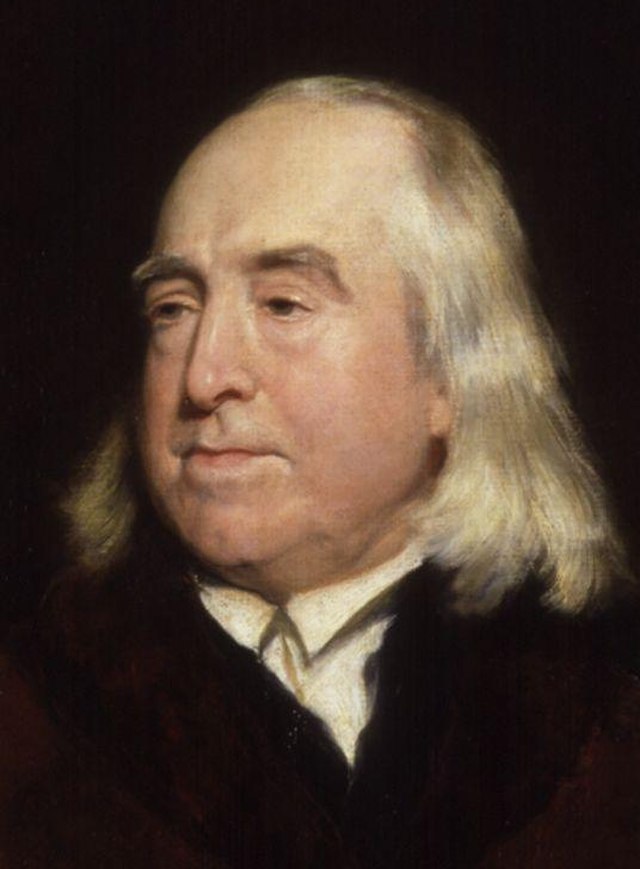
Bentham's argument is ontological before it is political. Rights, properly understood, are creatures of law: they exist when and because a legal system creates obligations on others to refrain from or perform certain actions. A right without a corresponding legal duty is not a weak right — it is not a right at all. To speak of rights that exist prior to and independently of all law is to use a word without a referent. It sounds meaningful but describes nothing.
The Revolutionary Danger
The practical danger of natural-rights language is that it licenses unlimited resistance to law. If every person possesses imprescriptible rights that no government may touch, then any citizen who believes their natural rights have been violated has, in principle, grounds to resist. But natural rights, having no determinate content, can be construed by anyone to justify anything. The Declaration does not curb tyranny — it provides every faction with rhetorical weapons for claiming that resistance to its opponents is liberty. For Bentham, the Reign of Terror illustrates the predictable endpoint of founding a revolution on this kind of abstraction.
Reform Without Rights
Bentham is not opposed to the reforms the French revolutionaries sought. He favours freedom of speech, equality before the law, and the removal of aristocratic privilege — but on utilitarian grounds. These arrangements produce more happiness than their alternatives; that is sufficient to justify them, and that justification is precise and contestable. Natural-rights language, by contrast, forecloses argument rather than enabling it: you cannot reason with someone who claims an imprescriptible right, only fight them.
Anarchical Fallacies was written c. 1796 but not published in English until 1838–1843 in the Bowring edition; it first appeared in French translation in 1816.
Related Concepts