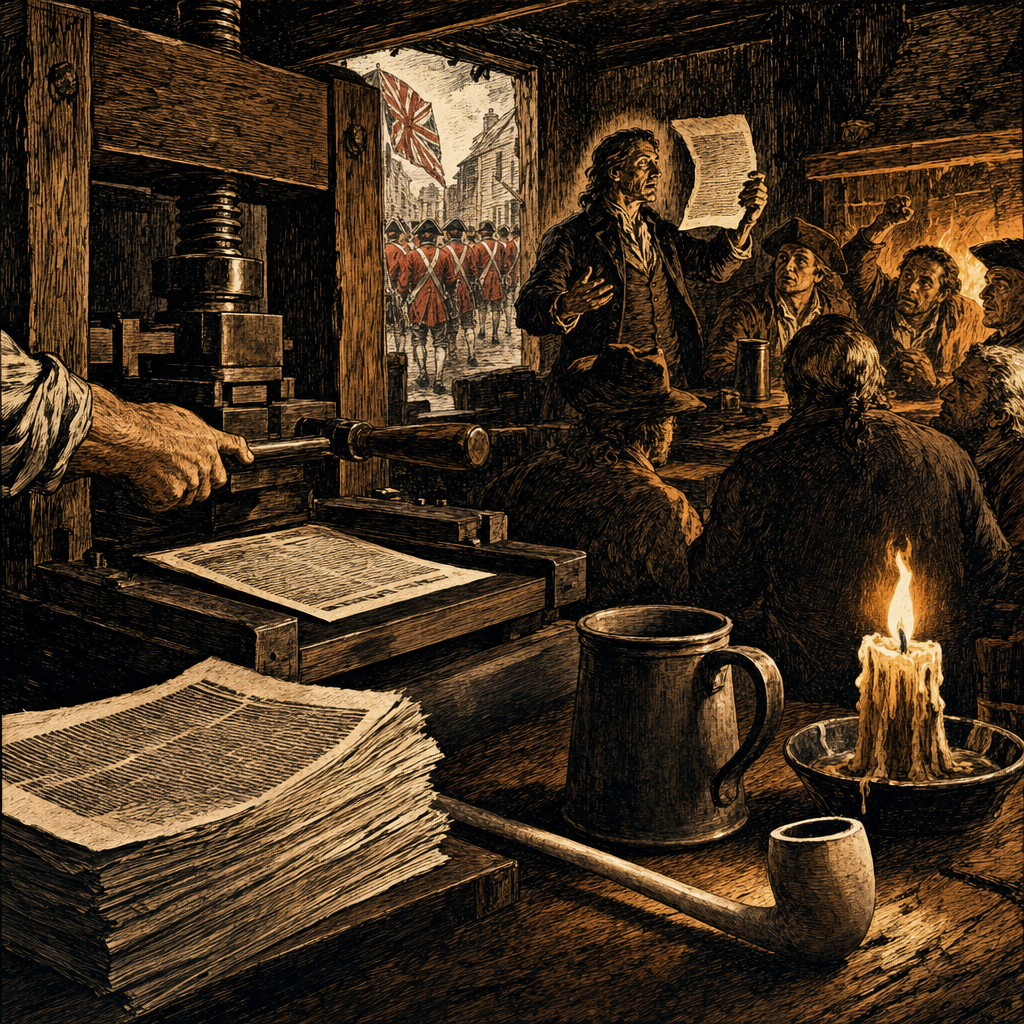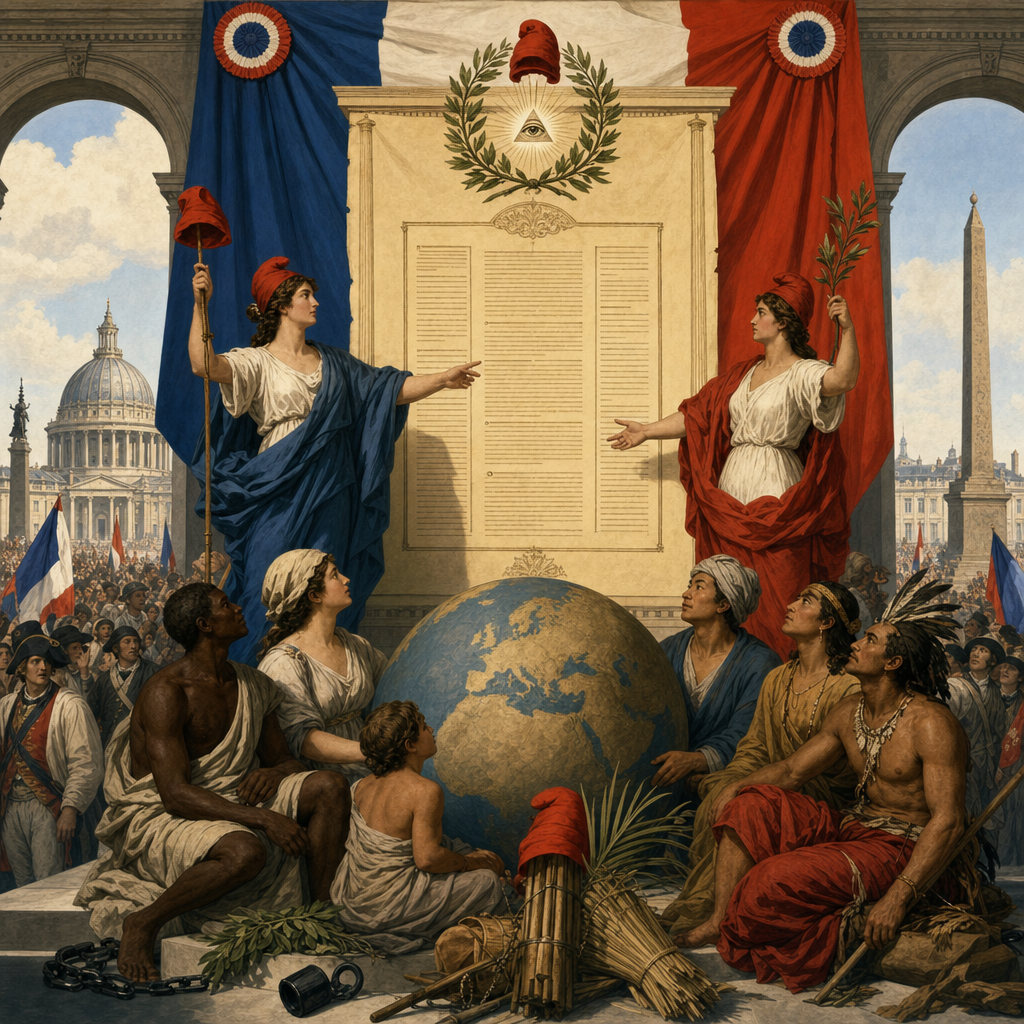
Written as a defence of the French Revolution against Edmund Burke's Reflections on the Revolution in France, Rights of Man became the foundational text of modern democratic radicalism. Paine dismantled Burke's appeal to tradition and prescription, arguing that no generation can bind its successors — that the living have rights the dead cannot abolish. The first part, published in 1791, defends the Declaration of the Rights of Man; the second part, published in 1792, goes further to outline a welfare state funded by progressive taxation, including old-age pensions, public education for poor children, and maternity grants. Prosecuted for seditious libel in Britain and forced to flee to France, Paine became a hero in France and an outlaw in England. Rights of Man remains the clearest statement of the case that government derives its legitimacy from the natural rights of the individuals it governs.
This work isn't available here yet. In the meantime you can purchase a copy on Amazon, or check back later, as we are always adding books to our library.
As an Amazon Associate we earn from qualifying purchases.