What Makes a Right Real
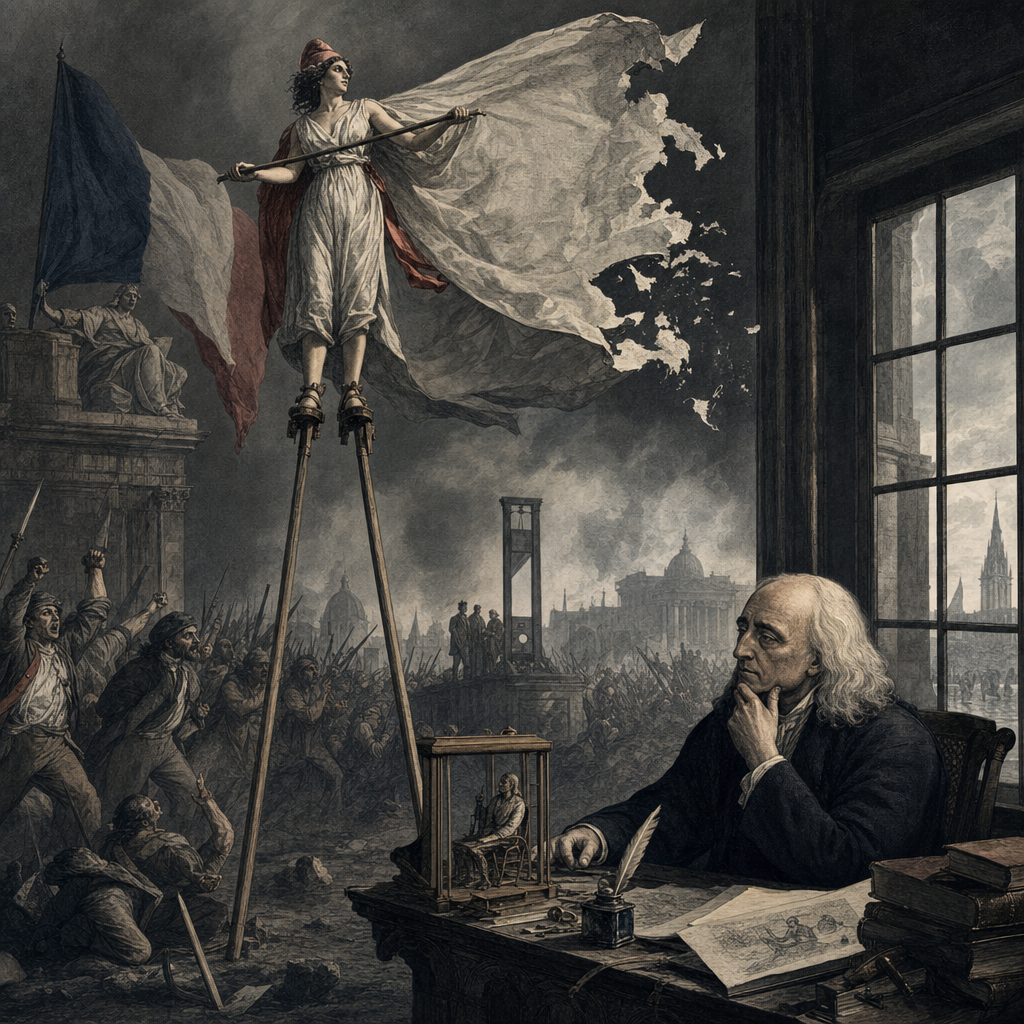
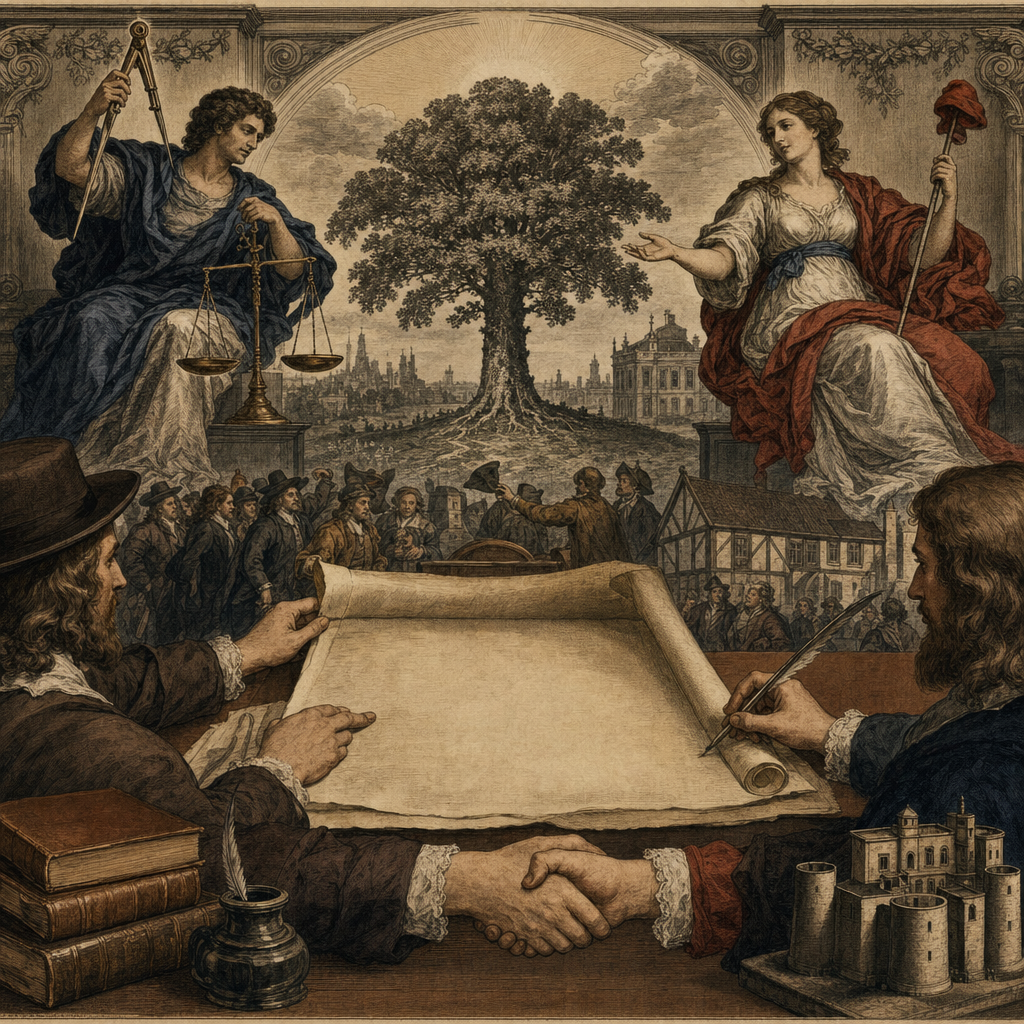
A genuine right has four components: a holder, a subject matter, a correlative duty imposed on others, and an enforcing mechanism. Legal systems provide all four. They specify who has what right, what others must do or refrain from doing, and what happens when the duty is violated. Natural rights, as proclaimed in the Declaration, specify only the first and second: they name holders and subject matters but provide no mechanism and impose no determinable duty on anyone in particular. They are therefore not rights but wishes dressed in rights-language.
Utility as the Better Foundation
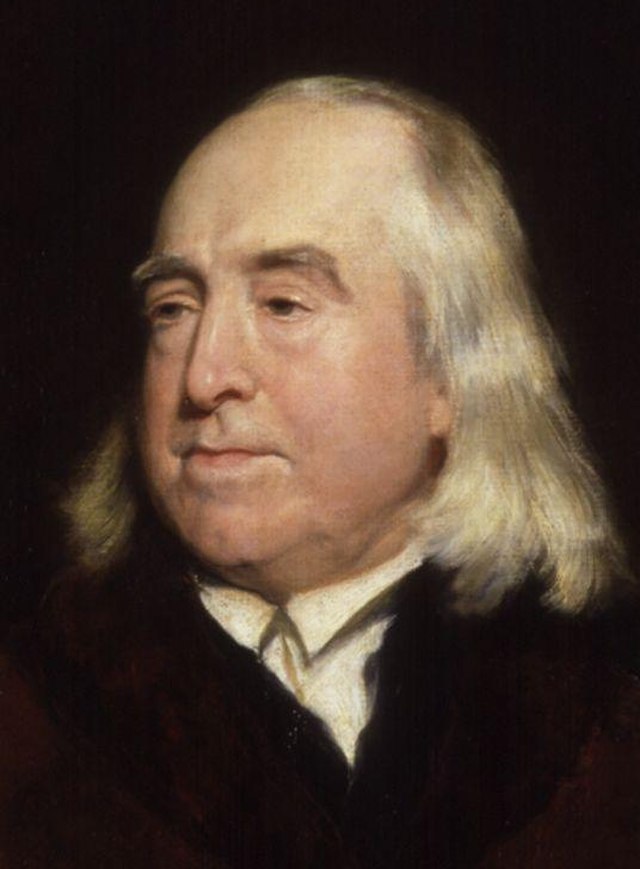
Bentham holds that the substantive demands of the Declaration — freedom of expression, security of person, equality before the law — are entirely defensible, but must be defended on utilitarian grounds. These arrangements work: they produce stable social orders with higher aggregate welfare than the arrangements they replace. This is a genuine argument, open to evidence and revision. Grounding the same demands in natural rights adds nothing to their justification and makes them harder, not easier, to argue for coherently.
Bentham's distinction between legal and natural rights anticipates the analytic jurisprudence of H.L.A. Hart, who credited Bentham as the founder of legal positivism.
Related Concepts