Three Levels of Reality
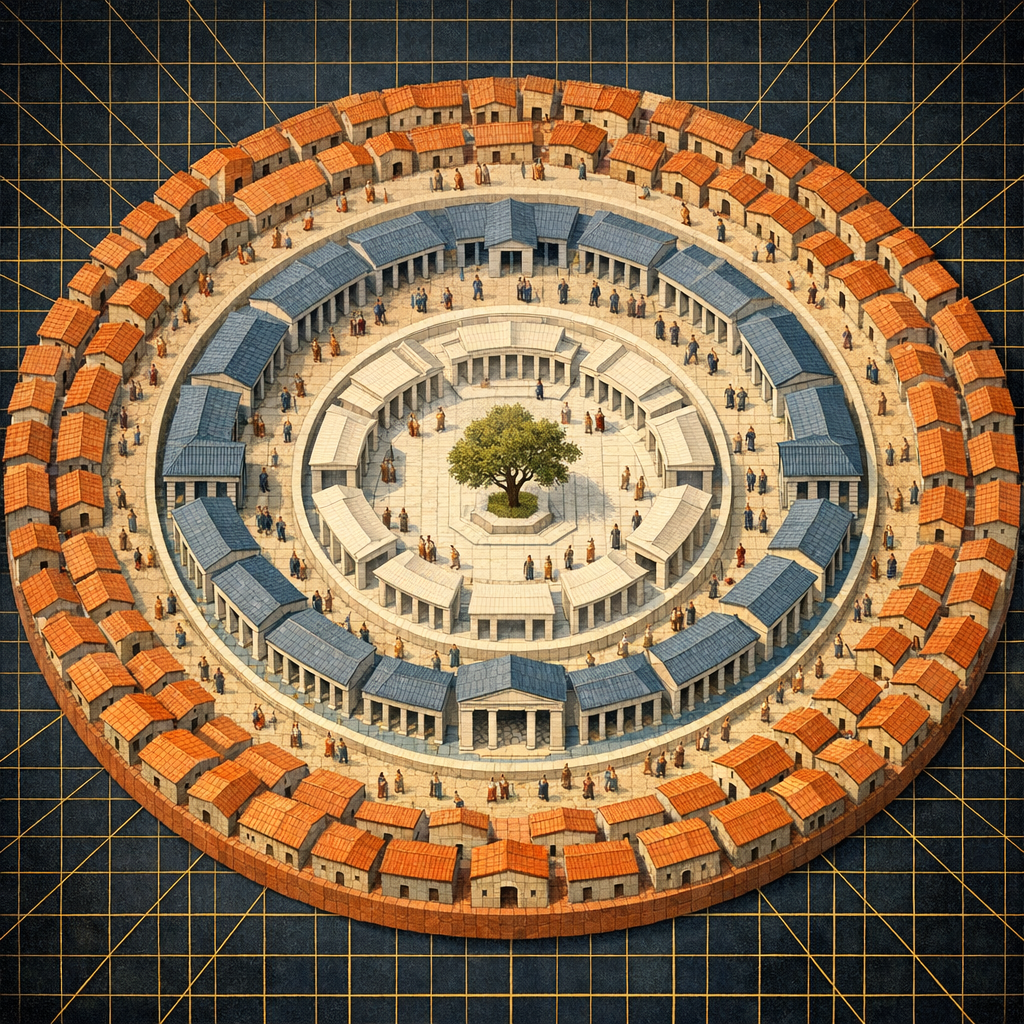
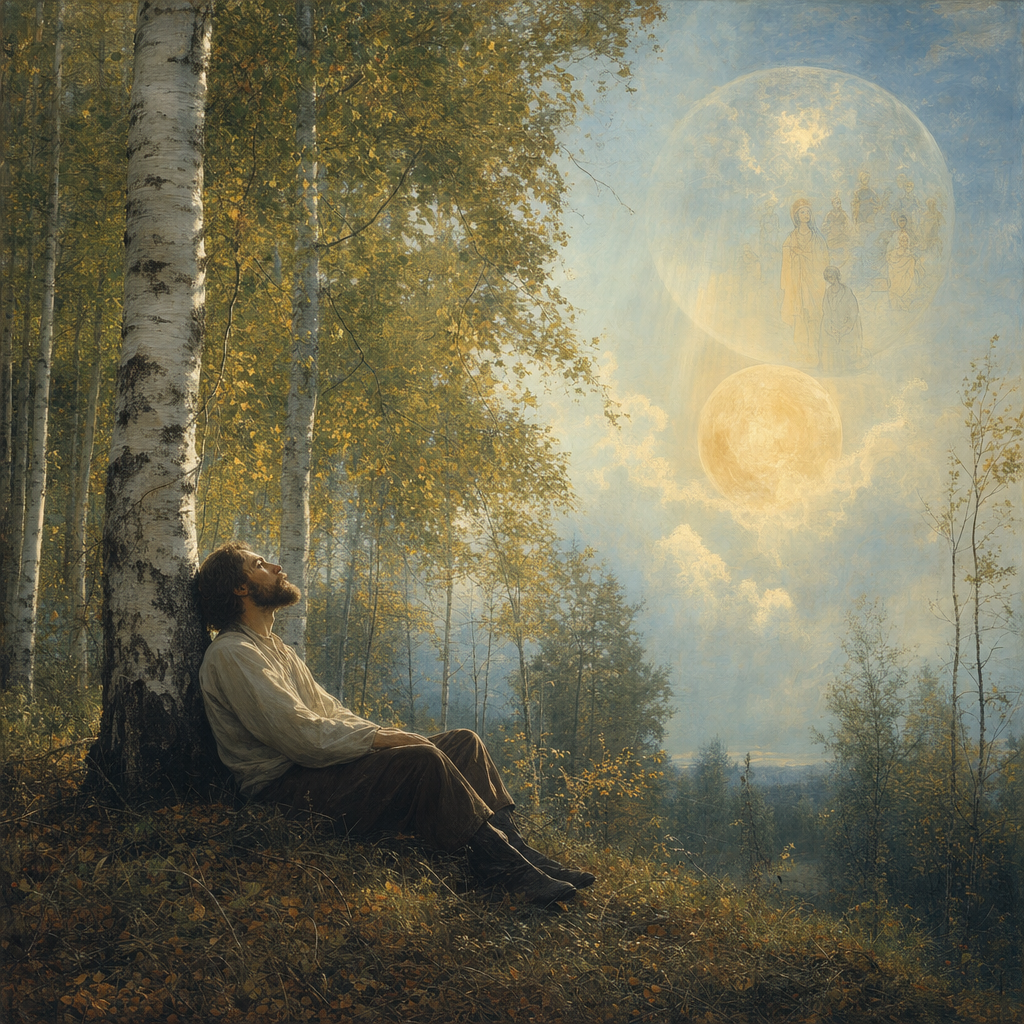
Shankara's mature doctrine (developed most fully in his Mandukya Upanishad commentary and the associated Karika text) distinguishes three levels of ontological status. Paramarthika satta is absolute reality — the unchanging, self-luminous Brahman that is the only thing that truly exists independently. Vyavaharika satta is empirical or conventional reality — the world of waking experience, including the external world, the body, other people, causal relations, and ordinary knowledge. Pratibhasika satta is apparent or illusory reality — the snake in the rope, the water in the mirage, the contents of dreams. Maya corresponds roughly to the second level: the empirical world is real enough to be the theatre of liberation and bondage, real enough for valid and invalid cognitions within it, but not ultimately real in the sense that Brahman is ultimately real.
Indescribability
One of Shankara's most technically precise doctrines is that maya is anirvachaniya — indescribable, indeterminable, neither real nor unreal. It is not simply unreal, because it produces real effects: the world we experience is not nothing. But it is not simply real either, because it cannot survive the introduction of knowledge: just as the illusory snake vanishes when the rope is clearly seen, the world as a multiplicity of independently existing things vanishes when Brahman is clearly known. Something that cannot survive knowledge of the truth is not ultimately real, even if it is experientially vivid. This doctrine of indescribability is not a logical evasion but a precise characterisation of a kind of being that is neither nothing nor fully something — the being of an appearance.
Maya and Ishvara
Maya also functions cosmologically in Shankara's system: it is the power by which Brahman, while remaining unchanged, appears as the diverse world. The Brahman associated with the power of maya is Ishvara, the divine Lord who "creates" the world not by making it from nothing or from some material distinct from himself, but by apparent modification within the absolute — as a magician performs apparently real feats without anything genuinely occurring. This cosmological role of maya should not obscure its soteriological function: what matters ultimately is not whether the world was created by maya in this or that manner, but whether the individual inquirer can pierce through the appearance of separate selfhood to the non-dual reality beneath it.
The term maya does not appear prominently in the earliest Upanishads but becomes central in the Shvetashvatara Upanishad ("know maya to be prakriti, and the possessor of maya to be Maheshvara"). Shankara's sophisticated ontological framework for maya was developed most fully by later Advaitins, especially Suresvara, Padmapada, and Vivarana-school commentators. Critics, particularly Ramanuja, argued that Shankara's doctrine made creation inexplicable and God's relation to the world ultimately incoherent.
Related Concepts