Sat-Chit-Ananda
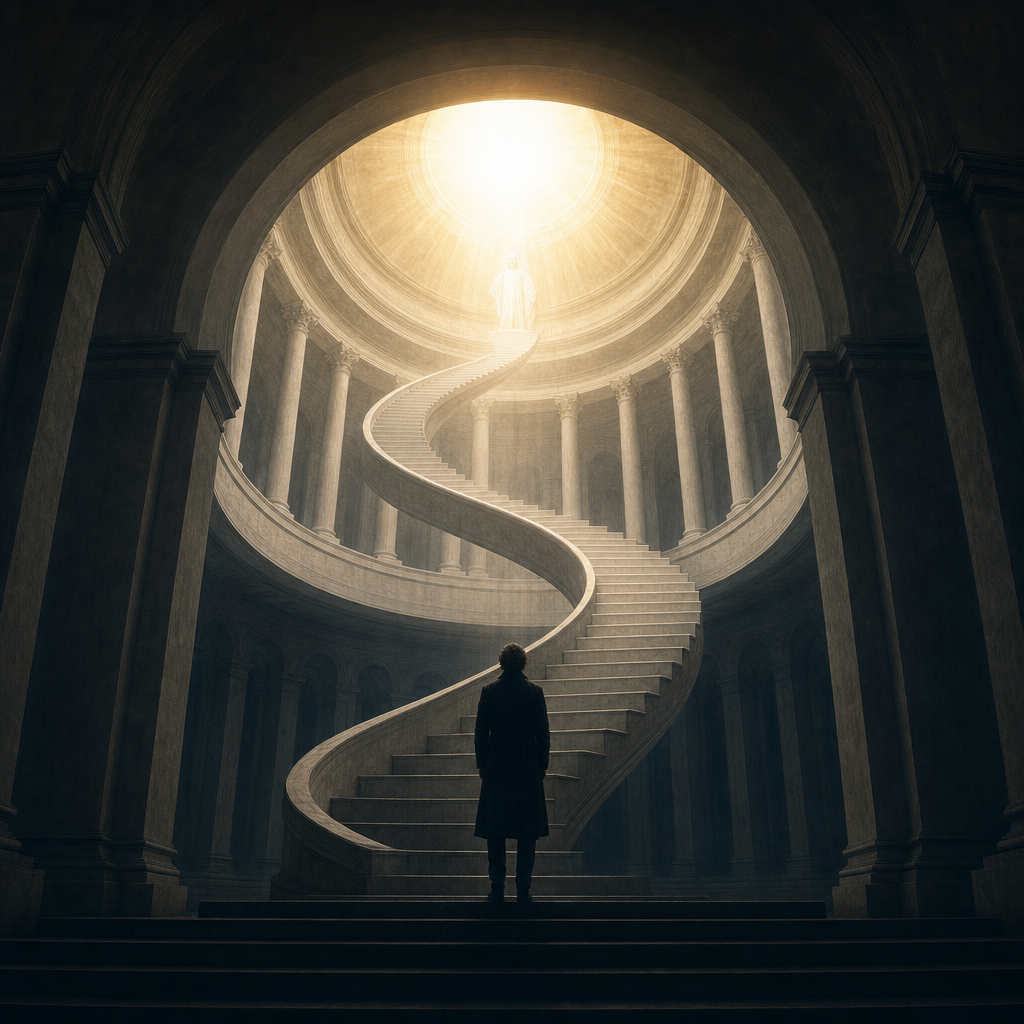
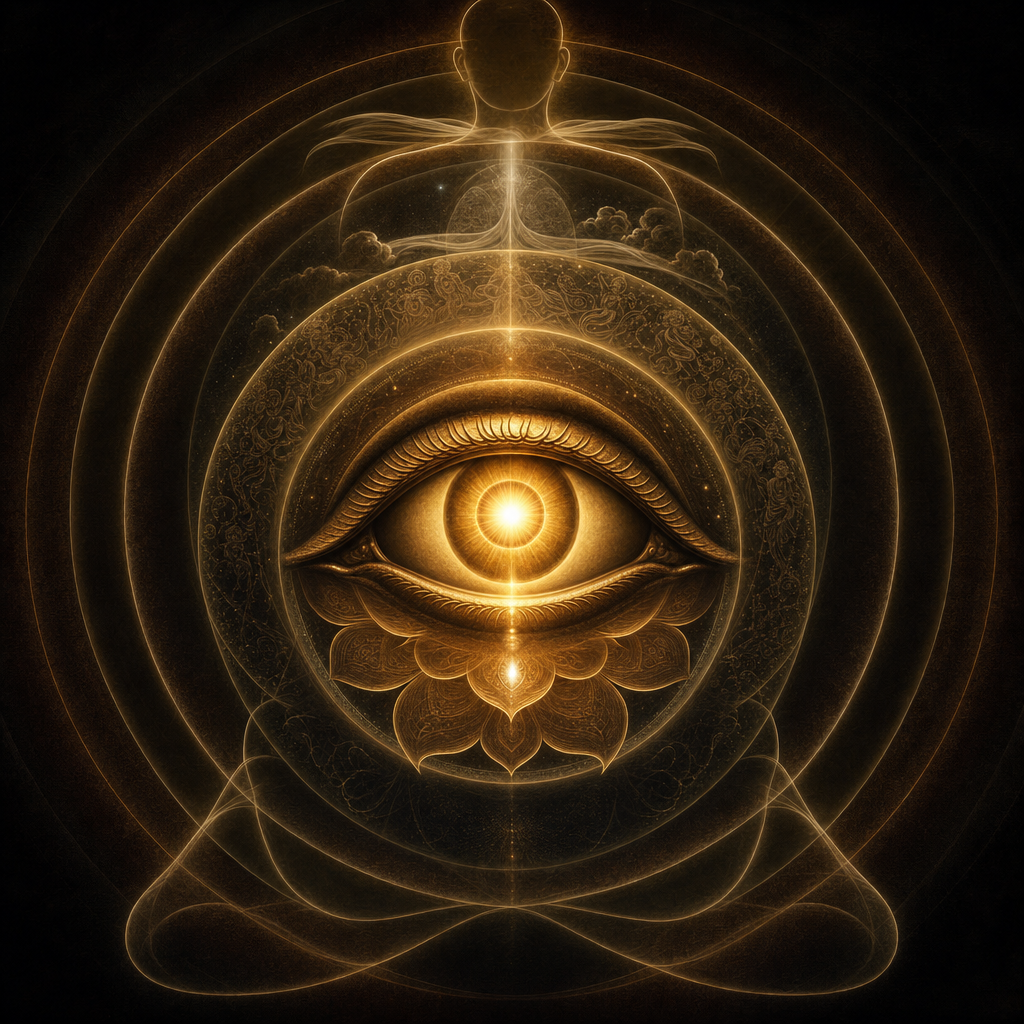
The Upanishads characterise Brahman by three terms that are not attributes but identity-statements: sat (pure being), chit (pure consciousness), ananda (pure bliss). These are not three separate aspects of one thing but three ways of indicating the same absolute reality from different approaches. Pure being because Brahman alone truly exists — everything else exists only derivatively, by participation. Pure consciousness because Brahman is the self-luminous awareness in which all experience takes place and which is never itself experienced as an object, since it is the very subject of all objectification. Pure bliss not because Brahman enjoys pleasure but because it lacks nothing — bliss here means the complete sufficiency of a reality that needs nothing outside itself to be fully what it is.
Self-Luminosity
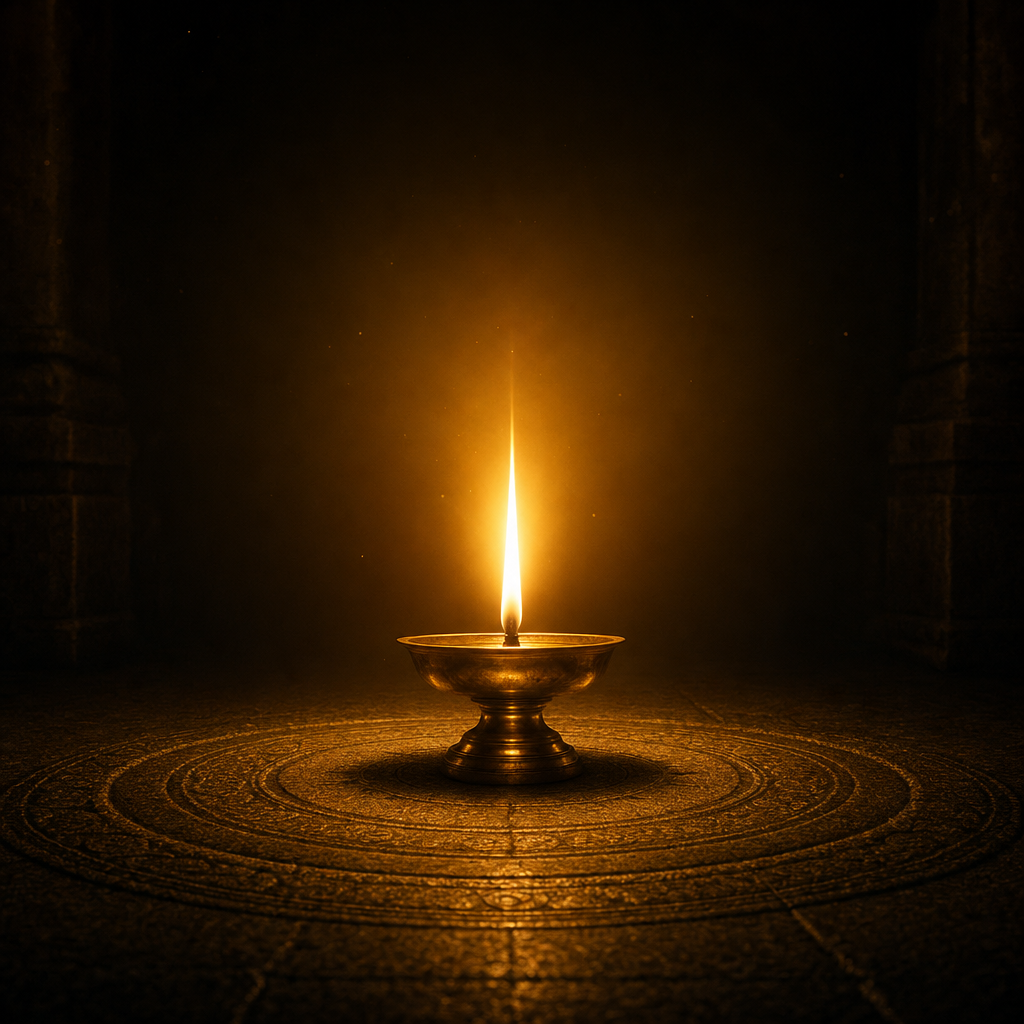
The most philosophically important attribute of consciousness, for Shankara, is its self-luminosity (svaprakasha): it illuminates everything else without requiring something else to illuminate it. A lamp illuminates objects in a room, but the lamp itself does not need a second lamp to be visible — it is self-evident in the very act of illuminating. Consciousness is precisely like this: it is present in every act of knowing as the invariant background that makes knowing possible, but it does not itself need to be known by some further act of knowing. This is why consciousness is foundational in a way that matter never can be — matter is known only through consciousness, but consciousness is known through itself.
Nirguna and Saguna Brahman
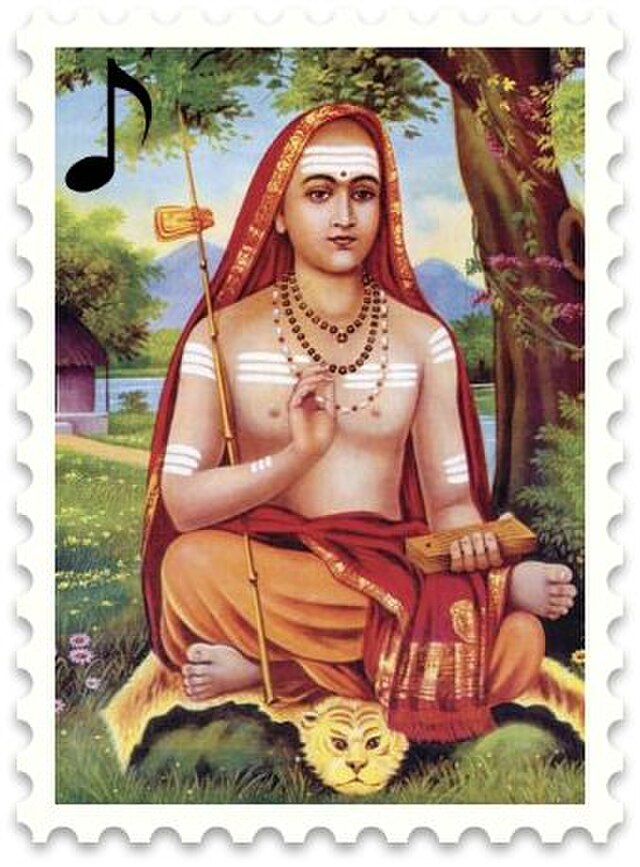
Shankara distinguishes between Brahman without qualities (nirguna) and Brahman with qualities (saguna). Nirguna Brahman is the absolute as it truly is — without limitation, without relation, without any predicate that would make it a particular kind of thing. Saguna Brahman is Brahman as it appears within the framework of maya: as the creator Ishvara, the divine Lord who exercises providential governance of the cosmos. This is not two Brahmans but one reality appearing differently depending on the epistemic standpoint of the observer. From the highest standpoint of non-dual knowledge, even the distinction between creator and creation dissolves. Devotion to Ishvara is a legitimate and valuable practice — but it remains within the frame of relative understanding, a step toward the final recognition rather than its culmination.
Shankara's account of Brahman as sat-chit-ananda draws directly on the Taittiriya Upanishad ("satyam, jnanam, anantam Brahma") and the Chandogya Upanishad. The distinction between nirguna and saguna Brahman is developed most fully in the Brahmasūtra Bhāṣya and the Mandukya Upanishad commentary.
Related Concepts