One God, No Revelation
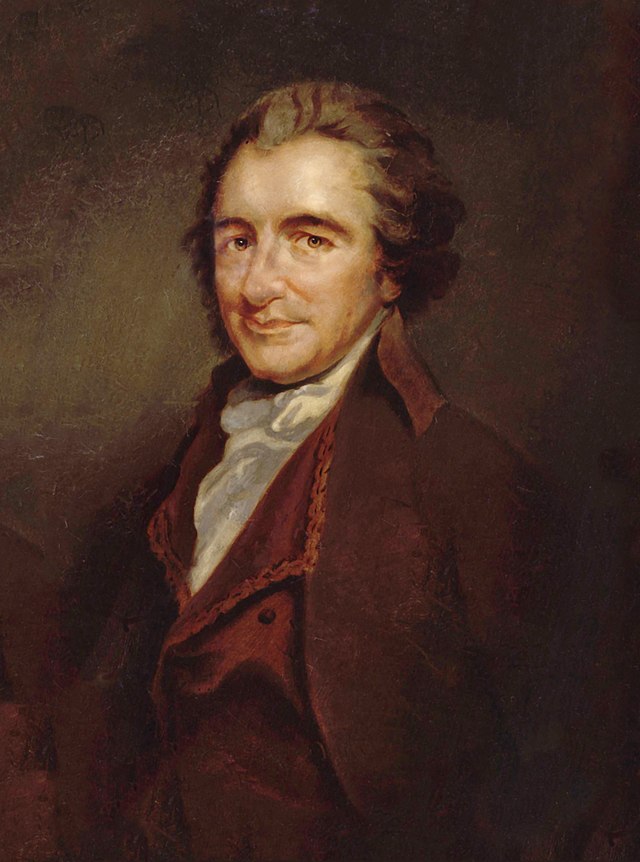
Paine's creed, as he states it at the opening of The Age of Reason, is brief: I believe in one God and no more; I hope for happiness beyond this life; I believe in the equality of man; and I believe that religious duties consist in doing justice, loving mercy, and endeavouring to make our fellow creatures happy. Notably absent from this creed: revelation, scripture, clergy, sacraments, creeds, miracles, incarnation, or any specifically Christian, Jewish, or Muslim doctrine. God is known through creation, not through books.
Against Atheism
Paine was at pains to distinguish his position from atheism — a distinction that his enemies ignored but which was important to him. The atheist, Paine thought, was as dogmatic in a negative direction as the revealed theologian was in a positive one: both claimed more certainty about the ultimate nature of things than the evidence warranted. The deist position is simply that the existence and order of the natural world gives us good reason to infer a creator, while giving us no basis whatsoever to know anything specific about that creator's intentions, communications, or demands. Revelation adds nothing legitimate to natural theology; it only adds the interested interpretations of human authors who claimed divine authority.
The Test of Reason
Paine's governing methodological principle is that no religious claim is exempt from rational scrutiny. Miracles cannot be verified through testimony — the strength of the evidence for a miracle is always limited by the reliability of the witnesses, which is always finite, while the improbability of the miracle is (by definition) very high. Sacred texts cannot be verified by appeal to themselves without circularity. The only reliable guide is reason applied to the evidence of the natural world. By this standard, the existence of an ordering intelligence behind the universe is plausible; the specific doctrines of any revealed religion are not.
Paine wrote Part I of The Age of Reason in 1793, in Paris, believing he was about to be arrested and possibly executed — he wanted to put his religious views on record before he died. He was indeed arrested in December 1793 and imprisoned for ten months. Part II was written during his imprisonment.
Related Concepts