The Primordial Choice
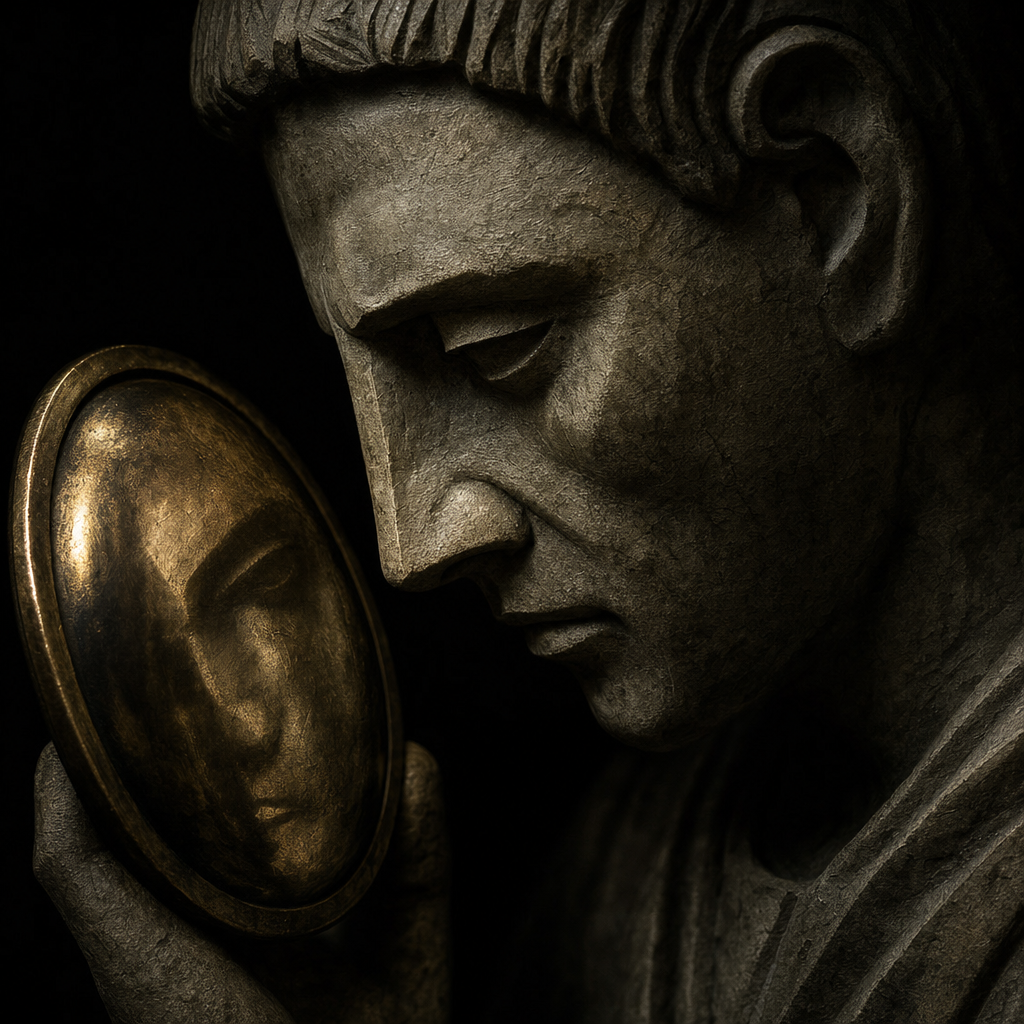
In the Gathas, the two primal spirits chose between truth and falsehood in a primordial moment — and this choice established the moral structure of reality. Human beings are called to make the same choice in their own lives, and the seriousness of the call depends on the choice being genuine. If human beings were merely instruments of divine or cosmic forces, with no real capacity for independent decision, the moral exhortation of the Gathas would be pointless. The entire architecture of Zoroastrian ethics rests on the conviction that human choice is real.
Against Determinism
Zoroastrian theology is notably hostile to determinism in any form. Human beings are not fated to belong to Asha or Druj by birth, by divine decree, or by cosmic necessity. They choose — and they can change. The person who has been living in Druj can turn toward Asha; the person who has been living in Asha can fall away. This open-endedness of moral life gives the Zoroastrian ethical teaching its urgency: there is always both a risk and an opportunity, and no one's destiny is fixed until the final judgment.
Moral Responsibility and Judgment
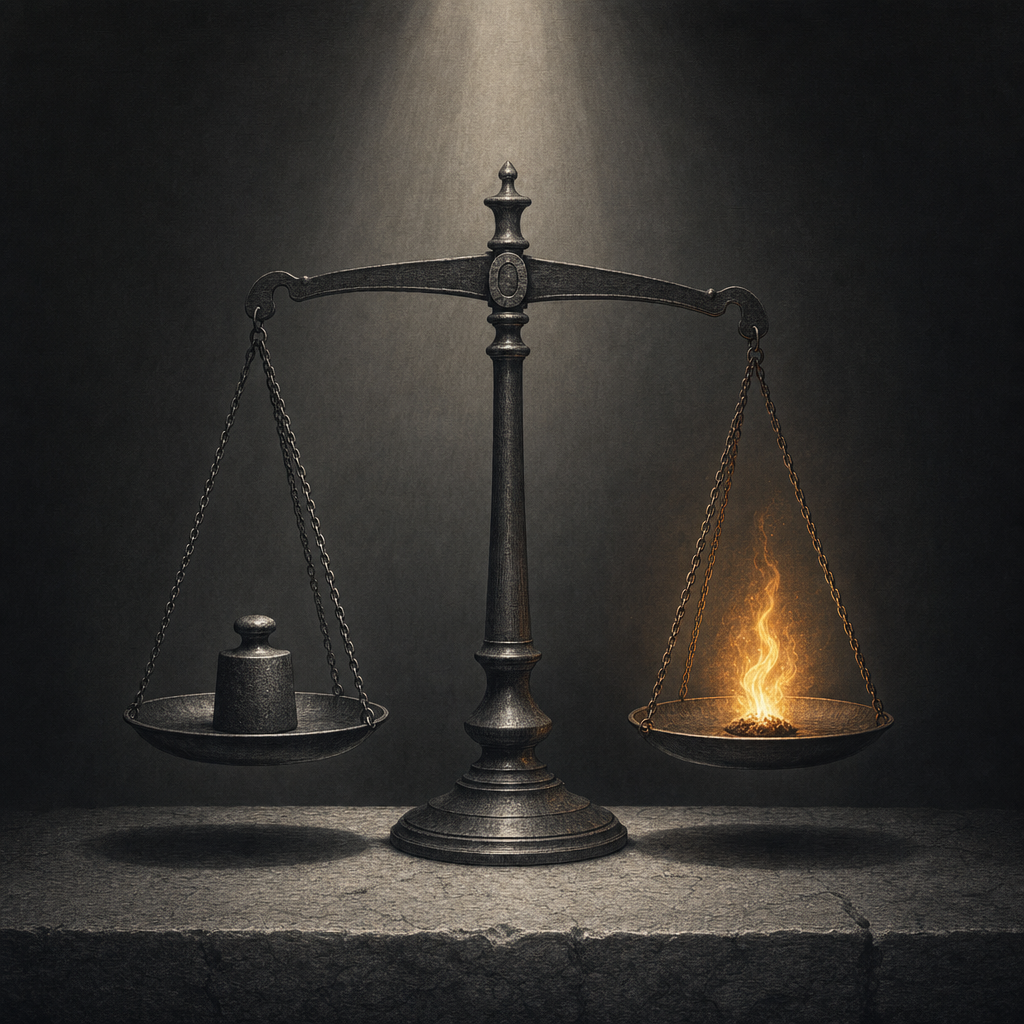
Free will is the precondition of moral responsibility, and moral responsibility is the precondition of judgment. Zoroastrian eschatology includes a detailed account of the judgment that awaits each soul after death: the soul crosses the Chinvat Bridge, which widens for the righteous and narrows for the wicked. The judgment is the precise consequence of choices freely made in life. This connection — free will grounds responsibility, responsibility grounds judgment — is one of the most influential structures in the history of religion, transmitted through Zoroastrian influence to Jewish, Christian, and Islamic theology.
Participating in the Cosmic Struggle
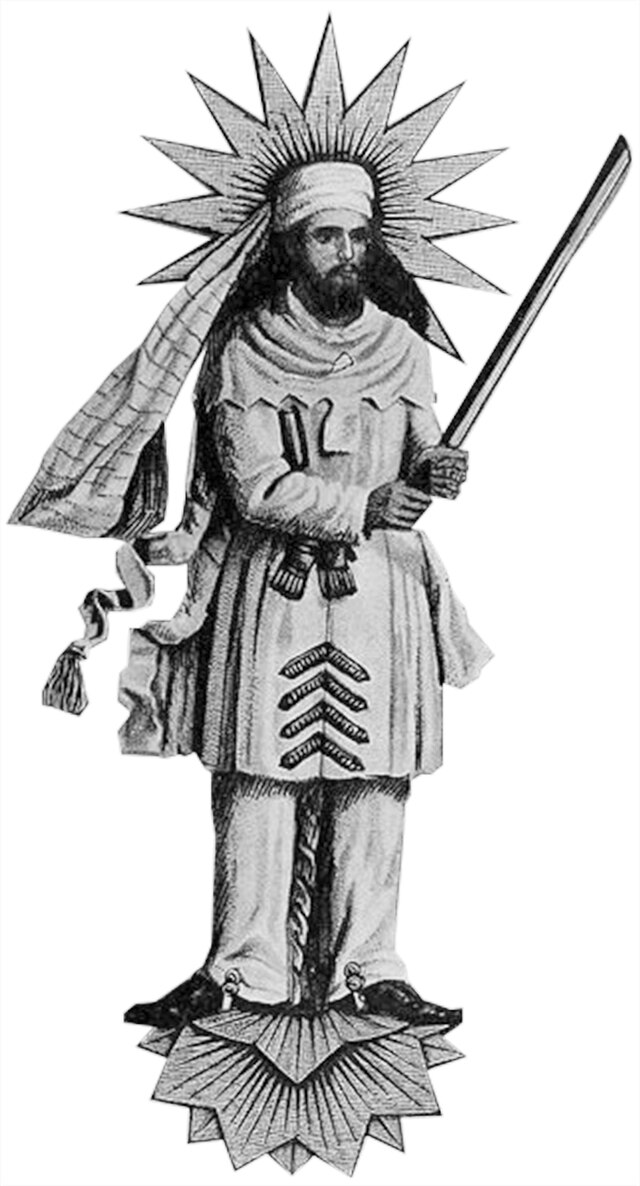
For Zoroaster, the individual's free choice is not merely a matter of personal salvation but of cosmic significance. The struggle between Ahura Mazda and Angra Mainyu is not settled in advance; its outcome depends in part on the choices of human beings. By choosing Asha — by thinking truthfully, speaking honestly, and acting righteously — the individual strengthens the side of truth in the cosmic conflict. This gives the ordinary moral life a cosmic weight and dignity that is distinctive in the history of religious ethics.
The Zoroastrian emphasis on free will stands in interesting contrast to the predestinarian theology that developed in some strands of the Abrahamic traditions partly influenced by Zoroastrianism. Calvinist predestination, for instance, holds that God has determined in advance who will be saved and who will be damned — a position Zoroastrian theology would regard as incompatible with genuine moral responsibility and with Ahura Mazda's perfect goodness.
Related Concepts