The Name and Its Meaning
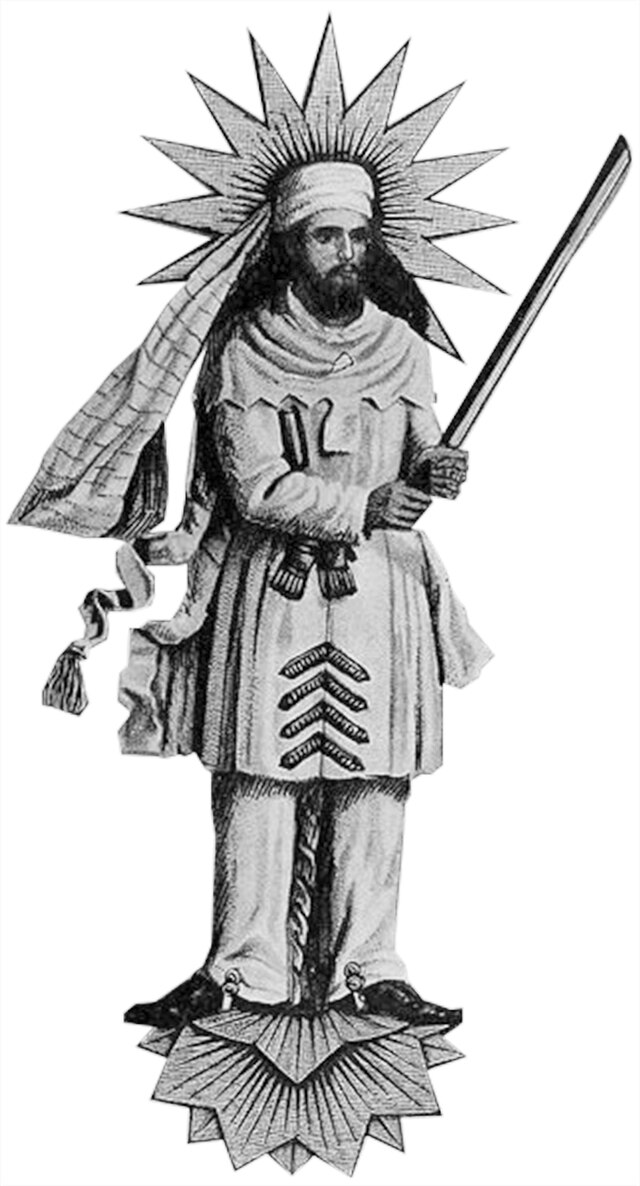
The name Ahura Mazda contains its own theological programme. Ahura means "lord" or "being" — pointing to the deity's ontological primacy, his being rather than his function in a pantheon. Mazda means "wisdom" or "mind" — identifying the supreme being with the principle of intelligence and truth. To worship Ahura Mazda is not to propitiate a powerful god whose favour can be secured by sacrifice; it is to align oneself with the rational and moral order of reality. The deity's name is a statement of what ultimate reality is like.
Uncreated and All-Knowing
In the Gathas, Ahura Mazda is presented as eternal, uncreated, and all-knowing — attributes that distinguish him sharply from the gods of the surrounding polytheistic traditions, who were themselves born, who competed with one another, and whose knowledge was limited and sometimes deceived. Ahura Mazda's omniscience is specifically connected to his knowledge of moral truth: he knows human thoughts, words, and deeds and will judge them accordingly. This makes the moral life not merely a social arrangement but a cosmic one, witnessed and eventually adjudicated by the supreme being.
Creator of the Good
Ahura Mazda is the creator of the good creation — the world as it should be, aligned with Asha (truth/righteousness). He is not, however, the creator of evil: Angra Mainyu, the destructive principle, is in some sense his twin or opponent, not his creature. This is Zoroastrian dualism: good and evil are co-original principles, not one derived from the other. The created world is the arena in which their conflict plays out, and human beings are the beings whose choice determines which side is strengthened.
Relationship and Worship
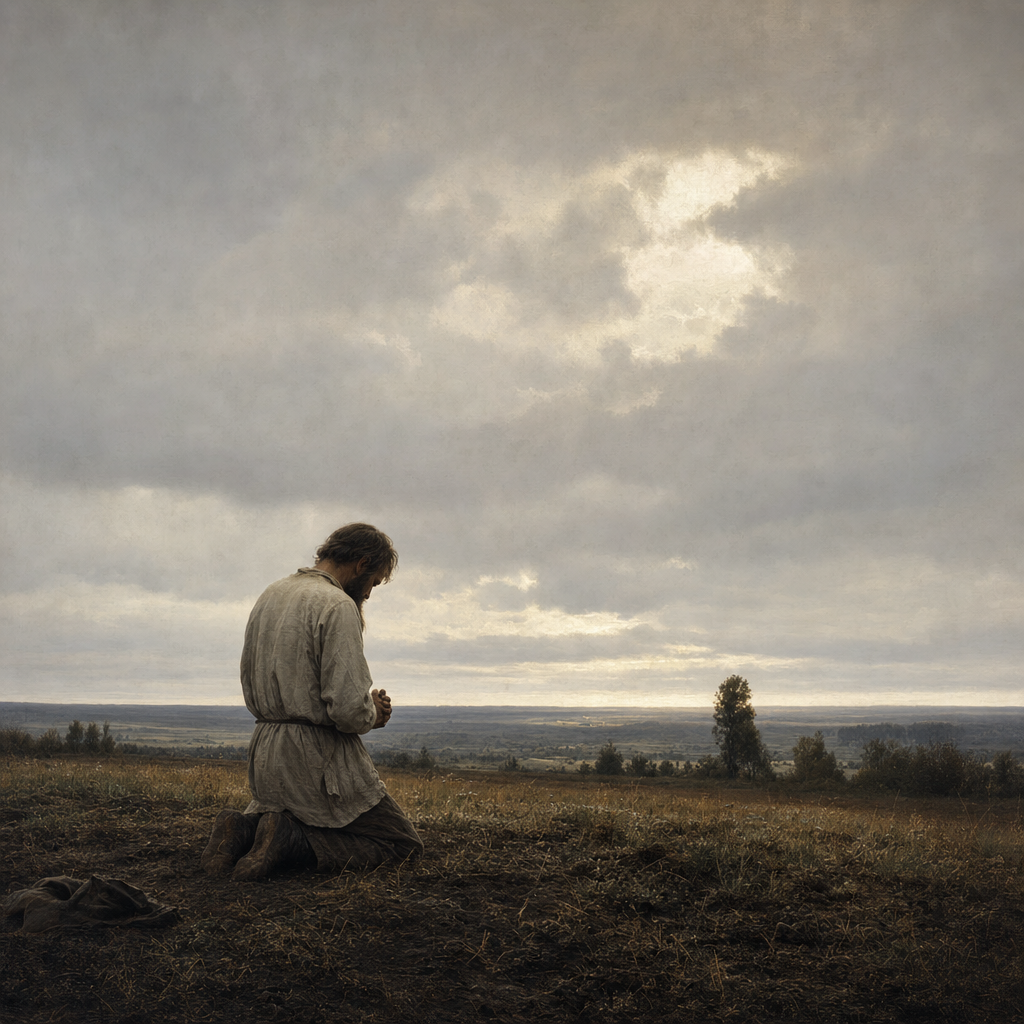
What distinguishes Zoroaster's relationship with Ahura Mazda in the Gathas is its personal, dialogic character. The hymns are not merely proclamations of doctrine but conversations — Zoroaster addresses Ahura Mazda directly, asks for guidance, complains of his difficulties in spreading the teaching, and receives responses. This direct, personal relationship with the divine, mediated not by ritual specialists or a temple cult but by the individual's own alignment with truth, would become a defining feature of the Abrahamic traditions that inherited much of Zoroastrian theology.
Zoroaster's radical monotheism had to contend with the existing tradition of Vedic/Iranian polytheism. He did not deny the existence of other divine beings (yazatas) but demoted them to subordinate status and condemned the worship of a class of false gods (daevas) that other Iranians revered. This demotion of daevas — which become "demons" in the later tradition — is one of the most important theological moves in the Gathas.
Related Concepts