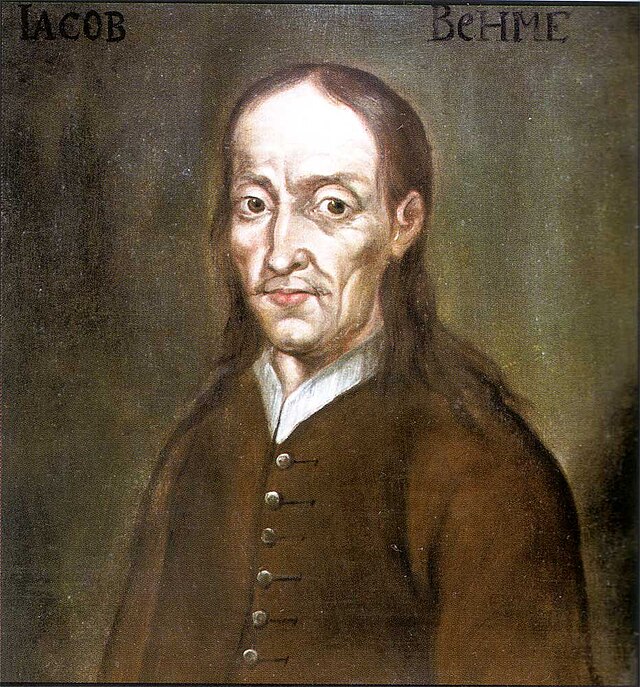
The God Who Burns
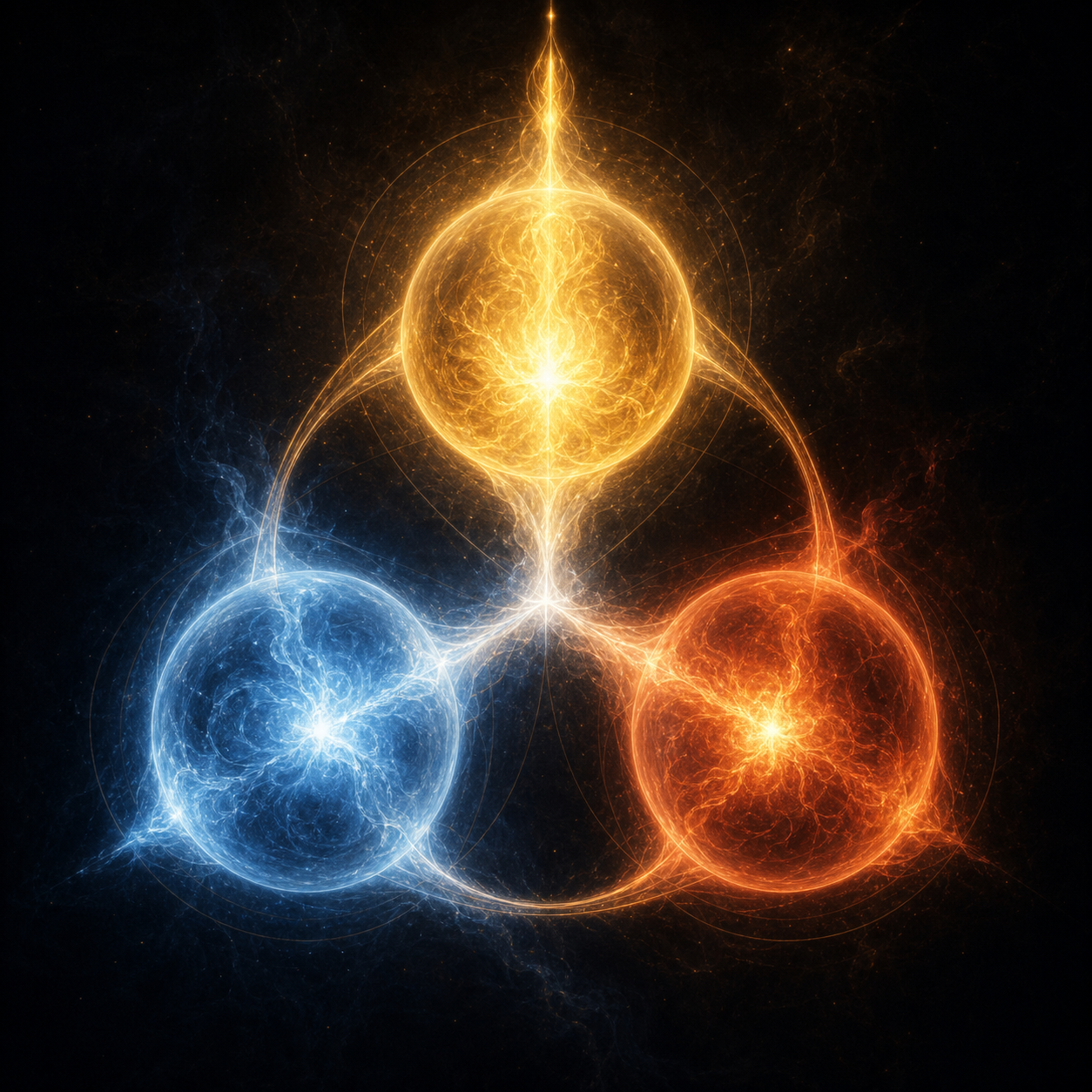
For Böhme, God is not simply love. Before love can be love, something must exist that love overcomes — the dark consuming fire of divine wrath. This wrath is not evil; it is the first principle, the Father, the harsh contraction of divine power upon itself. It is the necessary ground of all strength, all form, all life. Without it, love would have nothing to illumine and nothing to overcome.
The Same Fire, Two Directions
The miracle, for Böhme, is the transformation of wrath into love — not by extinguishing the fire but by letting it shine. When the dark fire turns outward and illumines rather than consumes, it becomes light. Wrath and love are not two separate things but the same divine fire in two directions: turned inward it is wrath, turned outward it is love. This is Böhme's central dialectical insight, and it anticipates the structure of Hegelian dialectic by two centuries.
The Cosmic Stakes
This structure is not confined to God alone. Every creature exists within this tension. Human beings carry both principles within them: the dark fire of self-will and the light of love that would transform it. Sin, for Böhme, is not simply disobedience but the hardening of the self in its own fire — the refusal to let the light shine through. Salvation is the re-ignition of the light within the dark, the second principle reclaiming the first.
Böhme's account of divine wrath must be distinguished from the orthodox Calvinist notion of punitive divine anger. For Böhme, wrath is structural and necessary rather than contingent and reactive — it is part of God's own eternal constitution, not a response to human sin.
Related Concepts