The Fear That Rules Us
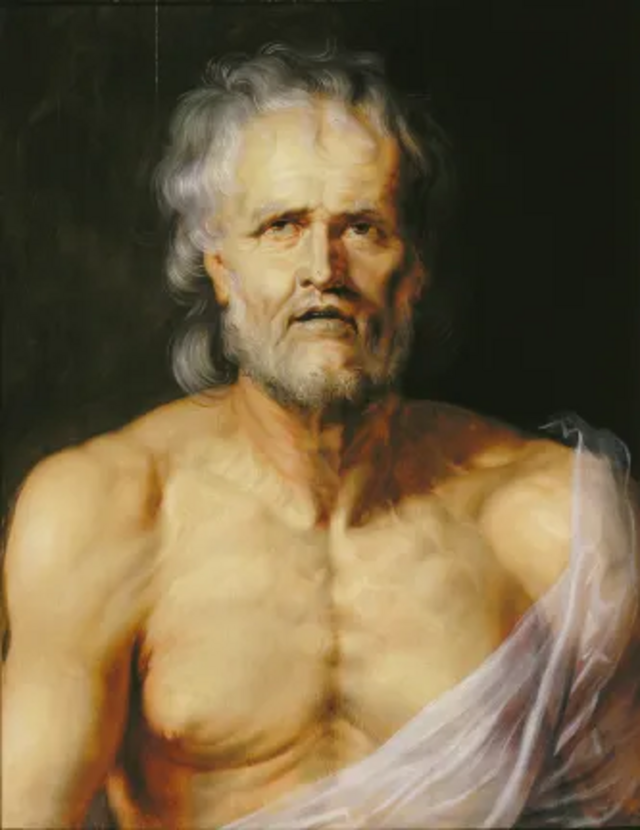
Seneca takes seriously the difficulty of his task: mastering the natural love of life by a philosophical contempt of death goes against everything that has been drilled into us since childhood. He does not pretend that the prospect of death is pleasant, nor that philosophy magically removes its sting. What he argues is that enduring the fear of death constantly is worse than enduring death itself — that the cure is harder than the disease.
But what is it we fear? "Oh! it is a terrible thing to die." Well; and is it not better once to suffer it, than always to fear it? The earth itself suffers both with me, and before me.
Examples of Courage Before Death
Seneca turns to a gallery of examples — gladiators, soldiers, humble men and great ones — all of whom have faced death without flinching. These are not distant heroes but ordinary human beings who found, when it came to the test, that the thing they had feared most was manageable. The examples are not meant to shame the reader but to demonstrate that the capacity for courage is distributed widely, not reserved for the exceptional.
The Philosopher Before Death
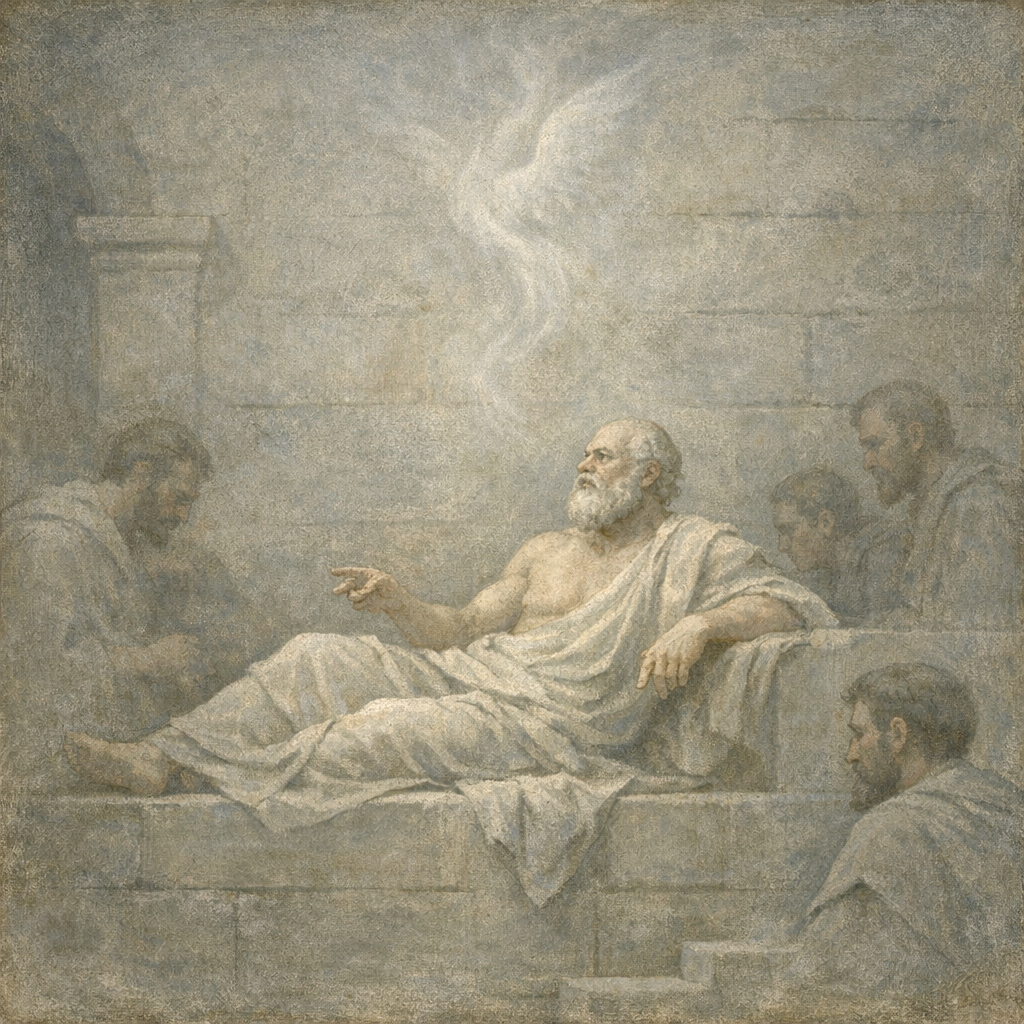
The chapter's climax is a portrait of Marcellinus, who called his friends together to deliberate about dying and chose to go without resistance, starving himself slowly while noting the pleasure of the diminishing stages. His Stoic friend — the real philosopher in the story — neither encouraged nor discouraging him, but held him steady and reminded him that death taken freely is more dignified than death simply suffered. To choose one's attitude toward the inevitable is the last, greatest freedom.
Chapter XXI of Of a Happy Life is among Seneca's most personal passages — written by a man who knew Nero's court well and had every reason to think carefully about how he himself would face execution when the time came.
Related Concepts