Genius as Excess of Knowing over Willing
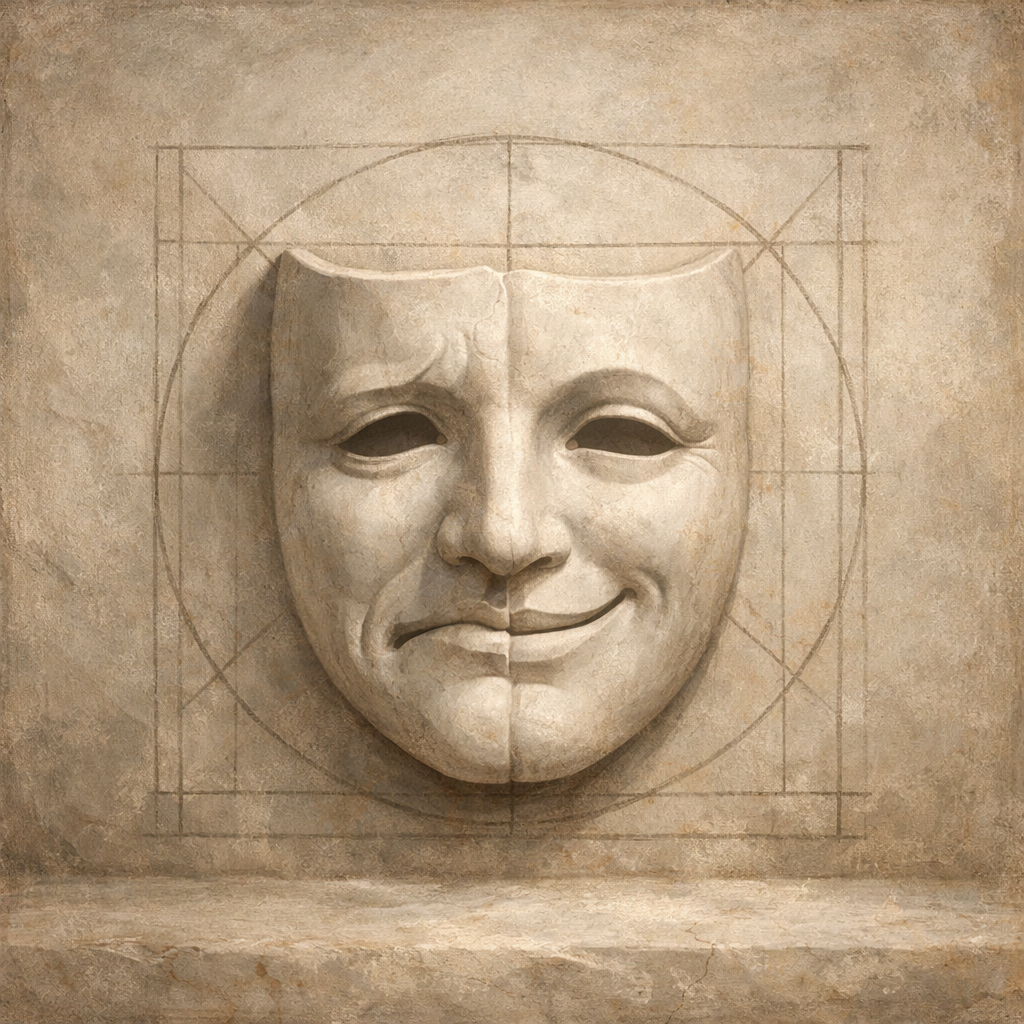
Ordinary consciousness is calibrated to serve the will: it perceives what is relevant to survival and desire. The genius has, as it were, too much intellect for the will's purposes — an excess of cognitive capacity that, when the will's demands are temporarily quiet, turns back on the world in pure, purposeless contemplation. This is a gift that comes with a cost: the genius is poorly adapted to practical life precisely because their intellect is not efficiently harnessed to their will's demands. Great artists are often impractical, socially awkward, and emotionally volatile — their instrument is tuned to a different purpose.
The Transmission of Vision
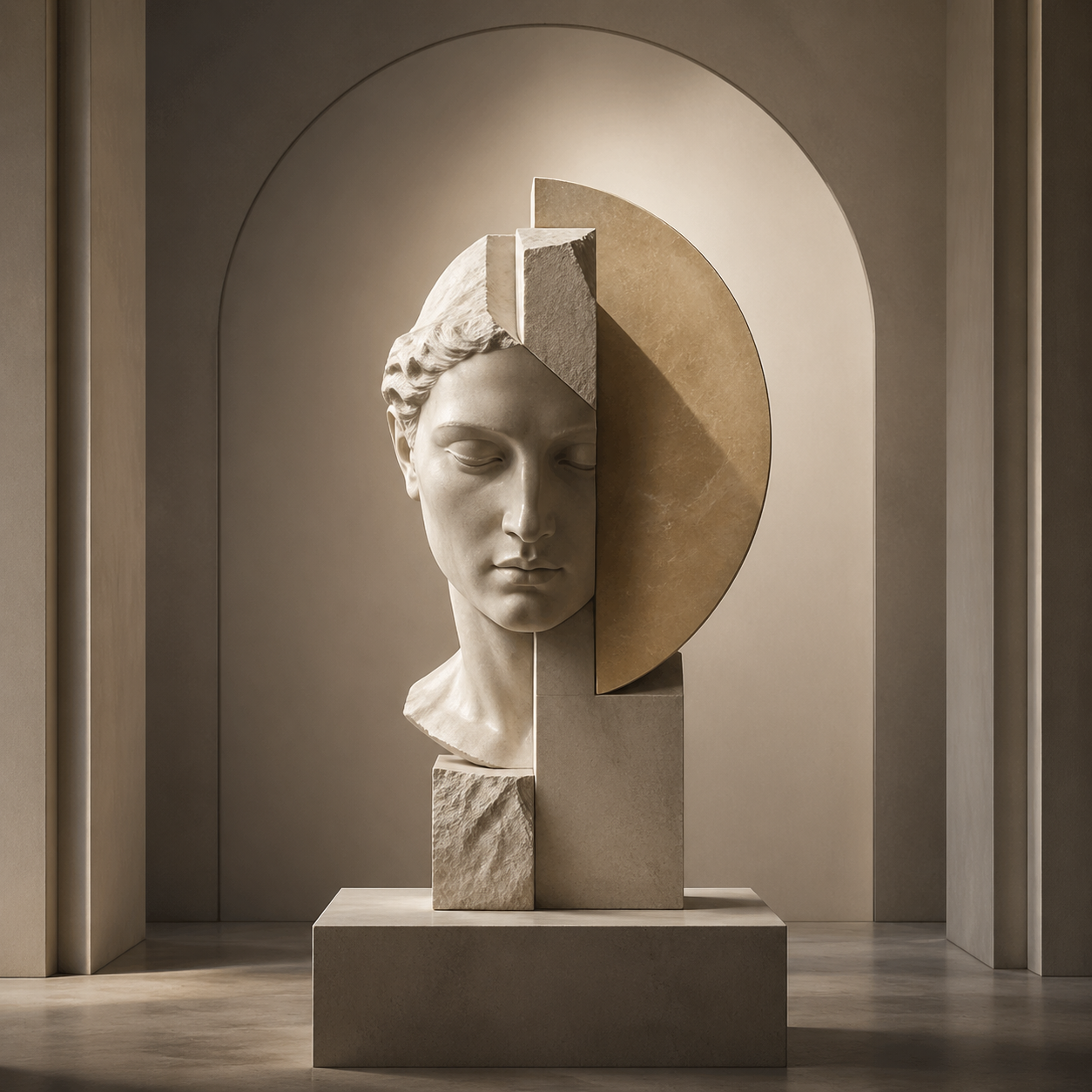
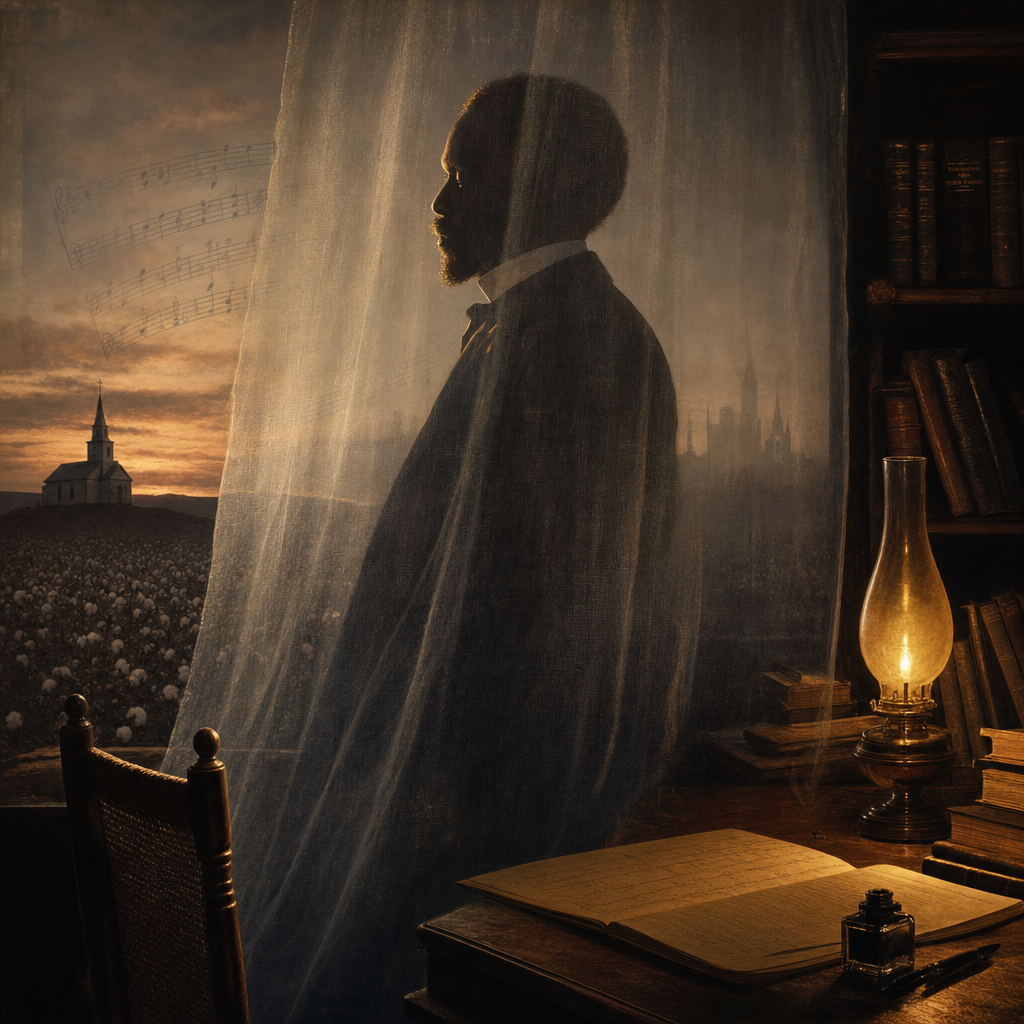
The artist's specific task is to communicate a will-less vision to those who cannot achieve it on their own. A great painting of a landscape does not depict a particular view at a particular time; it makes visible the Idea of that kind of landscape — the essential character that all such scenes share and that we normally miss because we are scanning for useful information. When we stand before such a painting and are genuinely absorbed in it, we briefly become what the artist was when they made it: a pure subject of knowing, temporarily free from the will's servitude. Art is thus not luxury but a form of liberation — the most widely accessible release from the suffering that the will guarantees.
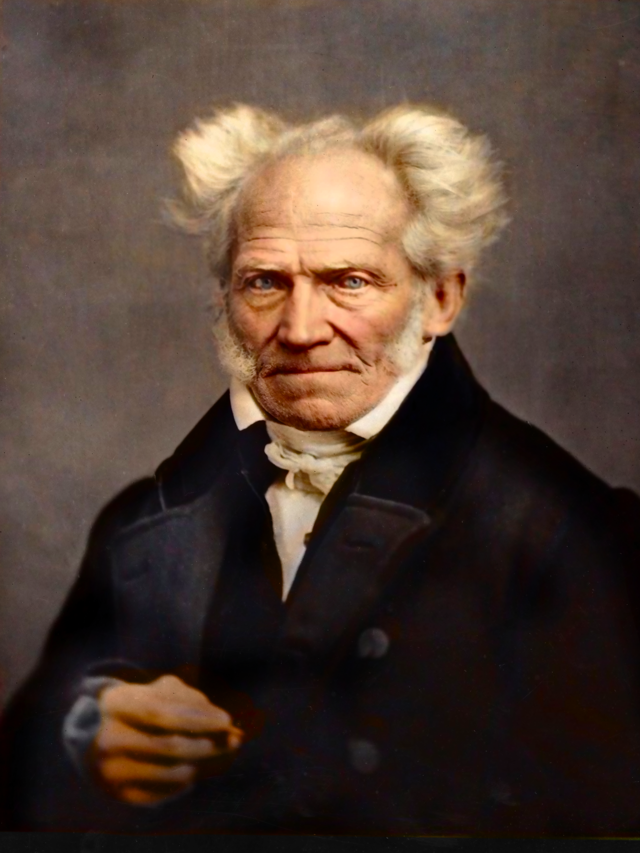
Schopenhauer's account of genius and aesthetic experience is developed in Book Three of The World as Will and Representation (§§30–52) and revisited in the essays "On Aesthetics" and "Psychological Remarks" in Parerga and Paralipomena. Wagner credited this account with transforming his understanding of the purpose of music.
Related Concepts