The Thesis
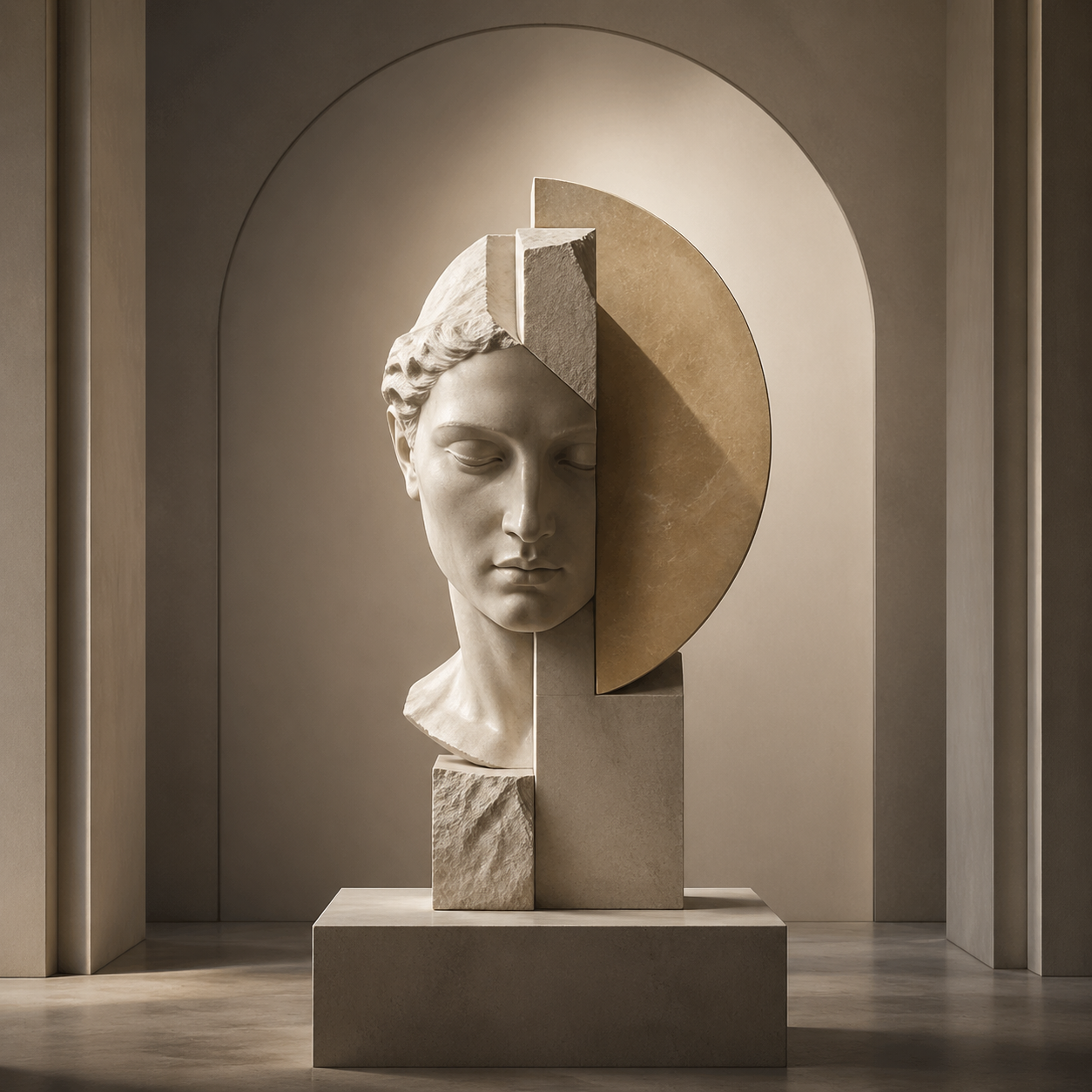
Hegel does not say that art is finished or that no more great art will be made. He says that art has ceased to be the highest form in which spirit comes to know itself. In ancient Greece, the great sculptures of the gods were the primary medium through which a culture understood its deepest values and its relationship to the divine. For us, Hegel argues, this is no longer so. We appreciate Greek sculpture as beautiful, but we no longer bow before it as divine. We have stepped outside the artistic relationship in which the sensuous form is the primary vehicle of ultimate truth.
Why Art Has Been Superseded
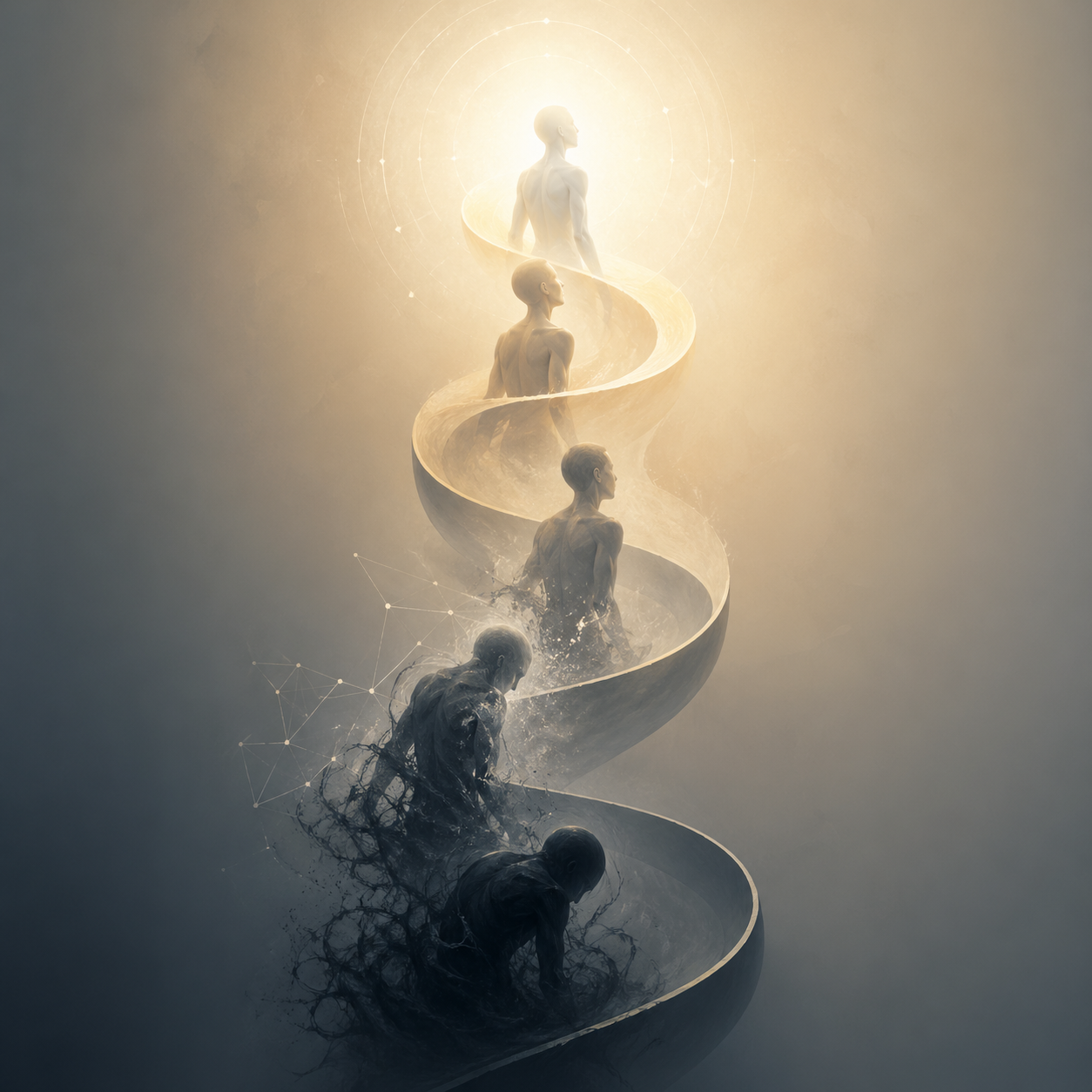
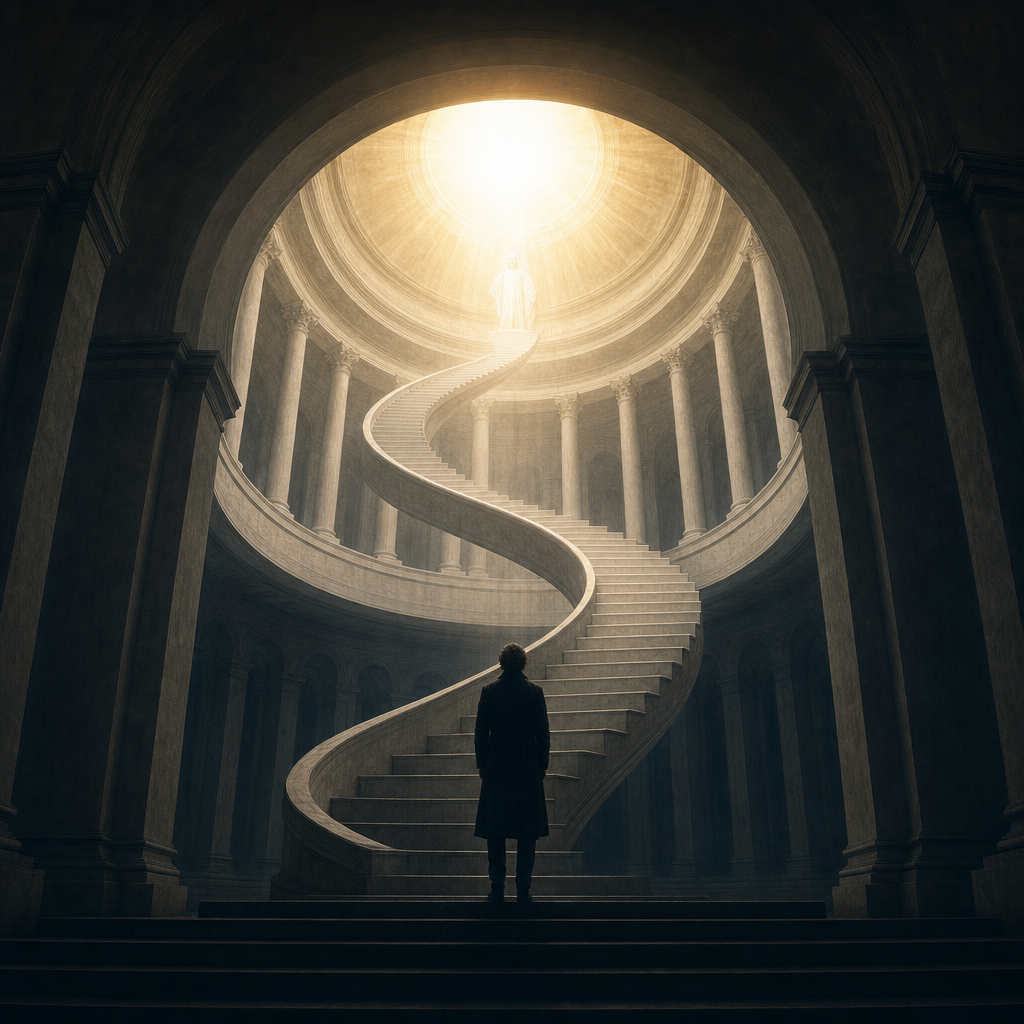
The reason is the nature of spirit itself: as spirit becomes more self-conscious, it requires modes of self-expression that are more adequate to its inward, conceptual character. Sensuous form — stone, paint, sound — cannot fully contain the self-knowing freedom that modern spirit has become. Religion supersedes art by making the spiritual content more explicitly inward (faith, devotion, community); philosophy supersedes religion by grasping the same content in its purely conceptual form, without the sensuous or representational mediation that both art and religion require.
What Comes After
Post-Hegelian art is art that knows itself to be post-Hegelian — art that is reflective about its own conditions and limitations. Many have argued that Hegel's thesis is confirmed rather than refuted by modern art's trajectory: from Romanticism's self-consciousness about artistic form, through the avant-garde's systematic questioning of what art is, to contemporary art's often explicit philosophical self-interrogation, modern art has increasingly become art about art. Whether this vindicates Hegel's thesis or represents art's survival through self-transformation is one of the liveliest debates in contemporary aesthetics.
The Debate
The "end of art" thesis has generated enormous controversy. Arthur Danto, who coined the phrase "the artworld" and developed one of the most influential theories of art in the late twentieth century, acknowledged his direct debt to Hegel. Danto argued that the end of art is not the cessation of art-making but the end of the historical narrative that gave art a direction — what he called "the end of art's story." Others, including Hans-Georg Gadamer, have argued that Hegel fundamentally misunderstood art's irreducible function and that the sensuous encounter with the work of art is never fully replaceable by philosophical reflection.
Hegel's "end of art" should be distinguished from the sociological theses about the death of art associated with early twentieth-century avant-garde movements, which claimed that art had been superseded by politics, technology, or life itself. Hegel's claim is philosophical rather than sociological: art's supersession is a matter of spirit's self-development, not of historical circumstance.
Related Concepts