The Pure Subject of Knowing
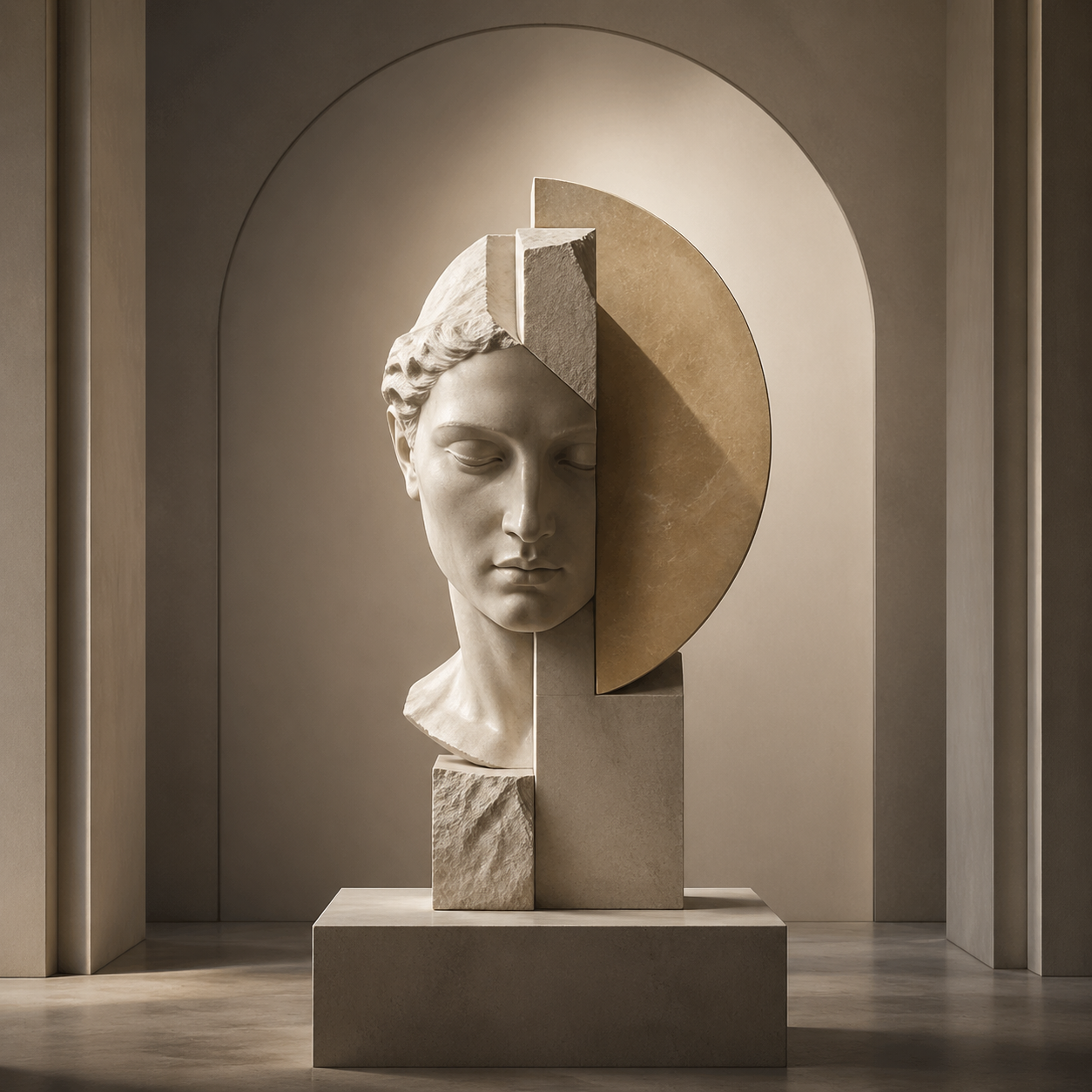
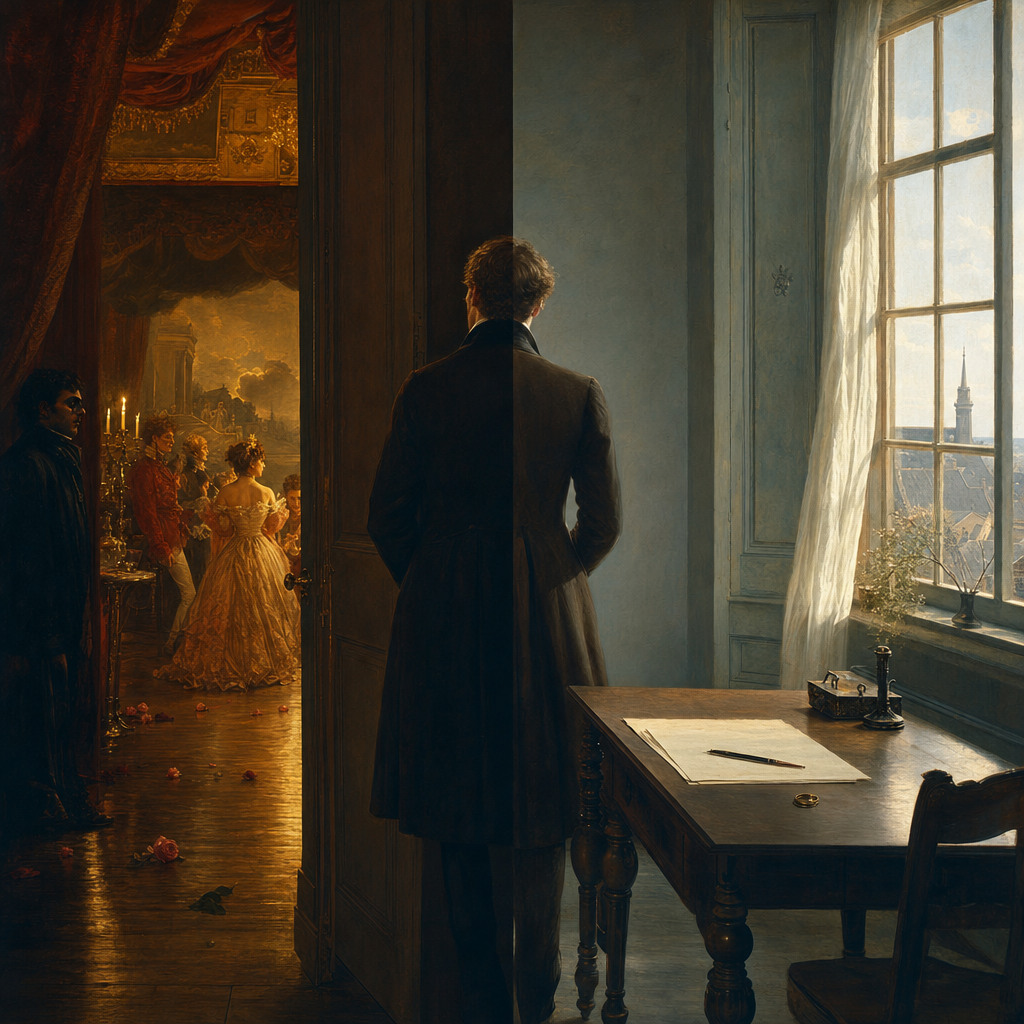
Ordinary consciousness is the servant of the will: it scans the environment for threats and opportunities, processes information in terms of what is useful or dangerous to the individual organism. Aesthetic contemplation breaks this servitude. When we are genuinely absorbed in a painting, a piece of music, or a natural landscape, we cease to relate what we perceive to our own desires and fears. The object is no longer useful or threatening — it is simply there, in its full particularity, received by a subject that has, for the moment, forgotten itself. Schopenhauer calls this state will-lessness: not the absence of a mind, but the absence of a desiring, fearing, striving ego.
Platonic Ideas and Artistic Genius
Aesthetic experience, for Schopenhauer, involves the perception of Platonic Ideas — the universal types that individual things instantiate imperfectly. The genius is the person with the exceptional capacity to lose themselves in this perception and then communicate it through their work. Great art does not depict this or that particular tree; it conveys the Idea of the tree — what tree-ness is, freed from the contingency of any individual specimen. The artist's peculiar gift is a hypertrophied capacity for will-less knowing, coupled with the technical skill to give that vision objective form.
Music as Will Itself
Schopenhauer grants music a unique and elevated position in his aesthetics. Whereas the other arts present copies of Ideas — the will objectified at various levels — music is not a copy of Ideas at all. It is a copy of the will itself: an image of its strivings, tensions, releases, and restless dynamics. This is why music speaks directly to the emotions without the mediation of concepts, and why it can move us to the depths even when we cannot say what it "means". Music bypasses representation entirely and speaks the language of the thing-in-itself — which is precisely why it offers the most complete aesthetic release from the will's domination.
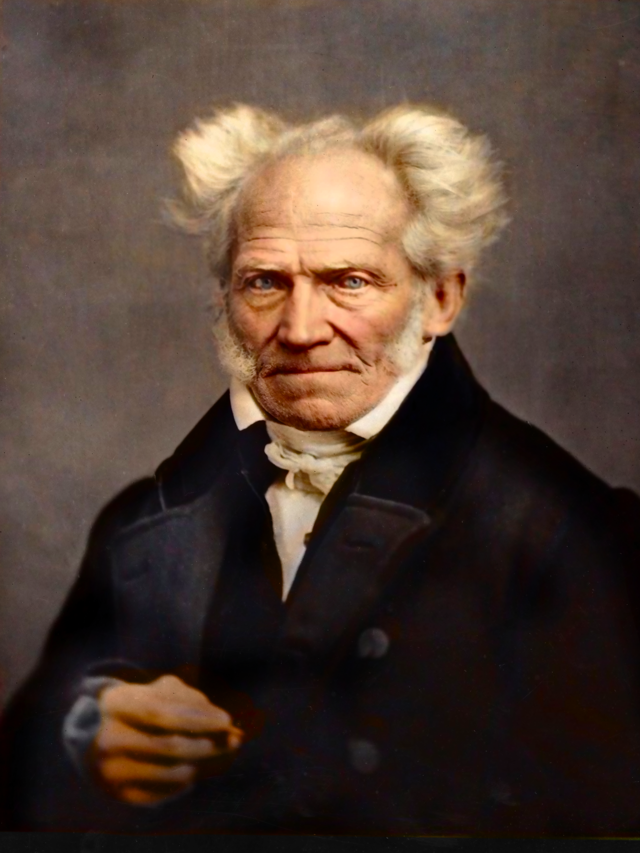
Schopenhauer's aesthetics occupies the Third Book of The World as Will and Representation (§30–52). His elevated account of music (§52) was enormously influential on Wagner, who regarded Schopenhauer's philosophy as the metaphysical vindication of his own musical ambitions.
Related Concepts