We Live at the Bottom of the Air
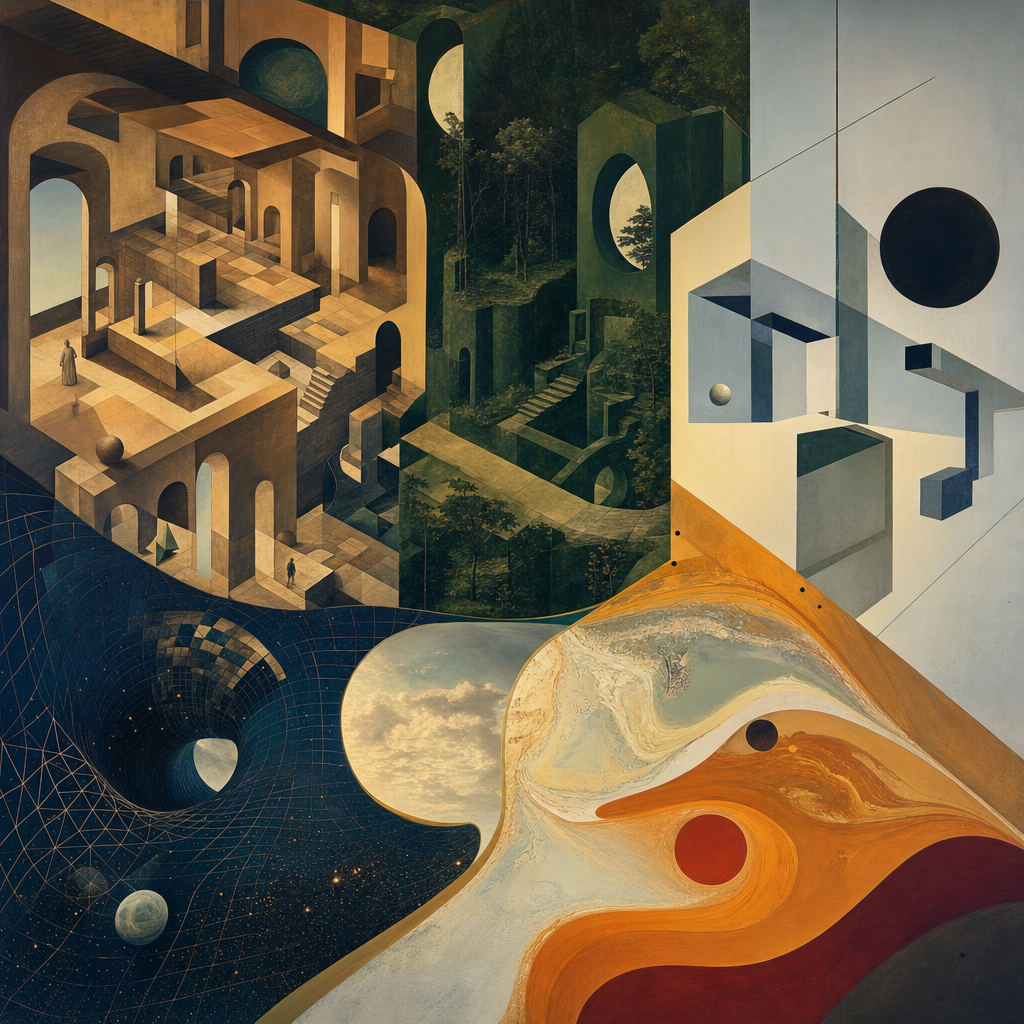
Socrates begins with a startling geographical claim: the earth we inhabit is not the real surface of the earth. Like creatures at the bottom of the sea who believe the water is their sky, we live in hollows and valleys filled with mist and air, and call this dim region the heavens. The true surface of the earth lies above the atmosphere, where the ether is — pure, luminous, and extending to the fixed stars. We have never seen it because our bodies and senses are too weak to carry us there.
the true earth is pure and situated in the pure heaven--there are the stars also; and it is the heaven which is commonly spoken of by us as the ether, and of which our own earth is the sediment gathering in the hollows beneath.
The Beauty of the Upper Earth
The true earth is of extraordinary beauty. Its colours are more vivid than any painter's pigments — purple, gold, and white surpassing anything below. Its stones are like precious gems, but these are the actual stones of the upper earth; our gems are only fragments and dim echoes of them. Its trees, flowers, and fruits exceed ours as the upper air exceeds the murky depths. The inhabitants of the true earth live longer, are healthier, and perceive the heavenly bodies as they truly are. Their temples are places where the gods genuinely dwell and can be heard.
Why a Myth and Not an Argument
Socrates is careful about the status of what he says. He acknowledges that he cannot be certain of the details. But he is willing to maintain that something like this is true — that the soul's destination after death corresponds in some way to the image the myth provides. The myth does not add logical force to the preceding arguments for immortality, but it gives them imaginative content: it makes the philosophical hope for the soul's fate something that can be held in the mind and lived toward.
The myth ends with an account of the fate of souls — the good rewarded, the very wicked punished beyond remedy, the ordinary souls carried through cycles of purgation before returning to life. But even here, the true earth and its pure inhabitants remain as the summit of the vision: the philosopher's destination is not an abstract disembodied eternity but a richer, more real world than the one he leaves behind.
The myth of the true earth appears in Chapter 3 of the Phaedo and should be compared with the Myth of Er at the end of the Republic and the myth in the Gorgias. Plato uses myth at moments when argument reaches its limits — not to abandon rational inquiry but to gesture toward what reason can indicate but not fully demonstrate. The image of humans at the bottom of the air anticipates later cosmological revisions of our sense of the earth's place.
Related Concepts