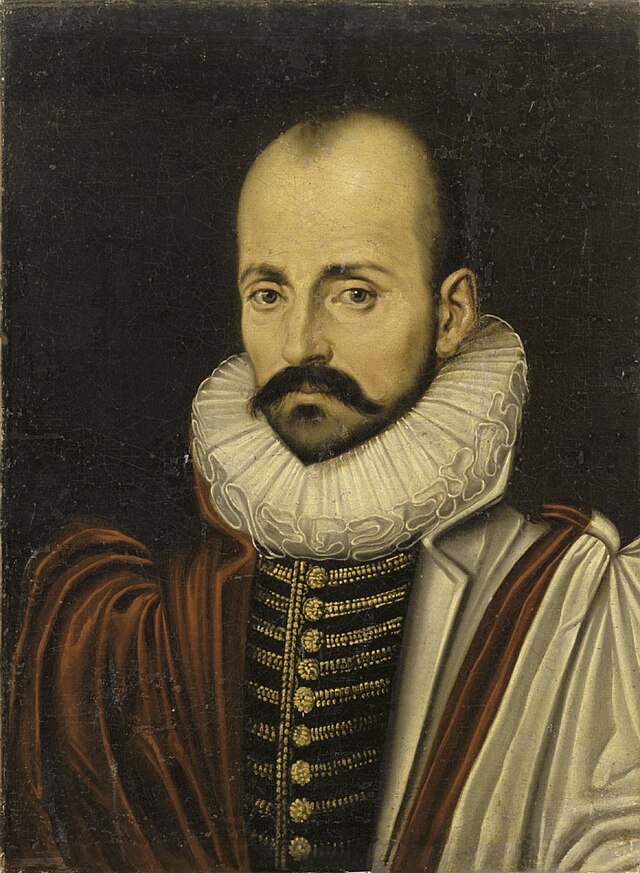
The Distorting Lens of Custom
every one gives the title of barbarism to everything that is not in use in his own country. As, indeed, we have no other level of truth and reason than the example and idea of the opinions and customs of the place wherein we live
Montaigne's point is epistemological before it is moral. We do not assess other cultures from a neutral standpoint — we assess them from within our own, which we mistake for universal. The customs of our neighbour look strange; our own look natural. But this is an illusion of familiarity, not a finding of reason.
Nature Versus Artifice
Montaigne is drawn to the peoples of the New World precisely because they seem less corrupted by the 'additional ornaments and graces' European civilization has layered over nature's originals. Their war songs, their customs of death, their social arrangements — he finds in all of them a coherence and authenticity that European practices, for all their sophistication, have obscured. The 'wild' fruit has a flavour the cultivated variety lacks.
Who Are the Real Cannibals?
The essay's most devastating move comes when Montaigne lists European atrocities alongside Amerindian ones, and asks the reader to weigh them. The people he calls cannibals eat their dead enemies as an act of war ritual. Europeans torture the living for confessions, burn heretics alive, and conduct religious massacres across their own continent. Montaigne does not excuse cannibalism; he demands that we see our own practices with the same clarity we apply to others.
From Book I, Chapter XXX of the Essays. This passage was used by Shakespeare — through Florio's 1603 translation — in The Tempest (Act II, Scene 1), as Gonzalo's vision of the ideal commonwealth.
Related Concepts