The Lion and the Fox
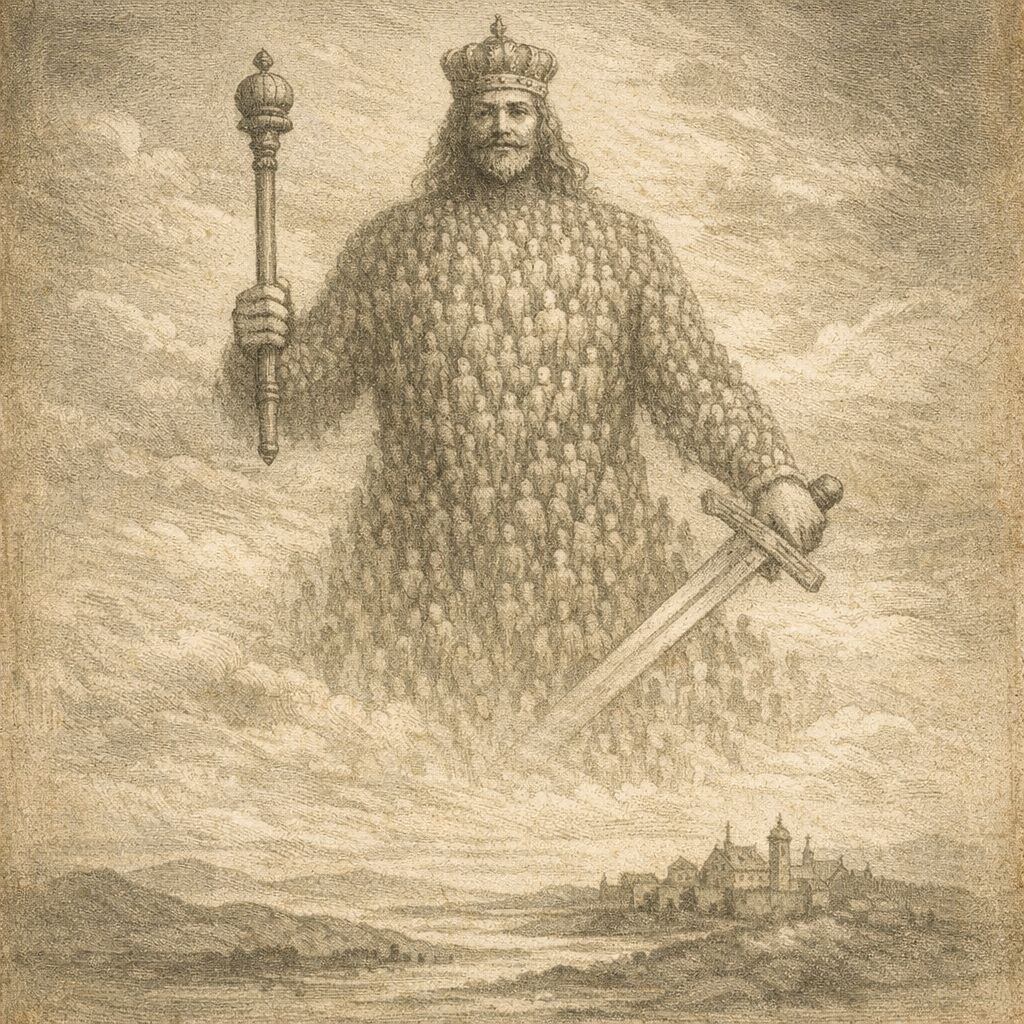
Chapter XVIII opens with an image from antiquity: the prince must know how to use both the lion and the fox. The lion cannot defend against wolves; the fox cannot defend against traps. A ruler who relies only on force will be outmanoeuvred; one who relies only on cunning will be overpowered. The great princes have been those who combined both — who could fight when necessary and deceive when advantageous, and who knew which the moment called for.
From this Machiavelli draws the conclusion about faith. A prince cannot always keep his word — circumstances change, conditions that justified an agreement disappear, and a ruler bound absolutely by his promises will be ruined by those who feel no such obligation. The prince must be a magnificent deceiver: "a great feigner and dissembler," able to present himself as whatever the moment demands.
Appearing, Not Being
Therefore it is unnecessary for a prince to have all the good qualities I have enumerated, but it is very necessary to appear to have them. And I shall dare to say this also, that to have them and always to observe them is injurious, and that to appear to have them is useful; to appear merciful, faithful, humane, religious, upright, and to be so, but with a mind so framed that should you require not to be so, you may be able and know how to change to the opposite.
The Vulgar and the Few
The argument rests on a sociology of political perception. The "vulgar" — the many — judge by results and appearances; the few who see through appearances have no power when the many believe otherwise. A prince who conquers and holds his state will always be considered to have acted honestly, because the world judges by what things seem to be and by what comes of them. Reputation, once established through success, becomes self-reinforcing.
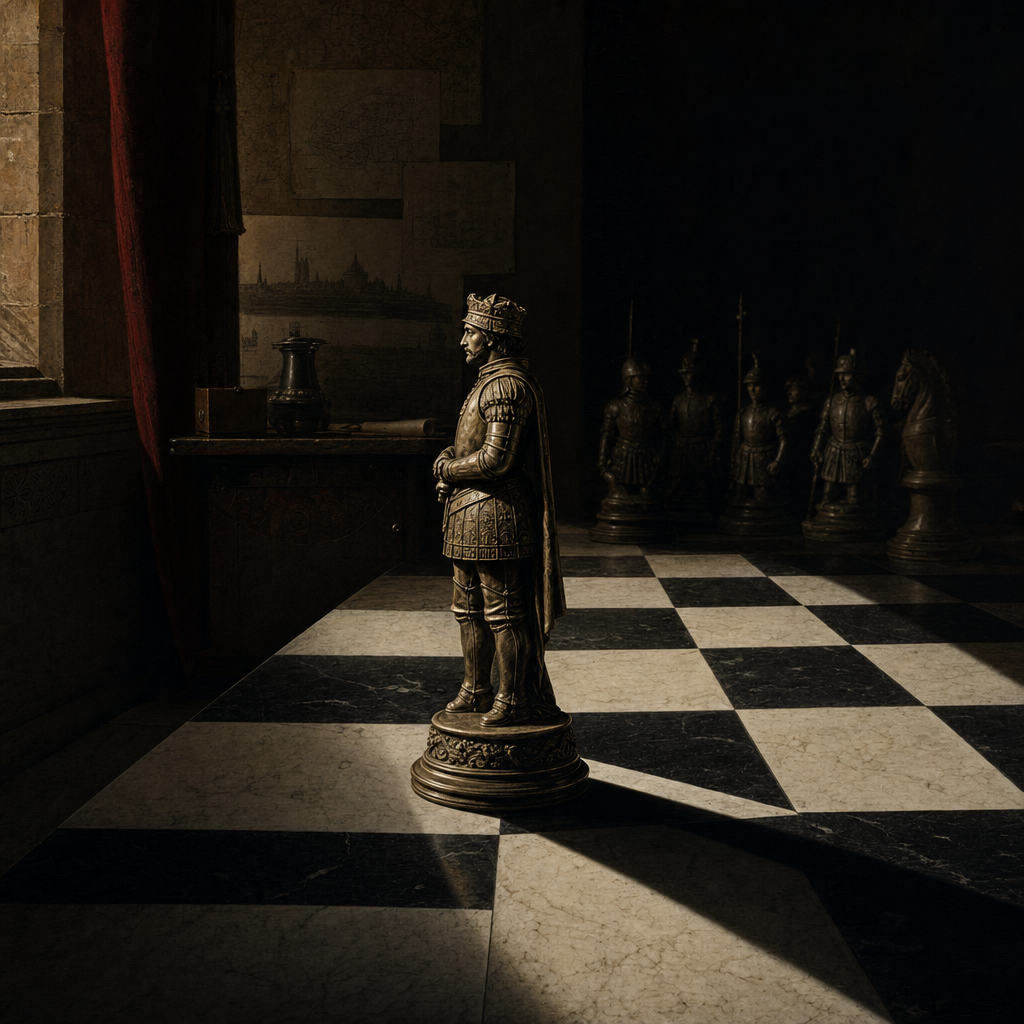
This is not cynicism for its own sake but a structural insight: political perception is inherently theatrical. Leaders who understand this — who cultivate appearances with the same care they give to policy — command more securely than those who trust their real virtues to speak for themselves. The virtuous mask is not fraudulent supplementary to real governance; it is itself a form of governance, the management of belief in a world that can only ever see surfaces.
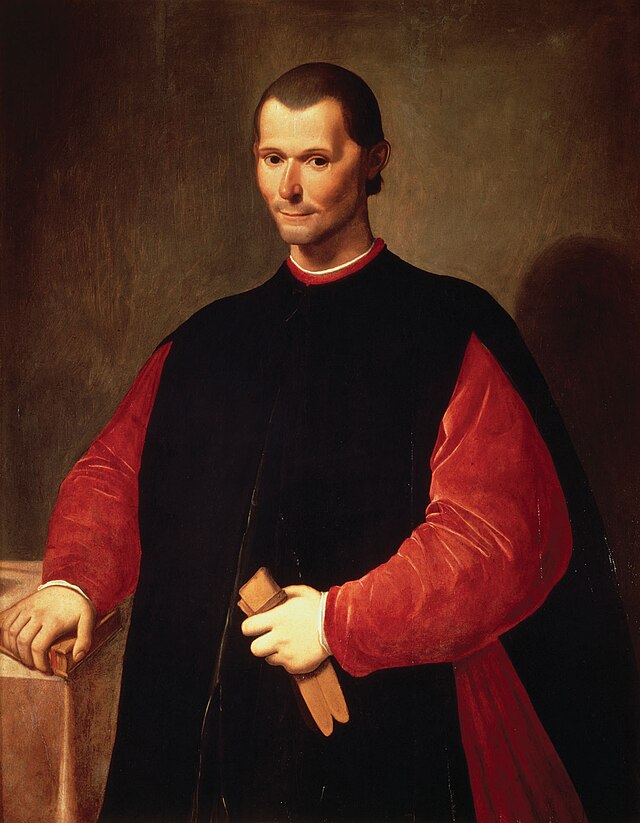
Chapter XVIII is one of the most commented-upon sections of The Prince. The lion-and-fox image derives from Cicero's De Officiis, which Machiavelli deliberately subverts.
Related Concepts