The Problem of Founders
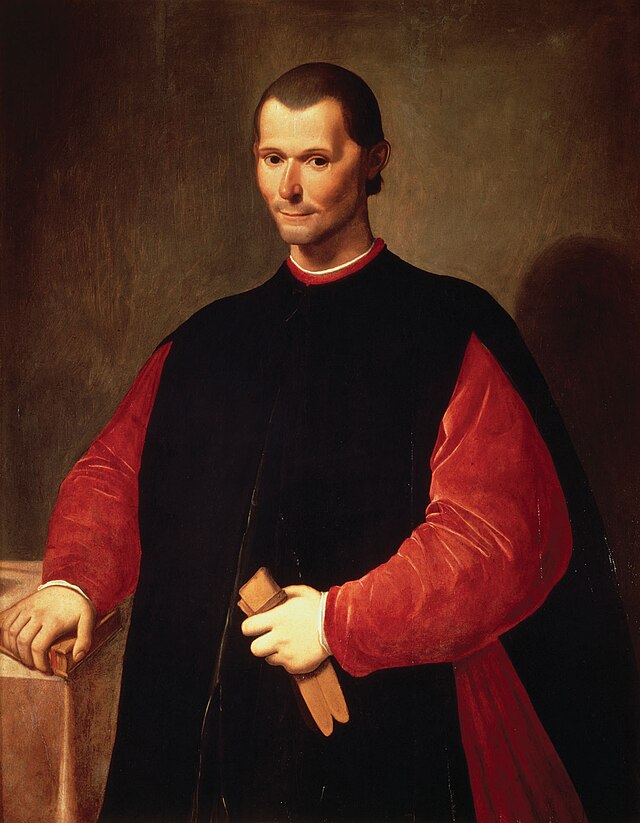
Chapter VI of The Prince addresses a paradox at the heart of political change: the people who most need a new order are precisely those who are most suspicious of it, because they cannot imagine what they have not yet experienced. An innovator who relies on persuasion alone will succeed only while people believe in him — and belief shifts. When the novelty wears off and the promised benefits seem distant, the unarmed prophet is abandoned. Savonarola is Machiavelli's cautionary example: a brilliant preacher who failed the moment his followers lost faith, because he had no weapons to compel them back.
The Innovator's Enemies
there is nothing more difficult to take in hand, more perilous to conduct, or more uncertain in its success, than to take the lead in the introduction of a new order of things, because the innovator has for enemies all those who have done well under the old conditions, and lukewarm defenders in those who may do well under the new.
The asymmetry here is structural: those who stand to lose from change are certain, motivated, and organised. Those who stand to gain are uncertain, unorganised, and unwilling to take risks for benefits they cannot yet see. This is why innovation requires force — not to suppress the people but to hold the enterprise together through the dangerous passage when doubt is highest and benefits are not yet visible.
After the Storm
The armed prophet's violence is not permanent. Once the new order is established, once enemies are "exterminated" or absorbed, the founder begins to be respected and continues powerful, secure, honoured, and happy. Machiavelli does not celebrate violence as an end in itself but as a means of crossing the threshold into a stable new state. The great founders — Moses, Romulus, Cyrus — were remembered as heroes precisely because their use of force was sufficiently decisive to end the period of danger and inaugurate a lasting order.
This analysis was profoundly influential on later revolutionary thought. The idea that transformative political change requires willingness to use force — and that the morality of that force can only be judged by its outcomes — runs directly from The Prince into subsequent theories of revolution. Machiavelli does not endorse tyranny; he describes the physics of political founding.
Chapter VI of The Prince contains the armed-prophets argument. Machiavelli's treatment of Cesare Borgia in Chapter VII is the extended practical case study of these principles applied imperfectly.
Related Concepts