Half to Fortune, Half to Us
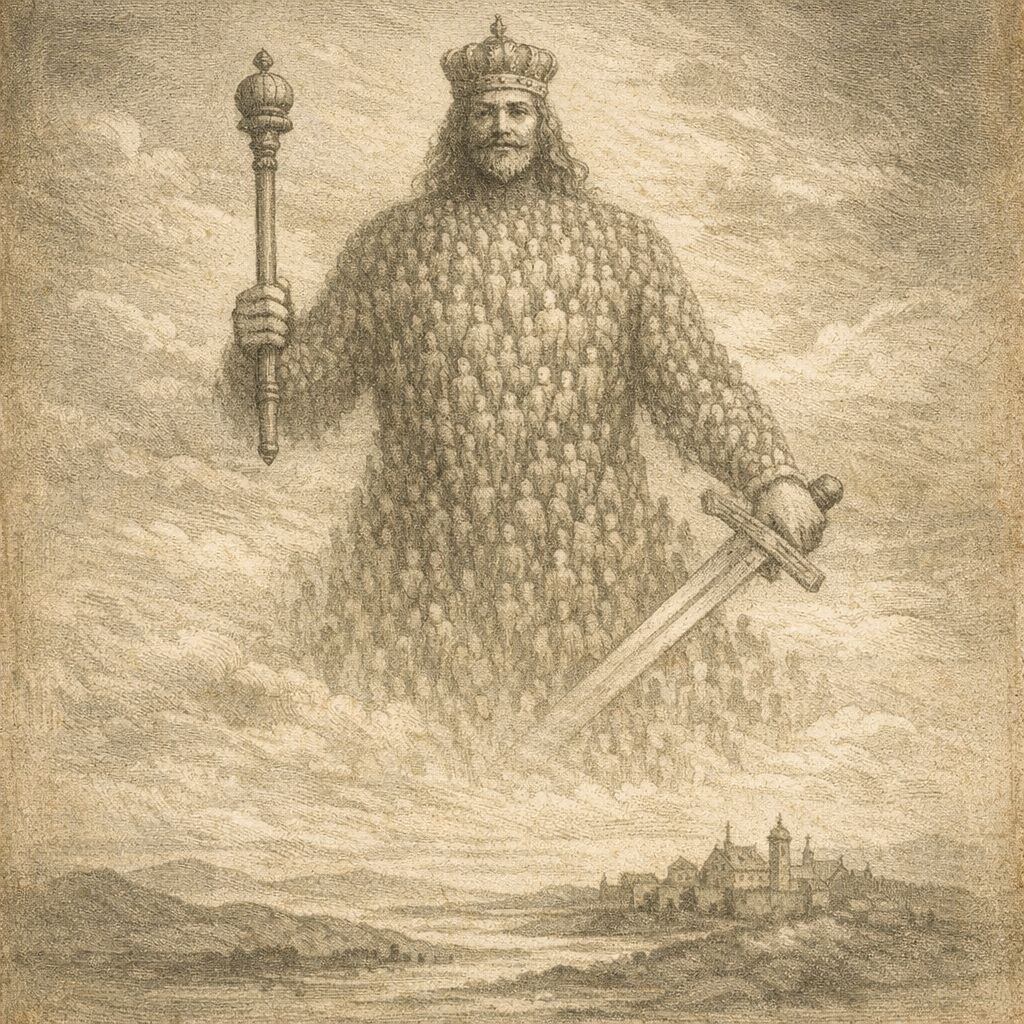
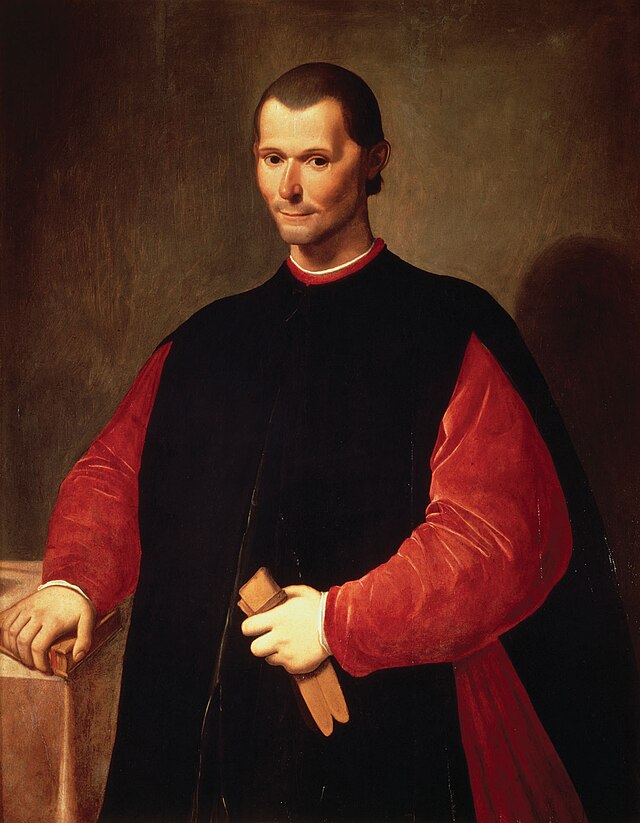
Chapter XXV of The Prince confronts the hardest question: if politics is so unpredictable, if princes rise and fall seemingly without explanation, is human action any use at all? Machiavelli refuses fatalism. Fortune governs perhaps half of human affairs — the floods, the invasions, the sudden deaths and reversals of circumstance that no planning can prevent. But the other half belongs to us. The prince who has prepared his country with defences and institutions when times were good will suffer far less when fortune turns against him.
I compare her to one of those raging rivers, which when in flood overflows the plains, sweeping away trees and buildings, bearing away the soil from place to place; everything flies before it, all yield to its violence, without being able in any way to withstand it; and yet, though its nature be such, it does not follow therefore that men, when the weather becomes fair, shall not make provision, both with defences and barriers, in such a manner that, rising again, the waters may pass away by canal, and their force be neither so unrestrained nor so dangerous.
The Problem of Character
The deeper problem Machiavelli identifies is one of temperament. People tend to act according to fixed characters — the cautious man proceeds cautiously, the impetuous man acts boldly — and fortune rewards each temperament only as long as the times conform to it. When times change, the man who cannot change with them is ruined. Pope Julius II succeeded brilliantly through impetuosity, but had he lived long enough to face a moment that required caution, he would have failed, because impetuosity was his nature and he could not change it.
This creates an impossible demand. Human beings are creatures of habit and character; they cannot instantly reverse their ways when fortune shifts. The prince who has been bold throughout a successful career cannot easily become cautious when boldness stops working. And yet this is precisely what survival requires — a flexibility of character that can match itself to circumstances.
Virtù as Readiness
Virtù in Machiavelli is not moral virtue — it is the composite of energy, skill, adaptability, and willingness to act that enables a prince to seize opportunity when it appears and respond to adversity when it arrives. The great examples — Moses, Romulus, Cyrus — all possessed virtù; they also all met fortune at the right moment, when the conditions were such that virtù could express itself. Fortune provides the occasion; virtù turns the occasion into achievement. Neither alone is sufficient. This is the human condition in Machiavelli's world: partially free, partially determined, and required above all to be ready.
Chapter XXV of The Prince contains the extended discussion of fortune. It should be read alongside Chapter VI on armed prophets, which treats virtù as the capacity to sustain a new order through force.
Related Concepts