The Subject that Cannot Become an Object
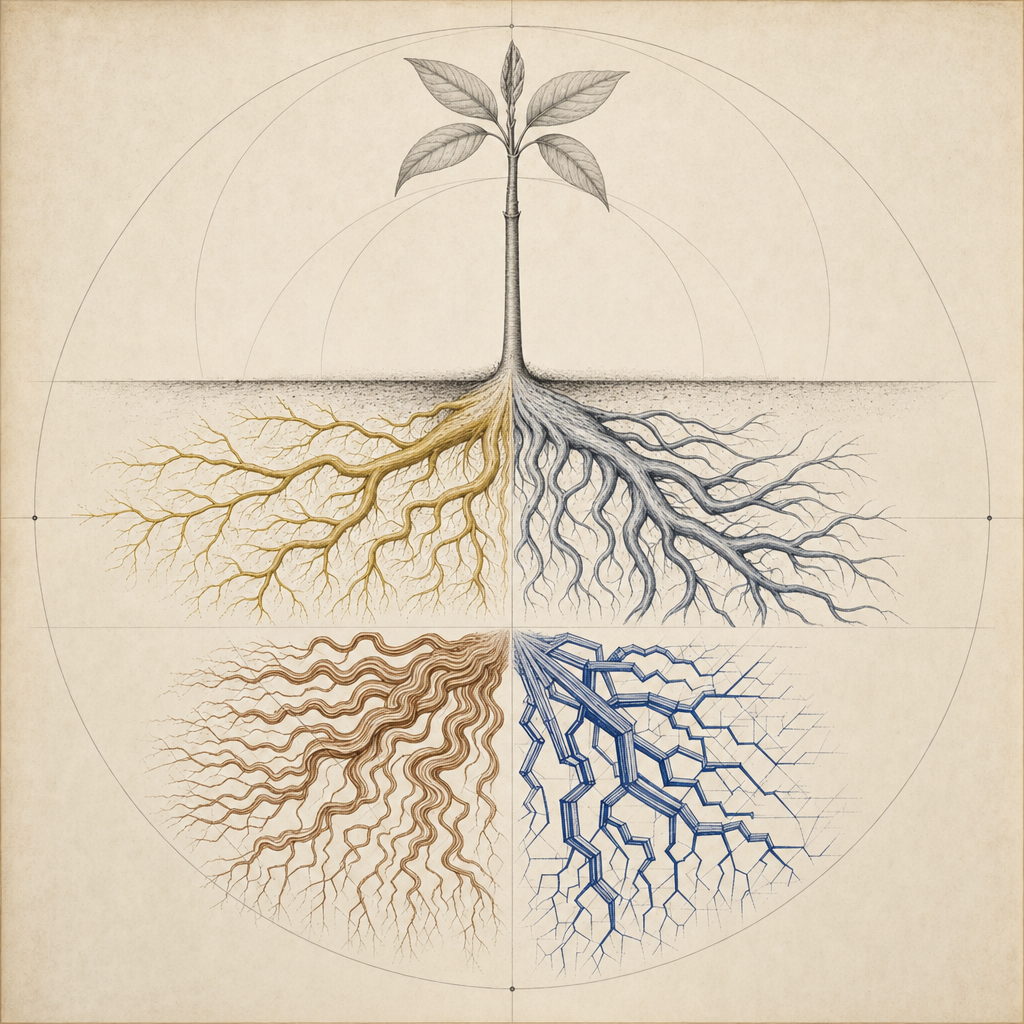
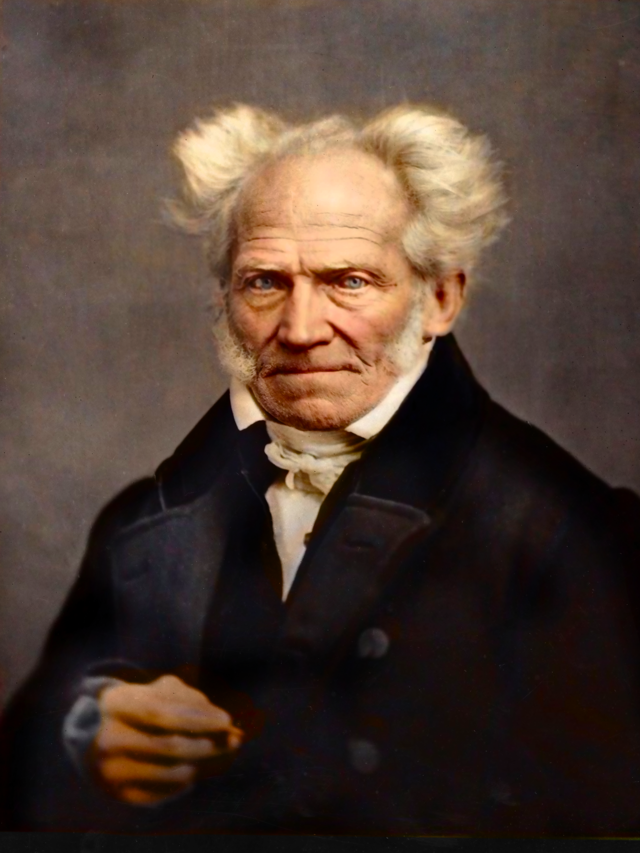
For every object in experience, there is a corresponding knowing subject that cannot itself be objectified. The eye that sees cannot see itself seeing; the mind that knows the world cannot know itself as it knows other things. This is not a contingent limitation that a better instrument might overcome; it is structural. The subject is the condition of all objects and cannot therefore be an object in turn. Schopenhauer uses this point to criticise both materialist and idealist accounts that attempt to locate the subject within the causal or representational order.
The Subject and the Individual
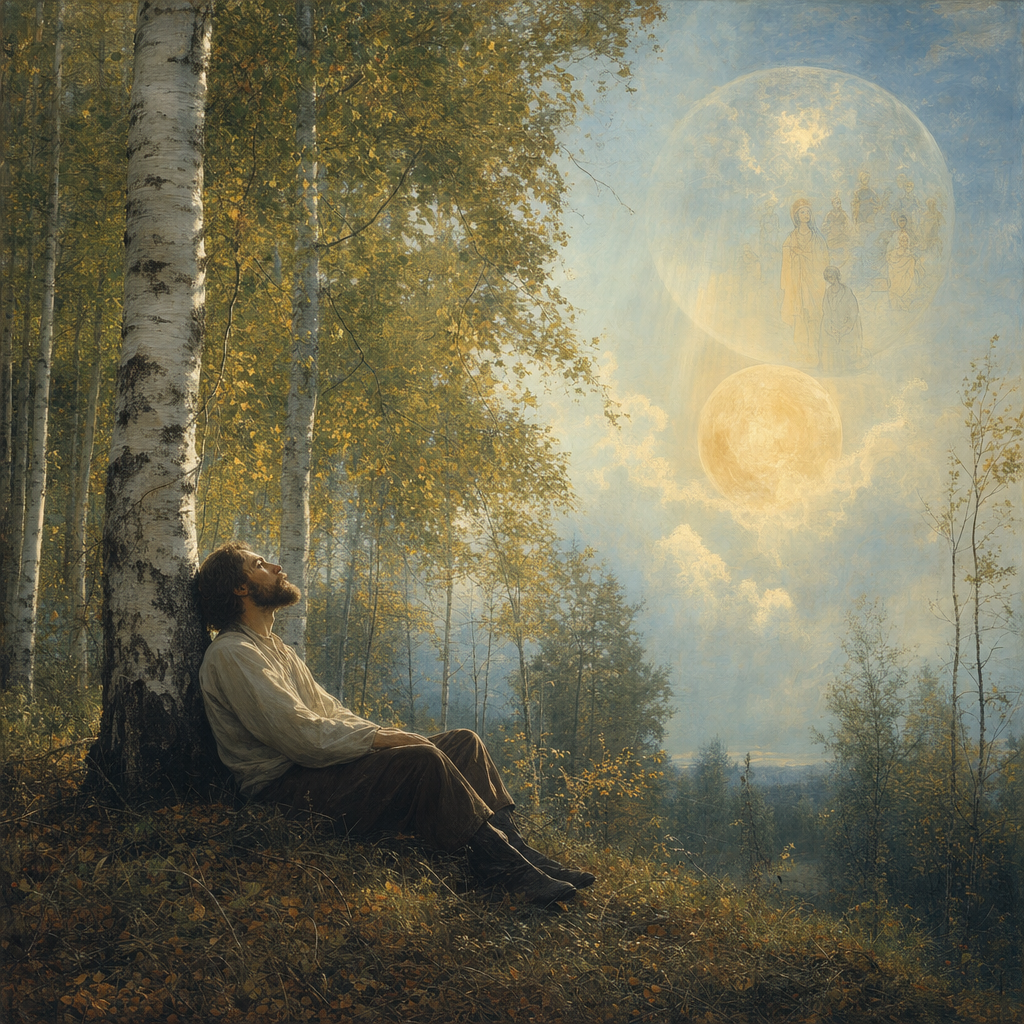
The pure subject of knowing is not the same as the individual human being. The individual — this particular person, with this body, these memories, these desires — is itself an object in the world of representation, known through the forms of the principle of sufficient reason. The pure subject, by contrast, is indivisible, location-less, and eternal in the sense that time cannot apply to it. Yet this subject is, somehow, instantiated in the individual. How the timeless subject of knowledge relates to the embodied, willing individual is not a problem Schopenhauer fully resolves — it resurfaces, transformed, in his doctrine of the genius in aesthetic contemplation, where the individual briefly becomes the pure subject by losing themselves entirely in perception.
The subject of knowing is introduced in §2 of the Fourfold Root and discussed throughout Book One of The World as Will and Representation (§§1–7). Its relation to will and individuality is explored most fully in Book Three (aesthetic contemplation) and Book Four (denial of the will).
Related Concepts