Reverence Rightly Placed
Burke had made extensive use of the language of reverence and the sacred to defend inherited institutions. The English constitution, he argued, inspired a kind of awe and filial piety that rational critique could only diminish. Wollstonecraft accepts the language of the sacred but relocates its object entirely. It is not the constitution that is sacred — it is the rights of rational creatures, which the constitution may honour or may violate.
I reverence the rights of men.—Sacred rights! for which I acquire a more profound respect, the more I look into my own mind; and, professing these heterodox opinions, I still preserve my bowels; my heart is human, beats quick with human sympathies—and I FEAR God!
The Sacred and the Human
What makes Wollstonecraft's use of sacred language striking is that she grounds it not in ecclesiastical authority but in personal moral experience. The deeper she looks into her own mind, she says, the more her respect for natural rights grows. This is not superstition or traditional piety; it is rational self-examination issuing in moral conviction. The sacred rights of men are sacred because reason discovers them to be foundational — not because any church or state has sanctified them.
Heterodox Opinions and Human Sympathies
The passage is also notable for its combination of intellectual boldness and emotional claim. Wollstonecraft knows her opinions are heterodox — challenging Burke was challenging the dominant conservative culture of the 1790s. But she insists that her heterodoxy does not make her cold or inhuman; her heart beats quick with human sympathies. Reason and feeling are not opposites in her account; reason clarifies what feeling should properly be directed toward.
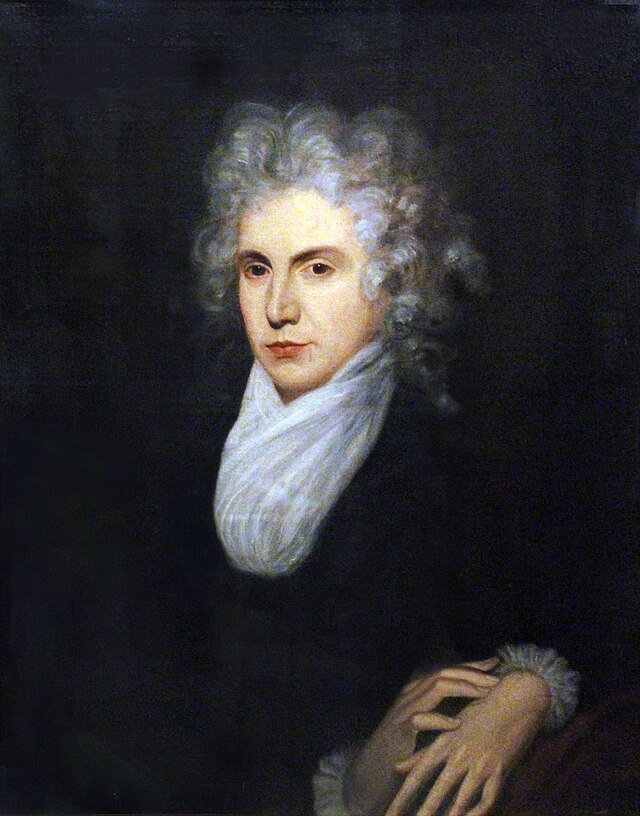
The 'sacred rights' passage appears in the Rights of Men (1790). The book was published anonymously in its first edition; Wollstonecraft added her name to the second, identifying herself publicly as one of the first women to enter the pamphlet debate over the French Revolution.
Related Concepts