The Defence Against Plato
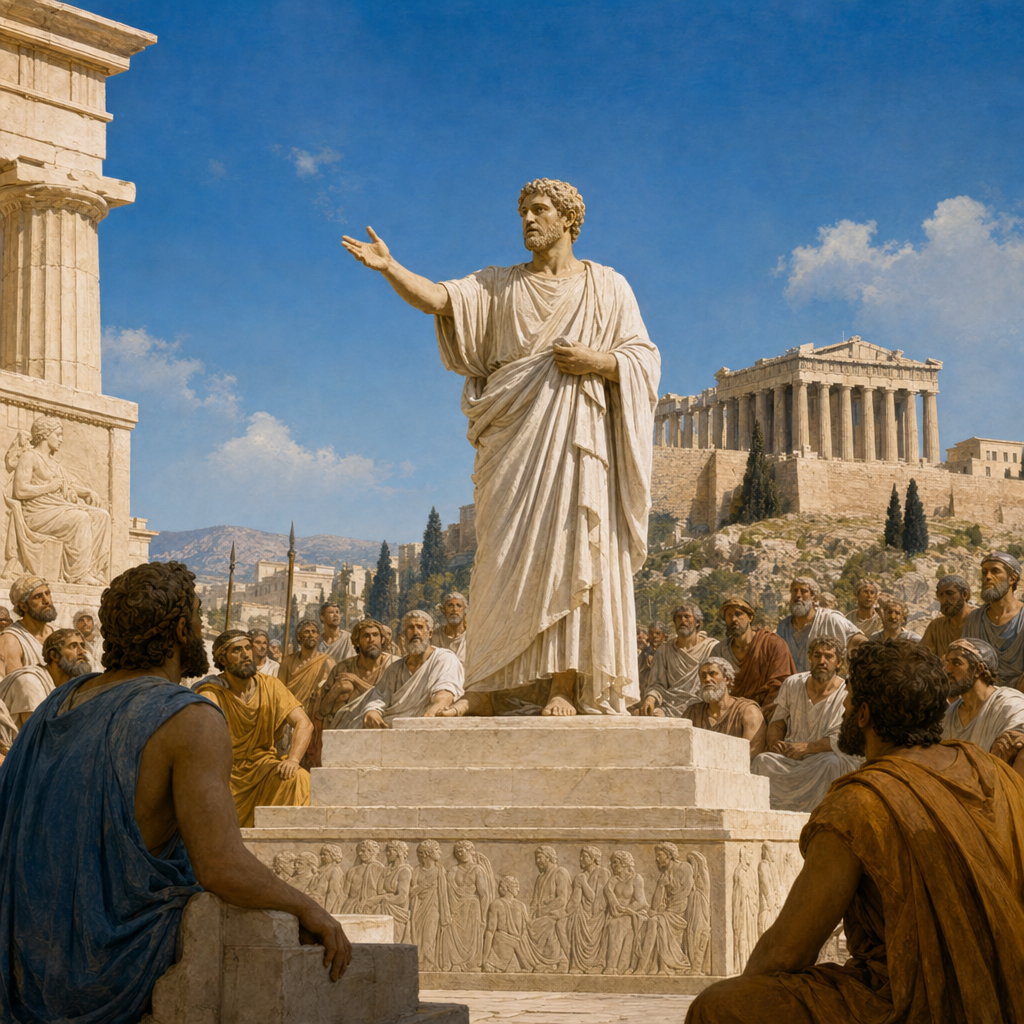
Plato's Gorgias argued that rhetoric merely produces belief without knowledge, serving the desires of the audience rather than their genuine good. Aristotle grants that rhetoric can be misused — so can medicine, so can philosophy. This does not make rhetoric an inherently corrupt art but rather a powerful one that demands ethical constraints. The answer to the abuse of rhetoric is not its abolition but a theory of rhetoric that connects it to truth and goodness — which is what the Rhetoric provides.
Rhetoric and Deliberation
Rhetoric is the counterpart of dialectic — both deal with probable reasoning, accessible to all rational persons, rather than the specialised demonstrations of science. Deliberative rhetoric — the speech that advises an assembly on what to do — is the most important kind: it bears on the happiness and wellbeing of the entire community. Good deliberative rhetoric requires knowledge of human nature, of what is genuinely beneficial, and of the likely consequences of different policies. The rhetorician who reasons well about the common good is not opposed to the philosopher or the statesman but works alongside them.
Truth Has an Advantage
Aristotle observes that truth and justice are by nature stronger than their opposites. A speaker arguing for what is true and right has an inherent advantage over one arguing for the false and the unjust — because the true is easier to defend, more consistent, and more satisfying to a reasonable audience. This is why good rhetoric, fully practised, converges on honest persuasion rather than manipulation. The skilled rhetorician does not need to deceive, because the truth, properly presented, is already persuasive. Rhetoric at its best is truth delivered effectively.
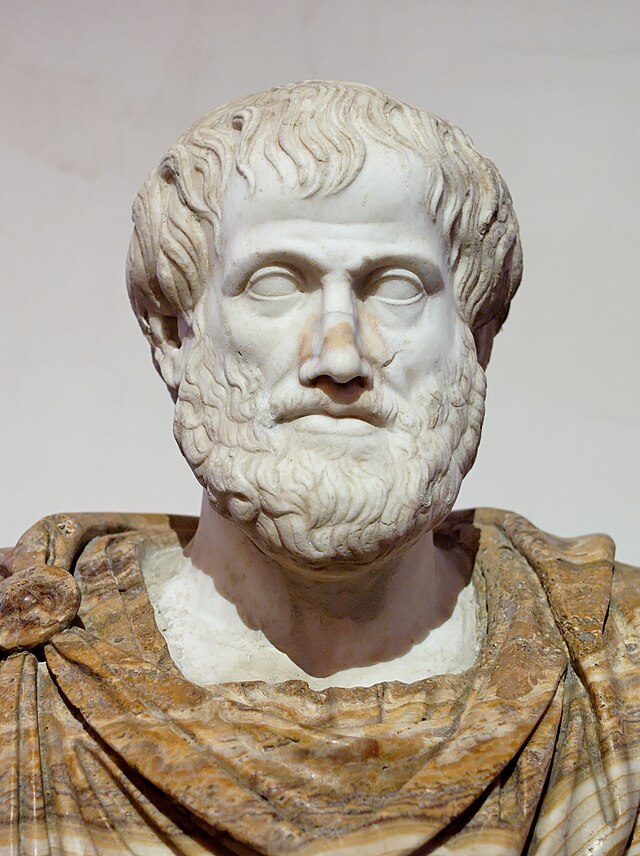
Aristotle's defence of rhetoric against Platonic criticism runs throughout Rhetoric I.1. His tripartite division of rhetoric into deliberative (political), forensic (legal), and epideictic (ceremonial) genres in I.3 became the standard framework for the entire Western rhetorical tradition. Cicero and Quintilian both built directly on Aristotelian foundations.
Related Concepts