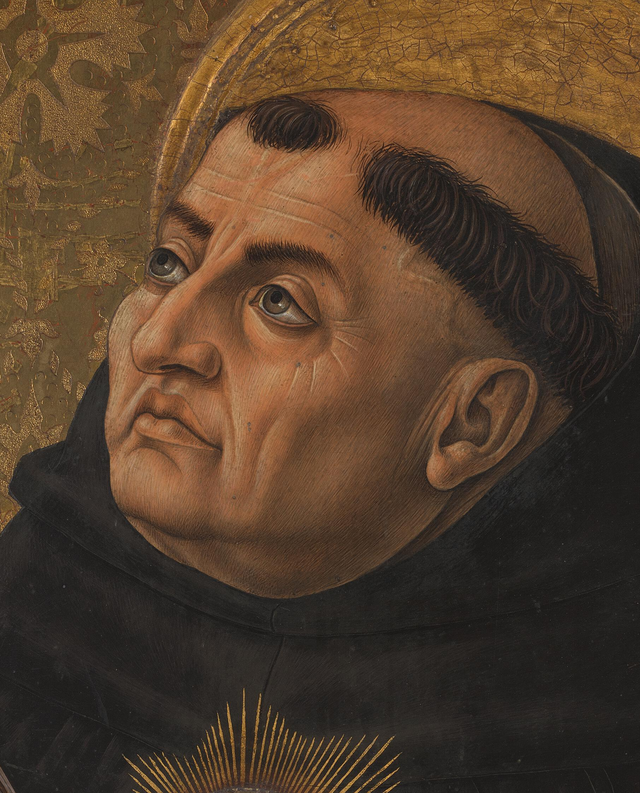
Two Orders of Knowledge
Some truths about God are accessible to natural reason: that God exists, that God is one, that God is eternal and unchanging. These are the preambles of faith — truths that faith asserts but reason can also demonstrate. Other truths — the Trinity, the Incarnation, the resurrection of the body — exceed reason's natural capacity and are known only through divine revelation. Faith does not replace reason in the first domain; it supplements and elevates it in the second.
Against the Double Truth
Aquinas firmly rejects the notion that something could be true in theology and false in philosophy, or vice versa. If a philosophical conclusion appears to contradict a doctrine of faith, one of two things follows: either the philosophical argument is flawed and must be examined more carefully, or the theological interpretation is mistaken. Since both reason and faith are given by the same God, and since truth is one, apparent contradictions are to be resolved, not accepted. This makes Aquinas a committed rationalist within his theological project.
The Credibility of Faith
Faith is not irrational because it concerns what exceeds demonstration. Aquinas argues that it is reasonable to assent to revealed truths on the authority of God, who cannot deceive, especially when rational grounds exist for thinking divine revelation has occurred — prophecies fulfilled, miracles performed, the rapid spread of a counter-intuitive teaching. The motives of credibility do not prove the content of faith but show that accepting it is not a leap in the dark. Faith is a form of intellectual assent, not a suspension of intellect.
Book I of the Summa Contra Gentiles contains the fullest statement of Aquinas's methodology and his account of the two orders of knowledge. The work as a whole is addressed, he says, to "the instruction of those who are beginning."
Related Concepts