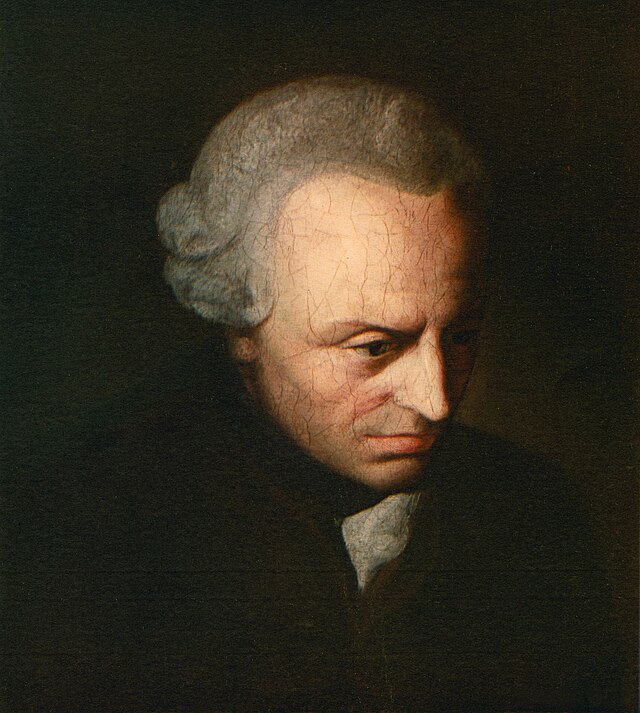
Religion as Morality
Pure rational religion, for Kant, consists entirely in the disposition to do one's moral duty from duty. Religion adds to morality only the thought that duty is God's command — but this adds no new obligations, merely a framing. The morally good person is already, in the rational sense, religious; genuine piety cannot be separated from moral virtue.
The Role of Historical Faith
Ecclesiastical faith — Christianity, Islam, Judaism — provides historical vehicles through which rational religion reaches particular human communities. Kant does not dismiss these traditions; he treats their scriptures and doctrines as parables and symbols of moral truths. The task of enlightened religion is to interpret historical faiths in terms of their rational moral content, gradually subordinating ceremony to genuine moral culture.
The Invisible and Visible Church
Kant distinguishes the 'invisible church' — the ideal community of all morally good persons united by the spirit of rational religion — from the 'visible church,' the historical institutions through which people approach this ideal. The visible church is a necessary scaffold; the invisible church is the goal. Progress in religion is progress toward the invisible church, toward a community in which moral virtue replaces statutory observance.
This distinction structures Books Two and Three of Religion within the Bounds of Bare Reason.
Related Concepts