Virtue Cannot Be Assumed
A republic depends on its citizens willing the common good. But this willingness is not given by nature. Human beings are naturally self-interested, and the pressures of social life — comparison, competition, vanity — intensify rather than dissolve this. Left to their own devices, citizens will pursue private advantage at the expense of the public good. The remedy is not law alone: law can constrain, but only education can transform.
I know of but three peoples which once practised public education, the Cretans, the Lacedæmonians, and the ancient Persians: among all these it was attended with the greatest success, and indeed it did wonders among the two last.
The Goal: Love of Country
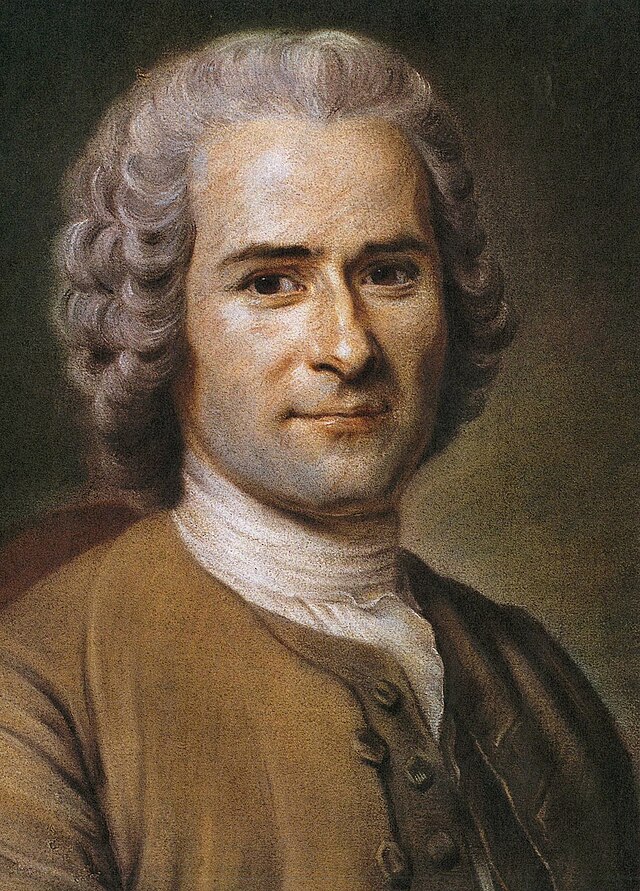
Rousseau's vision of civic education is not simply instruction in laws and rights. Its goal is the formation of patriotism — the genuine love of one's country as the community that sustains and enriches one's life. The citizen who loves their country is not obedient from fear or calculation; they serve it because its flourishing is bound up with their own. Patriotism, properly formed, is the solution to the free-rider problem that always threatens political cooperation.
Education as the Deepest Politics
Rousseau anticipates later republican thinkers in arguing that the deepest political decisions are not made in legislatures but in schools and families. How children are raised, what they are taught to love and to fear, what picture of themselves and their society they internalise — these determine the character of a people more than any constitution. A government that neglects public education undermines the very foundations on which its authority rests.
Public education is discussed in the Discourse on Political Economy (1755). G.D.H. Cole translation, 1913.
Related Concepts