Against the Myth of Progress
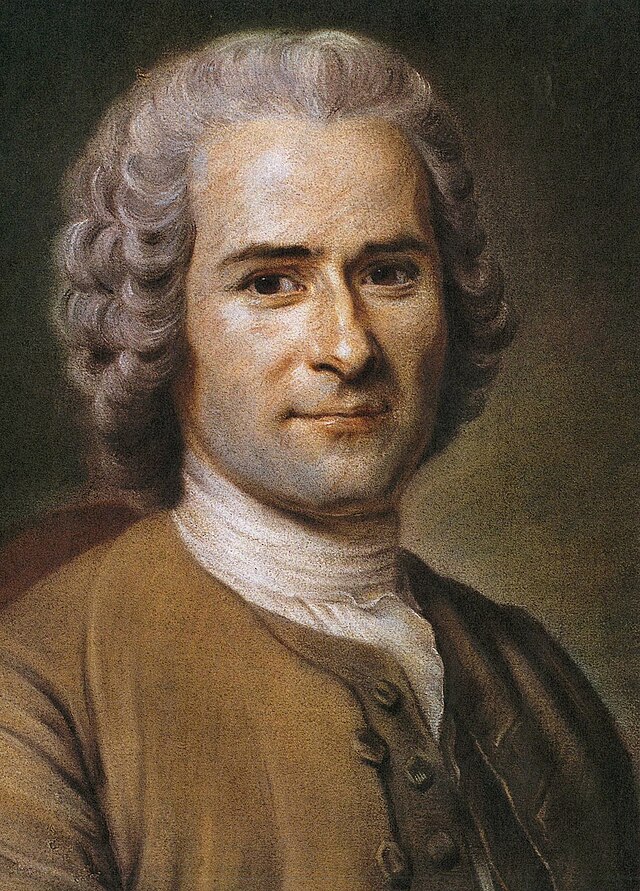
The eighteenth century believed in progress. The philosophes of the Enlightenment held that the spread of knowledge, art, and refined taste would produce better people and better societies. Rousseau, a member of the same intellectual world, submitted his Dijon essay as a direct challenge to this assumption. Progress of the mind, he argued, is accompanied by regression of the heart.
Before art had moulded our behaviour, and taught our passions to speak an artificial language, our morals were rude but natural; and the different ways in which we behaved proclaimed at the first glance the difference of our dispositions.
The Mask of Politeness
Cultivated society has produced a gap between appearance and reality — between what people seem and what they are. Politeness, wit, and taste become masks for selfishness and ambition. The ancient world could tell immediately who was virtuous and who was not; modern refinement makes such discrimination impossible. We have traded moral transparency for social performance.
Virtue Requires Ignorance
Rousseau's most provocative claim is that the nations most celebrated for their virtue — Sparta, early Rome, the Persians — were precisely those that resisted or rejected intellectual cultivation. The examples of Socrates and Cato, who both attacked the arts and sciences of their day, confirm that the wisest men have always been suspicious of learning as a path to virtue. True virtue is active, physical, and moral — not cerebral and aesthetic.
External ornaments are no less foreign to virtue, which is the strength and activity of the mind. The honest man is an athlete, who loves to wrestle stark naked; he scorns all those vile trappings, which prevent the exertion of his strength, and were, for the most part, invented only to conceal some deformity.
The Discourse on the Arts and Sciences (1750) won first prize at the Academy of Dijon. G.D.H. Cole translation, 1913.
Related Concepts