The Intellectual Versus the Imaginative
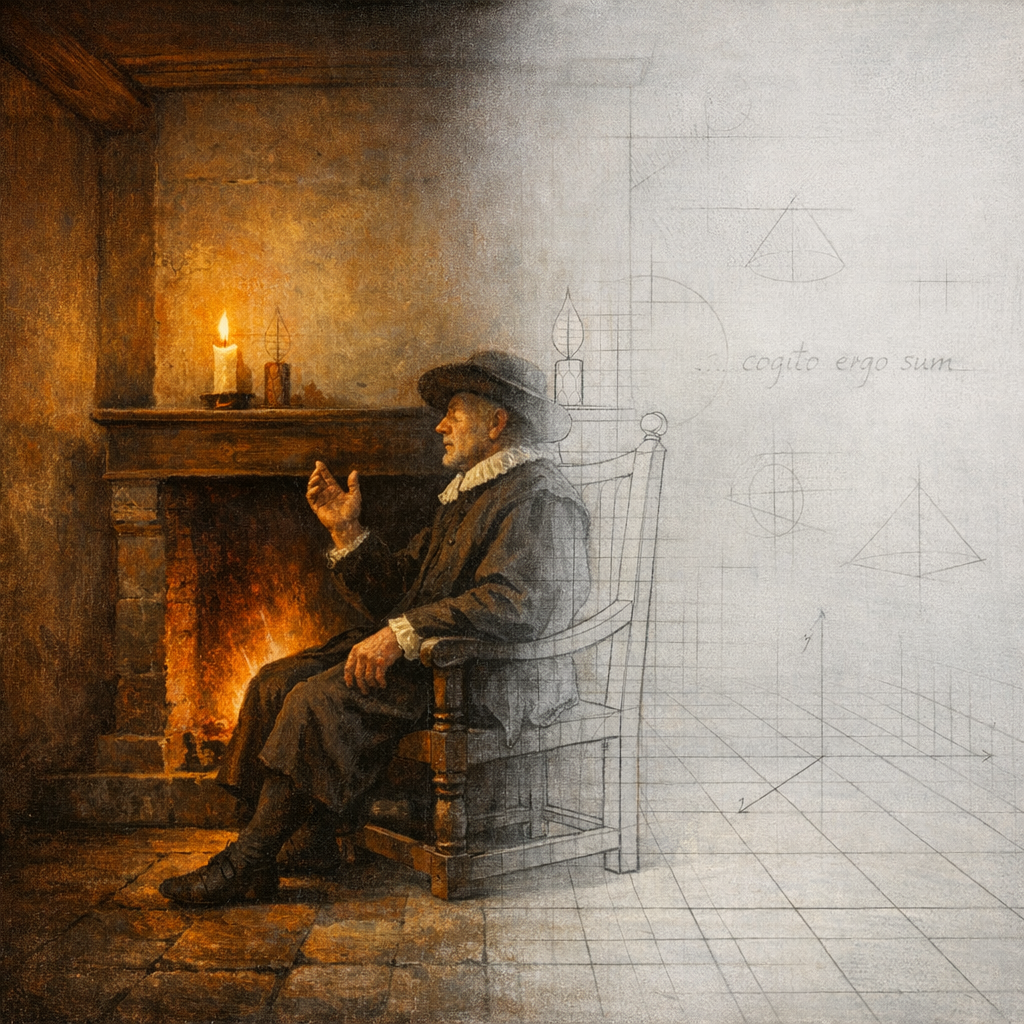
In Spinoza's system, knowledge divides into three kinds: imagination (confused, inadequate ideas derived from sense experience and testimony), reason (clear and adequate ideas derived from common notions and the power of the intellect), and intuition (the highest form of rational knowledge, grasping things in their eternal necessity). Prophecy operates through imagination, not reason. This is not a dismissal of the prophets but an accurate characterisation of how divine communication worked: God accommodated the eternal truths to the capacity of each prophet, using images, symbols, and language that would be intelligible to their specific audience.
Prophets as Moral Exemplars
What the prophets had that philosophers did not was not superior rational understanding but superior moral virtue and imaginative vividness. They had intense convictions about practical morality — justice, mercy, charity — and the capacity to communicate these convictions in images and narratives that moved whole peoples to obedience and devotion. Their authority in the domain of moral practice is genuine and grounded in this: they correctly perceived that God's nature requires human beings to love one another and to pursue justice. But this moral authority does not extend to natural philosophy, cosmology, or historical accuracy. When the prophets speak about the sun standing still or the earth being created in six days, they speak in the language of imagination, not the language of science.
Practical Consequences
The practical consequence of Spinoza's analysis is a strict separation between theology and philosophy. Theology's business is piety and obedience: it asks what mode of life God requires. Philosophy's business is truth: it asks what is actually the case about nature, the mind, and the divine attributes. Since they address different questions, neither can overrule the other. The theologian has no authority to tell the philosopher what to believe about physics or metaphysics; the philosopher has no authority to tell the congregation that the prophets were confused about God's love. This separation is the theoretical foundation of the secular state and of academic freedom in the modern university.
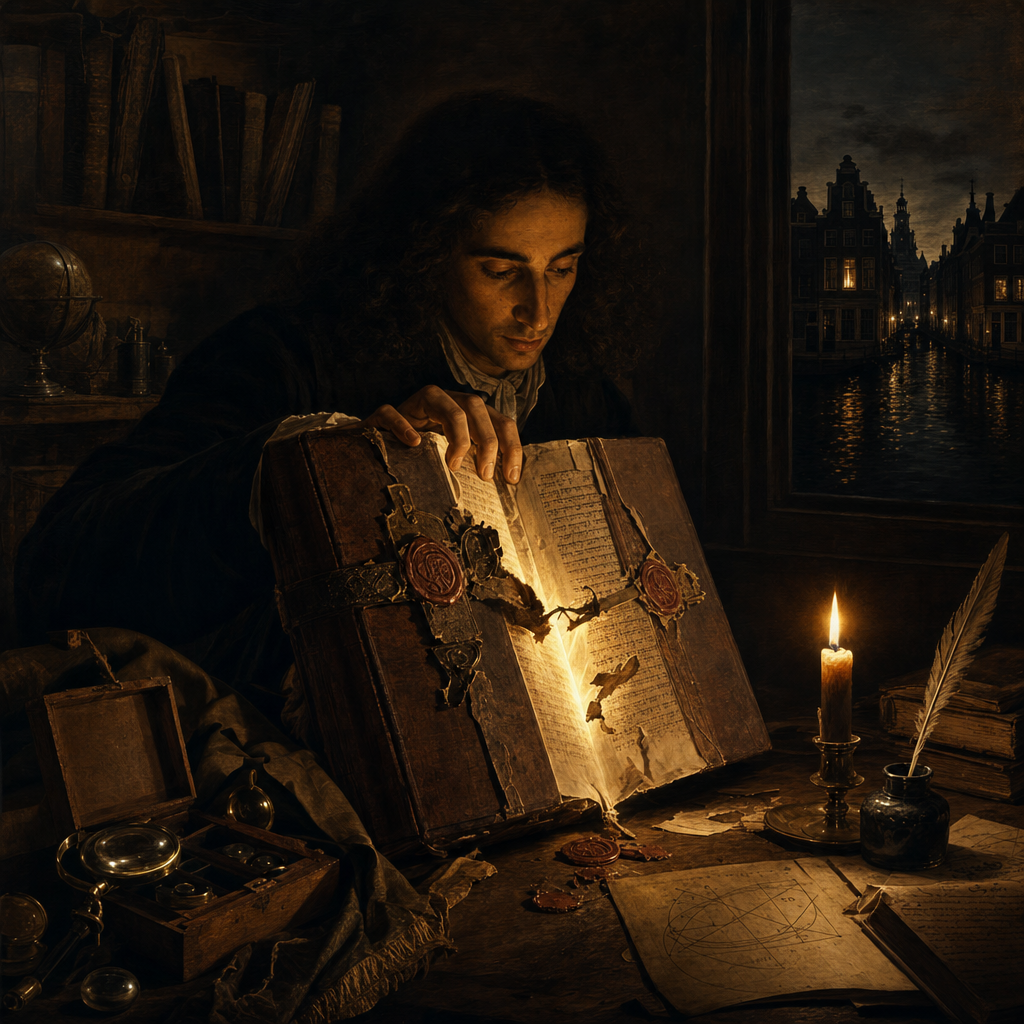
The analysis of prophecy occupies the first seven chapters of the Theological-Political Treatise and draws on Spinoza's general epistemology, developed more fully in the Ethics. The distinction between imagination and intellect as modes of cognition is one of the most consistent features of Spinoza's thought, present in all his major works from the early Treatise on the Emendation of the Intellect onward.
Related Concepts